1st on the list, which puts it at an estimated 10–40% of the formula.
1,3-dihydroxypropane
Hydration
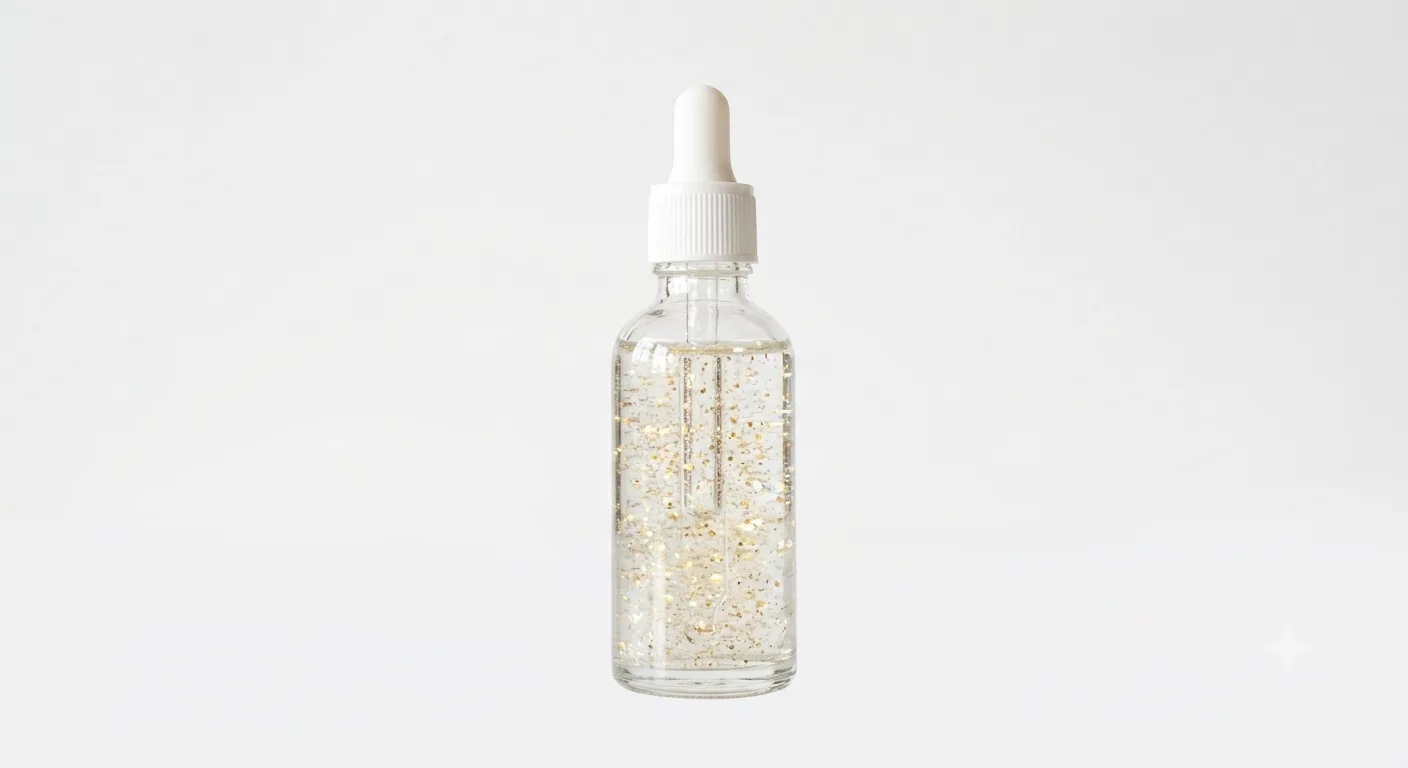
The Ordinary
Pycnogenol 5%
face serum
The Ordinary
face serum
Added Last edited
Fit by skin type
General, ingredient-based — not your personalized match.

See how this fits your skin
Take the skin test and I'll show you how suitable this product is for you.
Take the skin testA serum that works to nurture the skin with the aim of enhancing hydration and improving the appearance of skin’s elasticity
Pycnogenol 5% is a watery-light serum from The Ordinary, a brand based in Canada.
By its ingredient list the formula reads as very light — essentially a water-and-humectant base with little emollient weight. With almost no emollient load it should absorb quickly and finish close to matte.
Hydration: Moderate. Ingredients that pull and hold water in the upper layers of skin, and here that comes from Propanediol.
On richness alone it suits Combination (oily) and Oily skin best, and is the least natural fit for Dry and Combination (dry) skin. Nothing in the list is flagged as a common irritant, which is a reasonable starting point for reactive skin — though a patch test is still the only way to know.
The formula contributes little or nothing on barrier support, antioxidant protection, oil control and brightening and tone. That is not a fault — most products are not meant to do everything — but if one of those is your priority, this is not the product that will address it.
Reading the full list, the formula is fragrance-free, essential-oil-free, no drying alcohol, paraben-free, silicone-free and microplastic-free. Those claims come from the ingredient list itself, not from the packaging.
It can be used morning and evening. In a routine it goes after toner, before moisturiser. Apply to clean, dry skin and give it a minute to absorb before the next layer. Introduce one new treatment at a time so you can identify what is working.
This summary is generated from the product's ingredient list. It is not a review, it is not the brand's own marketing claims, and it does not replace advice from a dermatologist.
Drawn purely from the ingredient list
Scored on how rich or light the formula reads from its INCI order.
No ingredient in this formula carries a common-irritant flag, making it a reasonable option for reactive skin. A patch test is still recommended, as individual skin reactivity varies.
Based on the curated benefits documented for this product's ingredients.
Attracts and locks in moisture to keep skin plump and dewy
None of the ingredients in this formula are associated with these benefits. This is not unusual, as most products are designed to target a limited number of concerns.
The actives, UV filters and benefit-carrying ingredients in this formula, in the order they are listed.
1st on the list, which puts it at an estimated 10–40% of the formula.
1,3-dihydroxypropane
Each axis is scored from the ingredients present and how high up the list they sit.
Ingredients that pull and hold water in the upper layers of skin
Lipids and repair signals that support skin barrier integrity
Ingredients that mop up free radicals from UV and pollution
Ingredients that moderate sebum or absorb shine
Ingredients that act on uneven tone and post-inflammatory marks
Ingredients aimed at visible redness and reactivity
Retinoids, acids and enzymes that speed surface turnover
Peptides and growth factors that signal for collagen support
Read from the full ingredient list. A brand's own claim may differ.
Judged by the same curated rules our routine checker uses. It reads the ingredients, not the label.
Nothing in this formula belongs to a group our rules can put in conflict, so it layers freely. Order still matters — thinnest texture first.
This product is the "Treat" step.
Flags to check, not verdicts. None of this is medical advice — if you are pregnant, breastfeeding or treating a skin condition, ask a doctor.
Most ingredients do more than one job, so these counts add up to more than the 2 ingredients on the label.
Neutralises free radicals from UV and pollution
Botanical material, usually for antioxidants or scent
Dissolves and carries everything else
Sets the thickness, spread and stability of the formula
Every ingredient on the label, in order, with what it does and roughly how much of it is likely to be there.
1st on the list, which puts it at an estimated 10–40% of the formula.
1,3-dihydroxypropane
2nd on the list, which puts it at an estimated 5–20% of the formula.
Pinus Pinaster Bark Extract is the extract of the bark of the Maritime Pine, Pinus pinaster, Pinaceae
PROPANEDIOL, PINUS PINASTER BARK EXTRACT.
-Apply alone or after water-based serums and before oils or heavier creams. -Alternatively, mix with other treatments to significantly enhance their antioxidant capacity. Precautions: -If irritation occurs, cease use and consult a physician -Use only as directed on unbroken skin. -Patch testing prior to use is advised. -Refer to The Ordinary’s in-depth guide to patch testing. -Keep out of reach of children.
Judged on how rich the formula reads from its ingredient list, it suits Combination (oily), Oily skin best. It is the least natural fit for Dry, Combination (dry) skin.
No ingredient in this formula carries a common-irritant flag, making it a reasonable option for reactive skin. A patch test is still recommended, as individual skin reactivity varies.
No ingredient in this formula is a recognised food source for malassezia, the yeast behind fungal acne.
Nothing in this formula is on the standard pregnancy-caution list. That is not medical clearance — check anything you use daily with your doctor or midwife.
Yes. Reading the full ingredient list, this formula is fragrance-free.
No. Reading the full ingredient list, this formula is no drying alcohol.
Yes. Reading the full ingredient list, this formula is silicone-free.
No. Reading the full ingredient list, this formula is essential-oil-free.
Yes. Reading the full ingredient list, this formula is paraben-free.
It layers well with Vitamin C (L-ascorbic acid), Retinoids (retinol, retinal), AHAs (glycolic, lactic), BHA (salicylic acid), PHAs (gluconolactone), Benzoyl peroxide.
Use it morning and evening, after toner, before moisturiser.
It lists 2 ingredients, of which 0 are recorded as actives.
The Ordinary, a brand based in Canada.
We can't find the internet
Attempting to reconnect
Something went wrong!
Attempting to reconnect