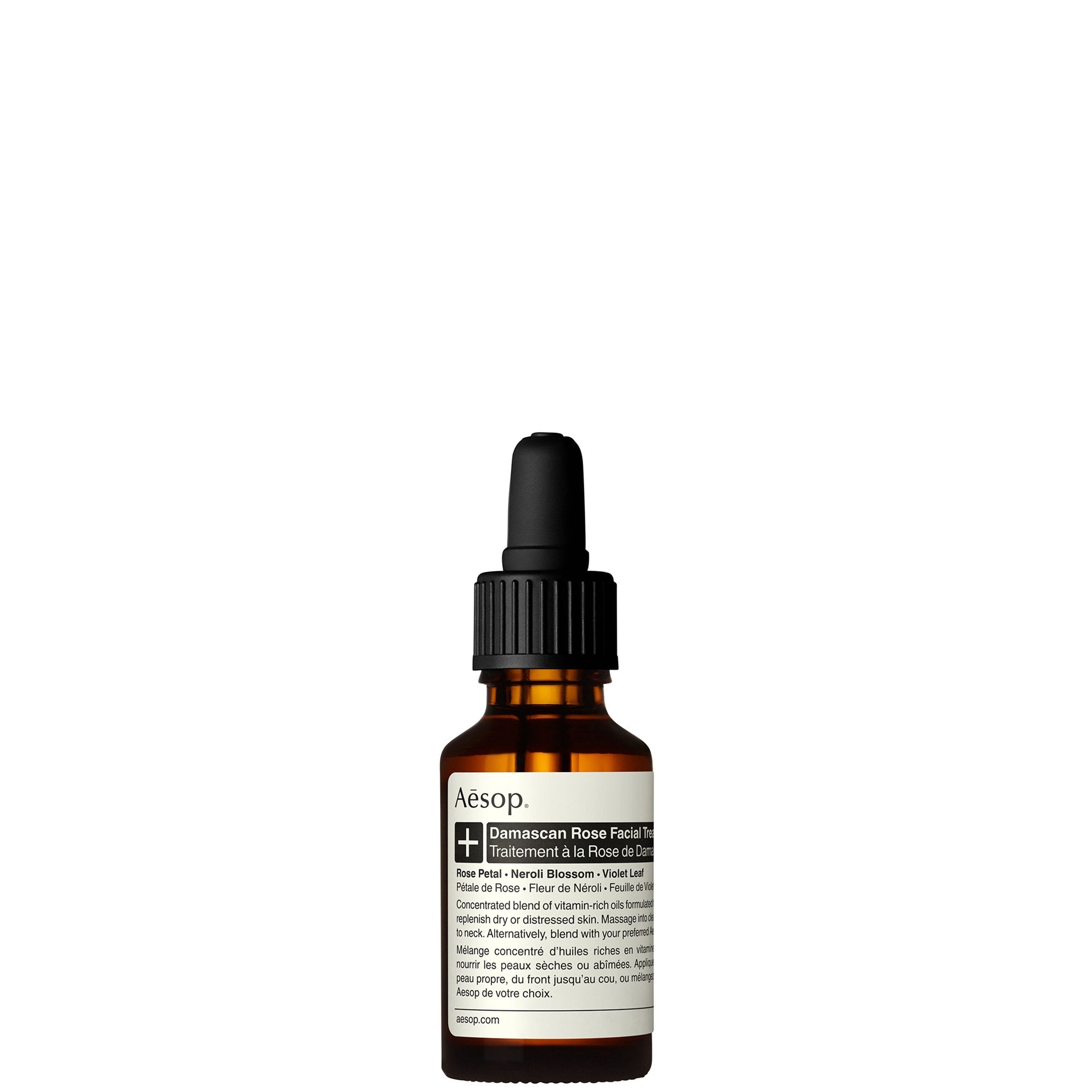
-
Estimated level
- 10–40%
-
Confidence
- Moderate — INCI order above the 1% line
-
Roles
-
Emollient
1st on the list, which puts it at an estimated 10–40% of the formula.
Camellia Japonica Seed Oil is the fixed oil expressed from the seeds of the Camellia, Camellia japonica L., Theaceae
-
Estimated level
- 5–20%
-
Confidence
- Moderate — INCI order above the 1% line
-
Roles
-
Emollient
2nd on the list, which puts it at an estimated 5–20% of the formula.
Oenothera Biennis Oil is the fixed oil derived from the seeds of the Evening Primrose, Oenothera biennis, Onagraceae
Hydration
Anti-Aging
Soothing
2 scientific references
- Journal of Pharmaceutical Sciences, January 2016, pages 188-193
- Annals of Dermatology, December 2014, pages 706-712
-
Estimated level
- 5–20%
-
Confidence
- Moderate — INCI order above the 1% line
3rd on the list, which puts it at an estimated 5–20% of the formula.
Prunus Amygdalus Dulcis Oil is the fixed oil obtained from the ripe seed kernel of the Sweet Almond Tree, Prunus amygdalus var. dulcis, Rosaceae
-
Estimated level
- 2–10%
-
Confidence
- Moderate — INCI order above the 1% line
-
Roles
-
Emollient
4th on the list, which puts it at an estimated 2–10% of the formula.
Rosa Canina Fruit Oil is an oil from the Hip Rose, Rosa canina L., Rosaceae
Hydration
Anti-Aging
5 scientific references
- Fresenius Environmental Bulletin, 2018, pages 744-748
- International Journal of Molecular Sciences, June 2017, pages 1–37
- International Journal of Toxicology, 2017, pages 51S-129S
- African Journal of Biotechnology, May 2010, pages 2, 709-2, 716
- Czech Journal of Food Science, 2009, pages 178-184
-
Estimated level
- 2–10%
-
Confidence
- Moderate — INCI order above the 1% line
-
Roles
-
Emollient
5th on the list, which puts it at an estimated 2–10% of the formula.
Oryza Sativa Bran Oil is the fixed oil expressed from the bran of the Rice, Oryza sativa L., Poaceae. It consists primarily of the glycerides of the fatty acids linoleic, oleic, palmetic and stearic
-
Estimated level
- 2–10%
-
Confidence
- Moderate — INCI order above the 1% line
-
Roles
-
Emollient
6th on the list, which puts it at an estimated 2–10% of the formula.
Glycine Soja Oil is the oil obtained from the soybean, Glycine soja, Leguminosae, by extraction or expression. It consists esentially of triglycerides of oleic, linoleic and saturated acids
Anti-Aging
Hydration
8 scientific references
- Phytotherapy Research, March 2020, pages 435-437
- AAPS PharmSciTech, October 2018, pages 3, 029-3, 039
- The Journal of Clinical and Aesthetic Dermatology, February 2018, pages 28-37
- International Journal of Molecular Sciences, December 2017, ePublication
- Molecules, Volume 22, September 2017, ePublication
- Journal of Drugs in Dermatology, September 2013, pages s123-s127
- Journal of Medicinal Food, January 2012, pages 89-95
- International Journal of Dermatology, April 2011, pages 470-477
-
Estimated level
- under 1%
-
Confidence
- Moderate — listed below the 1% line
-
Roles
-
Antioxidant
7th on the list, below the 1% line — present at under 1%, which for most ingredients is the level they work at.
3,4-Dihydro-2,5,7,8-tetramethyl-2-(4,8,12-trimethyltridecyl)-2H-benzopyran-6-ol; .alpha.-tocopherol; Vitamin E
Anti-Aging
Evens Skin Tone
Soothing
4 scientific references
- Journal or Agricultural and Food Chemistry, June 2010, pages 7013-7020
- Journal of Investigative Dermatology, November 2001, pages 1212-1217
- Canadian Family Physician, July 2006, pages 855-856
- Dermatologic Surgery, April 1999, pages 311-315
-
Estimated level
- under 1%
-
Confidence
- Moderate — listed below the 1% line
-
Roles
-
Emollient
8th on the list, below the 1% line — present at under 1%, which for most ingredients is the level they work at.
Helianthus Annuus Seed Oil is the oil expressed from the seeds of the Sunflower, Helianthus annuus L., Compositae
Anti-Aging
Hydration
4 scientific references
- Pediatric Dermatology, August 2018, ePublication; and January-February 2013, pages 42-50
- Chemicke Zvesti, May 2018, pages 2, 607-2, 615
- International Journal of Molecular Sciences, December 2017, ePublication
- Dermatology, October 2014, pages 230-239
-
Estimated level
- under 1%
-
Confidence
- Moderate — listed below the 1% line
-
Roles
-
Emollient
9th on the list, below the 1% line — present at under 1%, which for most ingredients is the level they work at.
Daucus Carota Sativa Seed Oil is the oil obtained from the seed of the carrot, Daucus carota L. var. sativa, Umbelliferae
-
Estimated level
- under 1%
-
Confidence
- Moderate — listed below the 1% line
10th on the list, below the 1% line — present at under 1%, which for most ingredients is the level they work at.
Rosa Damascena Flower Oil is the volatile oil obtained from the flowers of the Damask Rose, Rosa damascena, Rosaceae
Allergen
-
Estimated level
- under 1%
-
Confidence
- Moderate — listed below the 1% line
11th on the list, below the 1% line — present at under 1%, which for most ingredients is the level they work at.
Citrus Aurantium Dulcis Flower Oil is the volatile oil obtained from the flowers of the Sweet Orange, Citrus aurantium L. var. dulcis L., Rutaceae
Allergen
-
Estimated level
- under 1%
-
Confidence
- Moderate — listed below the 1% line
12th on the list, below the 1% line — present at under 1%, which for most ingredients is the level they work at.
Viola Odorata Oil is the volatile oil obtained from the flowers of the sweet violet, Viola odorata, Violaceae
-
Estimated level
- under 1%
-
Confidence
- Moderate — listed below the 1% line
-
Roles
-
Plant extract
13th on the list, below the 1% line — present at under 1%, which for most ingredients is the level they work at.
Daucus Carota Sativa Root Extract is an extract of the roots of the Carrot, Daucus carota L. var. sativa, Umbelliferae
-
Estimated level
- under 1%
-
Confidence
- Moderate — listed below the 1% line
14th on the list, below the 1% line — present at under 1%, which for most ingredients is the level they work at.
.beta.,.beta.-carotene
Anti-Aging
-
Estimated level
- under 1%
-
Confidence
- Moderate — listed below the 1% line
-
Roles
-
Fragrance / colour
15th on the list, below the 1% line — present at under 1%, which for most ingredients is the level they work at.
3,7-Dimethyl-6-octen-1-ol
Allergen
-
Estimated level
- under 1%
-
Confidence
- Moderate — listed below the 1% line
-
Roles
-
Fragrance / colour
16th on the list, below the 1% line — present at under 1%, which for most ingredients is the level they work at.
2,6-Octadien-1-ol, 3,7-dimethyl-, (2E)-
Allergen
-
Estimated level
- under 1%
-
Confidence
- Moderate — listed below the 1% line
-
Roles
-
Fragrance / colour
17th on the list, below the 1% line — present at under 1%, which for most ingredients is the level they work at.
3,7-Dimethyl octa-1,6-diene-3-ol
Allergen
-
Estimated level
- under 1%
-
Confidence
- Moderate — listed below the 1% line
-
Roles
-
Solvent, Fragrance / colour
18th on the list, below the 1% line — present at under 1%, which for most ingredients is the level they work at.
1-Methyl-4-Isopropenylcyclohexene; dipentene
Allergen
-
Estimated level
- under 1%
-
Confidence
- Moderate — listed below the 1% line
-
Roles
-
Fragrance / colour
19th on the list, below the 1% line — present at under 1%, which for most ingredients is the level they work at.
Phenol, 2-methoxy-4-(2-propenyl)-
Allergen
-
Estimated level
- under 1%
-
Confidence
- Moderate — listed below the 1% line
-
Roles
-
Fragrance / colour
20th on the list, below the 1% line — present at under 1%, which for most ingredients is the level they work at.
2,6,10-Dodecatrien-1-ol, 3,7,11-trimethyl-
Allergen