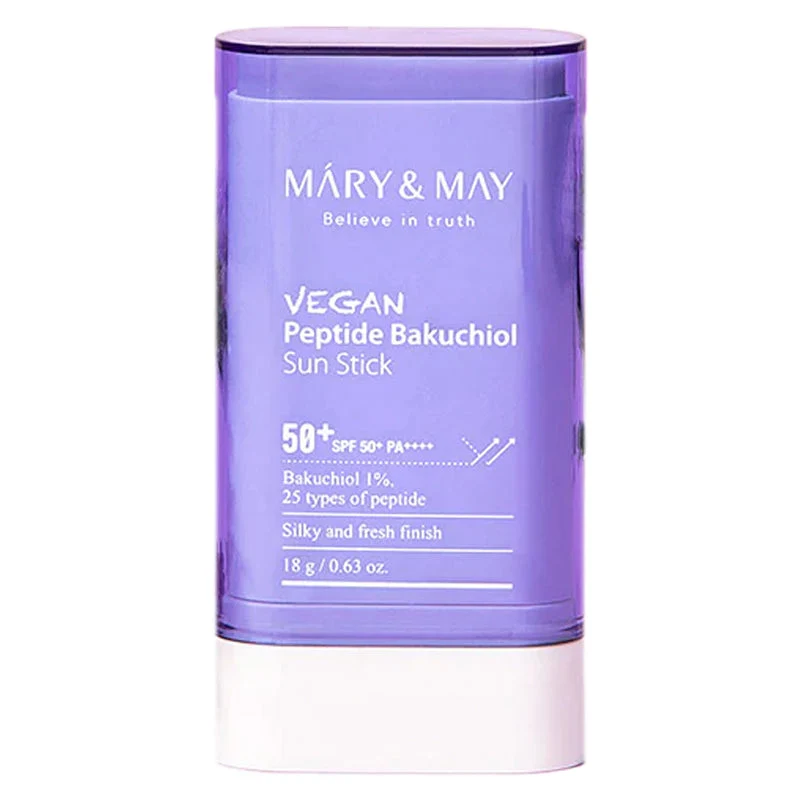
-
Estimated level
- 10–40%
-
Confidence
- Moderate — INCI order above the 1% line
-
Roles
-
Emollient
1st on the list, which puts it at an estimated 10–40% of the formula.
Hexadecyl 2-ethylhexanoate
Hydration
2 scientific references
- Engineering in Life Sciences, March 2019, pages 370-388
- International Journal of Toxicology, Nov-Dec 2015, pages 61S-73S
-
Estimated level
- 5–20%
-
Confidence
- Moderate — INCI order above the 1% line
-
Roles
-
Occlusive
2nd on the list, which puts it at an estimated 5–20% of the formula.
2-Propenoic acid, 2-methyl-, 1,2-ethanediyl ester, polymer with methyl 2-methyl-2-propenoate
Microplastic
-
Estimated level
- 5–20%
-
Confidence
- Moderate — INCI order above the 1% line
-
Roles
-
Emollient
3rd on the list, which puts it at an estimated 5–20% of the formula.
1,2-Butanediol, diesters with octanoic and decanoic acids
-
Estimated level
- 2–10%
-
Confidence
- Moderate — INCI order above the 1% line
-
Roles
-
Exfoliant, Texture agent
4th on the list, which puts it at an estimated 2–10% of the formula.
Synthetic Wax is a hydrocarbon wax derived generally through Fischer-Tropsch or ethylene polymerization processes.
-
Estimated level
- 2–10%
-
Confidence
- Moderate — INCI order above the 1% line
-
Roles
-
Texture agent
5th on the list, which puts it at an estimated 2–10% of the formula.
Vinyl Dimethicone/Methicone Silsesquioxane Crosspolymer
Silicone
Microplastic
-
Estimated level
- 2–10%
-
Confidence
- Moderate — INCI order above the 1% line
-
Roles
-
Emollient, Texture agent
6th on the list, which puts it at an estimated 2–10% of the formula.
Isopropyl palmitate
Hydration
-
Estimated level
- 1–5%
-
Confidence
- Moderate — INCI order above the 1% line
-
Roles
-
Surfactant
7th on the list, which puts it at an estimated 1–5% of the formula.
Soyamide DIPA Amides is a mixture of amides produced by the transamidation of Glycine Soja (Soybean) Oil with Diisopropanolamine.
-
Estimated level
- 1–5%
-
Confidence
- Moderate — INCI order above the 1% line
-
Roles
-
Solvent
8th on the list, which puts it at an estimated 1–5% of the formula.
Benzoic acid, 2-hydroxy-, 2-butyloctyl ester
Hydration
4 scientific references
- Cosmetic Ingredient Review, June 2019, pages 1-60
- https://onlinepersonalcarecouncilorg/ctfa-static/online/lists/cir-pdfs/FR766pdf
- International Journal of Toxicology, 2003, pages 1-108
- https://wwwdeepdyvecom/lp/sage/safety-assessment-of-salicylic-acid-butyloctyl-salicylate-calcium-klHNmxZGsR?articleList=%2Fsearch%3Fquery%3Dbutyloctyl%2Bsalicylate
-
Estimated level
- 1–5%
-
Confidence
- Moderate — INCI order above the 1% line
-
Roles
-
UV filter
9th on the list, which puts it at an estimated 1–5% of the formula.
Benzoic acid, 4,4',4''-(1,3,5-triazine-2,4,6-triyltriimino)tris-,tris(2-ethylhexyl) ester; octyl triazone
Anti-Aging
-
Estimated level
- 1–5%
-
Confidence
- Moderate — INCI order above the 1% line
-
Roles
-
Texture agent
10th on the list, which puts it at an estimated 1–5% of the formula.
Hydrocarbon waxes (petroleum), chemically neutralized. A complex combination of hydrocarbons produced by a treating process to remove acidic materials. It consists predominantly of saturated straight chain hydrocarbons having carbon numbers predominantly in the range of C20 through C50
-
Estimated level
- 1–3%
-
Confidence
- Moderate — INCI order above the 1% line
-
Roles
-
UV filter
11th on the list, which puts it at an estimated 1–3% of the formula.
Polysilicone-15 is the siloxane polymer that conforms generally to the formula:
Anti-Aging
-
Estimated level
- 1–3%
-
Confidence
- Moderate — INCI order above the 1% line
-
Roles
-
Emollient, Active, Antioxidant, Preservative
12th on the list, which puts it at an estimated 1–3% of the formula.
Bakuchiol (babchi seed extract) is a plant-based retinol alternative that softens wrinkles and fades dark spots with less irritation. IUPAC name: 4-[(1E,3S)-3,7-dimethyl-3-vinylocta-1,6-dien-1-yl]phenol
Soothing
Anti-Aging
Evens Skin Tone
14 scientific references
- International Journal of Molecular Sciences, July 2020, pages 1-12
- Pharmacological Research, March 2019, pages 208-213
- British Journal of Dermatology, February 2019, pages 253-254
- Oncotarget, March 2016, pages 14, 616-14, 627
- International Journal of Cosmetic Science, June 2014, pages 221-230
- Bioscience, Biotechnology, and Biochemistry, 2010, pages 1504-1506
- The American Journal of Chinese Medicine, 2010, pages 105-114
- Pharmacognosy Review, January-June 2010, pages 68-76
- British Journal of Dermatology, 2019 (randomized trial vs retinol: bjd.16918)
- Phytochemistry Reviews, 2024 (review: s11101-024-09926-y)
- International Journal of Cosmetic Science, 2026 (review: ics.70116)
- PubMed 41151326, 2025 (bakuchiol against MRSA)
- PubMed 38199573, 2024 (antiviral targets PHB2, VDAC1, VDAC2)
- PubMed 37857572, 2023 (C. elegans lifespan and amyloid-beta)
-
Estimated level
- 1–3%
-
Confidence
- Moderate — INCI order above the 1% line
-
Roles
-
Texture agent
13th on the list, which puts it at an estimated 1–3% of the formula.
Silicones and siloxanes, dimethyl, ethenyl methyl, ethenyldimethylsilyl terminated
Silicone
-
Estimated level
- 1–3%
-
Confidence
- Moderate — INCI order above the 1% line
-
Roles
-
UV filter, Texture agent
14th on the list, which puts it at an estimated 1–3% of the formula.
Titanium dioxide (CI 77891)
Anti-Aging
10 scientific references
- Journal of Cosmetic Dermatology, February 2021, pages 532-537
- Frontiers in Bioengineering and Biotechnology, June 2020
- Journal of Nanoparticle Research, March 2020
- Journal of the European Academy of Dermatology and Venereology, November 2019, pages 34-46
- Photodermatology, Photoimmunology and Photomedicine, November 2019, pages 442-446
- Journal of Cosmetic Science, September 2019, pages 223-234
- Materials, July 2019, pages 1-24
- Photodermatology, Photoimmunology, and Photomedicine, April 2011, pages 58-67
- Skin Therapy Letter, July-August 2008, pages 5-7
- Environmental and Health Perspectives, July 2008, pages 893
-
Estimated level
- 1–3%
-
Confidence
- Moderate — INCI order above the 1% line
-
Roles
-
Emollient, Surfactant
15th on the list, which puts it at an estimated 1–3% of the formula.
Octanoic acid, monoester with glycerol
Hydration
-
Estimated level
- 1–3%
-
Confidence
- Moderate — INCI order above the 1% line
-
Roles
-
Emollient
16th on the list, which puts it at an estimated 1–3% of the formula.
Octane-1,2-diol
-
Estimated level
- 1–3%
-
Confidence
- Moderate — INCI order above the 1% line
-
Roles
-
Surfactant, Texture agent
17th on the list, which puts it at an estimated 1–3% of the formula.
Polyglyceryl-4 Diisostearate/Polyhydroxystearate/Sebacate is a diester of a mixture of isostearic, polyhydroxystearic and sebacic acids with Polyglycerin-4
-
Estimated level
- 1–3%
-
Confidence
- Moderate — INCI order above the 1% line
-
Roles
-
Emollient
18th on the list, which puts it at an estimated 1–3% of the formula.
Alcohols, coco, mixed esters with octanoic and decanoic acids
-
Estimated level
- under 1%
-
Confidence
- Moderate — listed below the 1% line
19th on the list, below the 1% line — present at under 1%, which for most ingredients is the level they work at.
1,2-Propanediol, 3-(2-ethylhexyloxy)
Hydration
5 scientific references
- PLoS One, October 2016, ePublication
- Contact Dermatitis, May 2016, pages 281-288
- International Journal of Toxicology, September 2013, pages 5S-21S
- Personal Care, 2008, pages 1-4
- Cosmetic Science Technology, 2006, pages 1-11
-
Estimated level
- under 1%
-
Confidence
- Moderate — listed below the 1% line
-
Roles
-
Surfactant
20th on the list, below the 1% line — present at under 1%, which for most ingredients is the level they work at.
12-Hydroxyoctadecanoic acid, homopolymer
-
Estimated level
- under 1%
-
Confidence
- Moderate — listed below the 1% line
-
Roles
-
Texture agent
21st on the list, below the 1% line — present at under 1%, which for most ingredients is the level they work at.
Silane, triethoxyoctyl-
-
Estimated level
- under 1%
-
Confidence
- Moderate — listed below the 1% line
-
Roles
-
Humectant, Emollient, Occlusive, Texture agent
22nd on the list, below the 1% line — present at under 1%, which for most ingredients is the level they work at.
Aluminium hydroxide
Oil Control
8 scientific references
- Oil-Absorbing Ingredients
- Help for Oily Skin
- Salicylic Acid for Skin
- How BHA Exfoliants Work
- Which BHA Exfoliant is Right for Me?
- Niacinamide Benefits: What Does Niacinamide Do for Skin?
- The Best Toners for Oily Skin
- The Best Moisturizers for Oily, Acne-Prone Skin
-
Estimated level
- under 1%
-
Confidence
- Moderate — listed below the 1% line
-
Roles
-
Antioxidant
23rd on the list, below the 1% line — present at under 1%, which for most ingredients is the level they work at.
3,4-Dihydro-2,5,7,8-tetramethyl-2-(4,8,12-trimethyltridecyl)-2H-benzopyran-6-ol; .alpha.-tocopherol; Vitamin E
Anti-Aging
Evens Skin Tone
Soothing
4 scientific references
- Journal or Agricultural and Food Chemistry, June 2010, pages 7013-7020
- Journal of Investigative Dermatology, November 2001, pages 1212-1217
- Canadian Family Physician, July 2006, pages 855-856
- Dermatologic Surgery, April 1999, pages 311-315
-
Estimated level
- under 1%
-
Confidence
- Moderate — listed below the 1% line
-
Roles
-
Humectant, Texture agent, Solvent
24th on the list, below the 1% line — present at under 1%, which for most ingredients is the level they work at.
Butane-1,3-diol (CAS No. 107-88-0/ EC No. 203-529-7)
(R)-(-)-butane-1,3-diol” (CAS No. 6290-03-5/ EC No. 228-532-0)
Hydration
5 scientific references
- CosmeticsInfoorg, Accessed March 2021, ePublication
- US Food and Drug Administration Code of Federal Regulations</em>, Accessed March 2021, ePublication
- International Journal of Toxicology, May 2011, pages 5S-16S
- Skin Research and Technology, November 2007, pages 417-24
- Journal of the American College of Toxicology, September 1985, pages 223-248
-
Estimated level
- under 1%
-
Confidence
- Moderate — listed below the 1% line
-
Roles
-
Solvent
25th on the list, below the 1% line — present at under 1%, which for most ingredients is the level they work at.
Aqua (EU),Deionized Water,Distilled Water,Micromatrix Fractile AN,Onsen-Sui (JPN),Purified Water
Hydration
3 scientific references
- Skin Research and Technology, May 2015, pages 131-136
- Skin Pharmacology and Applied Skin Physiology, November-December 1999, pages 344-351
- Journal of Cosmetic Science, September-October 1993, pages 249-262
-
Estimated level
- under 1%
-
Confidence
- Moderate — listed below the 1% line
-
Roles
-
Solvent
26th on the list, below the 1% line — present at under 1%, which for most ingredients is the level they work at.
-
Estimated level
- under 1%
-
Confidence
- Moderate — listed below the 1% line
27th on the list, below the 1% line — present at under 1%, which for most ingredients is the level they work at.
1,2,3-Propanetriol, homopolymer, dodecanoates (1:1) (10 mol glycerol average molar ratio)
-
Estimated level
- under 1%
-
Confidence
- Moderate — listed below the 1% line
-
Roles
-
Humectant, Active, Peptide
28th on the list, below the 1% line — present at under 1%, which for most ingredients is the level they work at.
Acetyl hexapeptide-8 is the synthetic peptide consisting of arginine, methionine, and acetylated glutamic acid residues
Anti-Aging
Hydration
6 scientific references
- Cosmetics, November 2020, Issue 7, Volume 4, page 91
- La Clinica Terapeutica, November 2020, pages e539-e548
- https://wwwcir-safetyorg/sites/default/files/AcetylHexapeptide-8pdf
- Cutaneous and Ocular Toxicology, March 2015, pages 46-52
- European Journal of Pharmaceutical Sciences, February 2015, pages 27-35
- Dermatologic Therapy, September-October 2007, issue 5, pages 343-349
-
Estimated level
- under 1%
-
Confidence
- Moderate — listed below the 1% line
-
Roles
-
Humectant, Active, Peptide
29th on the list, below the 1% line — present at under 1%, which for most ingredients is the level they work at.
Acetyl Octapeptide-3 is the reaction product of acetic acid and Octapeptide-3
Anti-Aging
Hydration
8 scientific references
- 5 Super Anti-Aging Antioxidants Your Skin Needs
- How to Keep Your Neck & Chest Looking Young
- Acne & Aging Skin
- How to Diminish Uneven Skin Tone and Get Your Glow Back
- What Are Peptides and What Do They Do for Skin?
- The Truth About Firming Creams
- Top 5 Reasons to Add Antioxidants to Your Skin Care Routine
- Anti-Aging Superstars
-
Estimated level
- under 1%
-
Confidence
- Moderate — listed below the 1% line
-
Roles
-
Peptide
30th on the list, below the 1% line — present at under 1%, which for most ingredients is the level they work at.
Nonapeptide-1 is a synthetic nonapeptide derived from arginine, lysine, methionine, phenylalanine, proline, tryptophan and valine
-
Estimated level
- under 1%
-
Confidence
- Moderate — listed below the 1% line
-
Roles
-
Peptide
31st on the list, below the 1% line — present at under 1%, which for most ingredients is the level they work at.
Dipeptide-2 is the dipeptide composed of valine and tryptophan
Anti-Aging
1 scientific reference
-
Estimated level
- under 1%
-
Confidence
- Moderate — listed below the 1% line
-
Roles
-
Peptide
32nd on the list, below the 1% line — present at under 1%, which for most ingredients is the level they work at.
Dipeptide-4 is a synthetic peptide consisting of cysteine and glycine; Cysteine, synthetic dipeptide with glycine
-
Estimated level
- under 1%
-
Confidence
- Moderate — listed below the 1% line
-
Roles
-
Peptide
33rd on the list, below the 1% line — present at under 1%, which for most ingredients is the level they work at.
Acetyl Tetrapeptide-2 is product obtained by the acetylation of Tetrapeptide-2
-
Estimated level
- under 1%
-
Confidence
- Moderate — listed below the 1% line
-
Roles
-
Occlusive, Peptide
34th on the list, below the 1% line — present at under 1%, which for most ingredients is the level they work at.
Acetyl Tetrapeptide-3 is product obtained by the acetylation of Tetrapeptide-3
-
Estimated level
- under 1%
-
Confidence
- Moderate — listed below the 1% line
-
Roles
-
Humectant, Peptide
35th on the list, below the 1% line — present at under 1%, which for most ingredients is the level they work at.
Acetyl Tetrapeptide-5 is product obtained by the acetylation of Tetrapeptide-5
Anti-Aging
Soothing
-
Estimated level
- under 1%
-
Confidence
- Moderate — listed below the 1% line
-
Roles
-
Active, Peptide
36th on the list, below the 1% line — present at under 1%, which for most ingredients is the level they work at.
Acetyl Tripeptide-1 is product obtained by the acetylation of Tripeptide-1
-
Estimated level
- under 1%
-
Confidence
- Moderate — listed below the 1% line
-
Roles
-
Peptide
37th on the list, below the 1% line — present at under 1%, which for most ingredients is the level they work at.
Polymer derived from alanine, histidine and lysine, copper derivative, hydrochloride
-
Estimated level
- under 1%
-
Confidence
- Moderate — listed below the 1% line
-
Roles
-
Peptide
38th on the list, below the 1% line — present at under 1%, which for most ingredients is the level they work at.
Oligopeptide-6 is a synthetic peptide consisting of alanine, arginine, asparagine, aspartic acid, isoleucine, leucine, lysine, phenylalanine and threonine
-
Estimated level
- under 1%
-
Confidence
- Moderate — listed below the 1% line
-
Roles
-
Active, Peptide
39th on the list, below the 1% line — present at under 1%, which for most ingredients is the level they work at.
Copper Tripeptide-1 is a copper complex of Tripeptide-1
-
Estimated level
- under 1%
-
Confidence
- Moderate — listed below the 1% line
-
Roles
-
Occlusive, Active, Peptide
40th on the list, below the 1% line — present at under 1%, which for most ingredients is the level they work at.
Tripeptide-1 is a synthetic peptide containing glycine, histidine, and lysine
Anti-Aging
-
Estimated level
- under 1%
-
Confidence
- Moderate — listed below the 1% line
-
Roles
-
Peptide
41st on the list, below the 1% line — present at under 1%, which for most ingredients is the level they work at.
Tripeptide-2 is a synthetic peptide containing tryrosine and valine residues
-
Estimated level
- under 1%
-
Confidence
- Moderate — listed below the 1% line
-
Roles
-
Peptide
42nd on the list, below the 1% line — present at under 1%, which for most ingredients is the level they work at.
Tripeptide-3 is a synthetic peptide containing glycine, serine and valine residues
-
Estimated level
- under 1%
-
Confidence
- Moderate — listed below the 1% line
-
Roles
-
Active, Peptide
43rd on the list, below the 1% line — present at under 1%, which for most ingredients is the level they work at.
Pentapeptide-3 is a synthetic peptide containing alanine, arginine, isoleucine, glycine and proline
-
Estimated level
- under 1%
-
Confidence
- Moderate — listed below the 1% line
-
Roles
-
Peptide
44th on the list, below the 1% line — present at under 1%, which for most ingredients is the level they work at.
Hexapeptide-2 is a synthetic peptide containing Alanine, histidine, lysine, phenylalanine and tryptophane hexapeptide
-
Estimated level
- under 1%
-
Confidence
- Moderate — listed below the 1% line
-
Roles
-
Peptide
45th on the list, below the 1% line — present at under 1%, which for most ingredients is the level they work at.
Hexapeptide-9 is a synthetic peptide containing Glutamine, Glycine and Proline residues
-
Estimated level
- under 1%
-
Confidence
- Moderate — listed below the 1% line
-
Roles
-
Chelator
46th on the list, below the 1% line — present at under 1%, which for most ingredients is the level they work at.
L-Aspartic Acid, N, N-bis(zarboxylatomethyl )-L-glutamate; Tetrasodium N,N-bis(carboxylatomethyl)-L-glutamate
-
Estimated level
- under 1%
-
Confidence
- Moderate — listed below the 1% line
-
Roles
-
Active, Peptide
47th on the list, below the 1% line — present at under 1%, which for most ingredients is the level they work at.
Palmitoyl Dipeptide-7 is the reaction product of palmitic acid and Dipeptide-7
-
Estimated level
- under 1%
-
Confidence
- Moderate — listed below the 1% line
-
Roles
-
Active, Peptide
48th on the list, below the 1% line — present at under 1%, which for most ingredients is the level they work at.
Palmitoyl Tetrapeptide-7 is the reaction product of palmitic acid and Tetrapeptide-7
Anti-Aging
5 scientific references
- Cosmetics, November 2020, ePublication
- International Journal of Toxicology, Volume 37, Supplement 3, November 2018, pages 90S–102S
- Journal of Cosmetic Dermatology, June 2015, pages 152–160
- Molecular Pharmaceutics, March 2013, pages 1, 063-1, 069
- Plastic Surgical Nursing, April 2012, pages 71–72
-
Estimated level
- under 1%
-
Confidence
- Moderate — listed below the 1% line
-
Roles
-
Active, Peptide
49th on the list, below the 1% line — present at under 1%, which for most ingredients is the level they work at.
L-Lysine, N-(1-oxohexadecyl)glycyl-L-histidyl-
Anti-Aging
4 scientific references
- International Journal of Toxicology, November 2018, pages 90S-102S
- Cosmetics, May 2017, pages 1-14
- Experimental and Therapeutic Medicine, August 2016, pages 1, 171-1, 176
- International Journal of Cosmetic Science, June 2000, pages 207-218
-
Estimated level
- under 1%
-
Confidence
- Moderate — listed below the 1% line
-
Roles
-
Peptide
50th on the list, below the 1% line — present at under 1%, which for most ingredients is the level they work at.
Palmitoyl Tripeptide-5 is the reaction product of palmitic acid and Tripeptide-5
Anti-Aging
6 scientific references
- Molecules, March 2023, pages 1–12
- Pharmaceuticals, July 2021, pages 1–22
- Frontiers in Chemistry, October 2020, pages 1–8
- Journal of Topical and Cosmetic Science, October 2020, pages 77–82
- Household and Personal Care Today, November/December 2015, pages 6–11
- The Journal of Clinical and Aesthetic Dermatology, March 2009, pages 38–43
-
Estimated level
- under 1%
-
Confidence
- Moderate — listed below the 1% line
-
Roles
-
Active, Peptide
51st on the list, below the 1% line — present at under 1%, which for most ingredients is the level they work at.
Lysine, synthetic pentapeptide with serine, and threonine, hexadecanoyl derivatives
Anti-Aging
-
Estimated level
- under 1%
-
Confidence
- Moderate — listed below the 1% line
-
Roles
-
Peptide
52nd on the list, below the 1% line — present at under 1%, which for most ingredients is the level they work at.
Palmitoyl Hexapeptide-61 is the product obtained by the reaction of palmitic acid chloride and Hexapeptide-61.
-
Estimated level
- under 1%
-
Confidence
- Moderate — listed below the 1% line
53rd on the list, below the 1% line — present at under 1%, which for most ingredients is the level they work at.
Ultramarines (blue, green, pink, red and violet) are synthetic pigments composed of complex sodium aluminum sulfosilicates having a typical formula Na(AlSiO)S with proportions of each element varying with each colour. To identify the colorant allowed for use in the European Union (EU), the INCI Name CI 77007 must be used.
Not yet matched to our database
These are printed on the label but have not been linked to an ingredient record yet, so they are excluded from the analysis above.
Diethylaminohydroxybenzoylhexylbenzoate
Bis-Ethylhexyloxyphenolmethoxyphenyltriazine
Flavoring