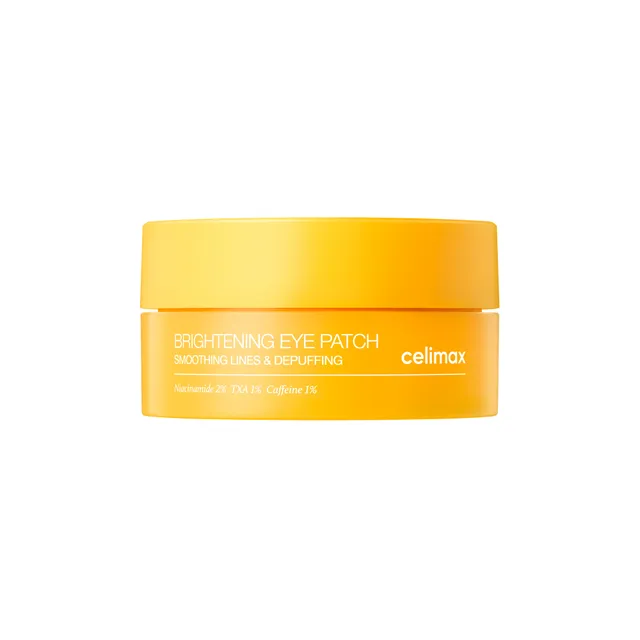
-
Estimated level
- 30–80%
-
Confidence
- Moderate — INCI order above the 1% line
-
Roles
-
Solvent
1st on the list, which puts it at an estimated 30–80% of the formula.
Aqua (EU),Deionized Water,Distilled Water,Micromatrix Fractile AN,Onsen-Sui (JPN),Purified Water
Hydration
3 scientific references
- Skin Research and Technology, May 2015, pages 131-136
- Skin Pharmacology and Applied Skin Physiology, November-December 1999, pages 344-351
- Journal of Cosmetic Science, September-October 1993, pages 249-262
-
Estimated level
- 5–20%
-
Confidence
- Moderate — INCI order above the 1% line
-
Roles
-
Humectant, Occlusive, Texture agent, Solvent
2nd on the list, which puts it at an estimated 5–20% of the formula.
Glycerine ;Glycerol (INN); Glycerol (RIFM); Glycerolum (EP); Glycyl Alcohol; 1,2,3-Propanetriol; 1,2,3-Trihydroxypropane
Hydration
Anti-Aging
6 scientific references
- Journal of Pharmaceutical Investigation, March 2021, pages 223-231
- International Journal of Toxicology, November/December 2019, Volume 38, Supplement 3, pages 6S-22S
- International Journal of Cosmetic Science, August 2016, ePublication
- British Journal of Dermatology, July 2008, pages 23-34
- Journal of Cosmetic Dermatology, June 2007, pages 75-82
- Proceedings of the National Academy of Sciences, June 2003, pages 7, 360-7, 365
-
Estimated level
- 5–20%
-
Confidence
- Moderate — INCI order above the 1% line
-
Roles
-
Occlusive, Texture agent
3rd on the list, which puts it at an estimated 5–20% of the formula.
2-propenoic acid, 2-methyl-, polymer with ethyl 2-propenoate and methyl 2-methyl-2-propenoate
Hydration
Synthetic polymer
3 scientific references
- CosmeticsInfoorg, Accessed October 2021, ePublication
- Cosmetic Ingredient Review, January 2019, pages 1-42
- Swiss Society of Chemists, September 2015, ePublication
-
Estimated level
- 2–10%
-
Confidence
- Moderate — INCI order above the 1% line
-
Roles
-
Active
4th on the list, which puts it at an estimated 2–10% of the formula.
Niacinamide (vitamin B3) is a gentle skincare active that repairs the skin barrier, calms redness, controls oil and evens tone at 2–5%. Official IUPAC name: **3-Pyridinecarboxamide**
Soothing
Anti-Aging
Pore Minimizer
15 scientific references
- International Journal of Dermatology, February 2021, pages 166-173
- Biomolecules & Therapeutics, July 2019, pages 562-569
- Experimental Dermatology, February 2019, pages 15-22
- Dermatologic Therapy, September 2017, ePublication
- Journal of Investigative Dermatology, May 2017, page S116
- International Journal of Pharmaceutics, March 2017, pages 158-162
- Facial Plastic Surgery Clinics of North America, May 2016, pages 145-152
- Clinical, Cosmetic, and Investigational Dermatology, July 2015, pages 405-412
- Skin Pharmacology and Physiology, June 2014, pages 311-315
- International Journal of Pharmacy, January 2013, pages 192-201
- Dermatoendrocrinology, July 2012, pages 308-319
- International Journal of Toxicology, September 2005, pages 1-31
- Dermatologic Surgery, July 2005, pages 860-865
- International Journal of Cosmetic Science, October 2004, pages 231-238
- Journal of Cosmetic Dermatology, April 2004, pages 88-93
-
Estimated level
- 2–10%
-
Confidence
- Moderate — INCI order above the 1% line
5th on the list, which puts it at an estimated 2–10% of the formula.
Irish Moss
Hydration
Anti-Aging
-
Estimated level
- 2–10%
-
Confidence
- Moderate — INCI order above the 1% line
-
Roles
-
Texture agent, Solvent
6th on the list, which puts it at an estimated 2–10% of the formula.
1,3-dihydroxypropane
Hydration
4 scientific references
- PubChem Compound Summary, April 2021, ePublication
- SpecialChem, Accessed April 2021, ePublication
- Cosmetic Ingredient Review, June 2018, pages 1-73
- Cosmetics & Toiletries, May 2013, pages 81-86
-
Estimated level
- 1–5%
-
Confidence
- Moderate — INCI order above the 1% line
7th on the list, which puts it at an estimated 1–5% of the formula.
1H-Purine-2,6-dione, 3,7-dihydro-1,3,7-trimethyl-
Anti-Aging
-
Estimated level
- 1–5%
-
Confidence
- Moderate — INCI order above the 1% line
8th on the list, which puts it at an estimated 1–5% of the formula.
Cyclohexanecarboxylic acid, 4-(aminomethyl)-, trans-
Dark Spot Fading
Evens Skin Tone
Anti-Aging
8 scientific references
- Journal of Cosmetic Dermatology, February 2021, pages 561-565
- International Journal of Medical Sciences, March 2020, pages 903-911
- Journal of Cosmetic Dermatology, April 2019, pages 563-567
- Journal of Cutaneous and Aesthetic Surgery, January-March 2019, pages 63-67; and July-August 2013, pages 139-143
- BioMed Research International, November 2018, ePublication
- Dermatologic Surgery, June 2018, pages 814-825
- Dermatology and Therapy, September 2017, pages 417-424
- Journal of Research in Medical Sciences, August 2014, pages 753-757
-
Estimated level
- under 1%
-
Confidence
- Moderate — listed below the 1% line
-
Roles
-
Solvent
9th on the list, below the 1% line — present at under 1%, which for most ingredients is the level they work at.
-
Estimated level
- under 1%
-
Confidence
- Moderate — listed below the 1% line
-
Roles
-
Emollient, Occlusive, Texture agent
10th on the list, below the 1% line — present at under 1%, which for most ingredients is the level they work at.
Ceratonia Siliqua Gum is the ground seed of the ripe fruit of St. John's Bread (carob), Ceratonia siliqua L. (Locust bean), Leguminosae
-
Estimated level
- under 1%
-
Confidence
- Moderate — listed below the 1% line
-
Roles
-
Antioxidant
11th on the list, below the 1% line — present at under 1%, which for most ingredients is the level they work at.
Ethanone, 1-(4-hydroxyphenyl)-,p-Hydroxyacetophenone
Anti-Aging
Hydration
4 scientific references
- Journal of Oleo Science, February 2019, pages 183-191
- Applied Environmental Microbiology, June 2018, ePublication
- Journal of Biosciences, May-June 2004, pages 345-353
- Scientific Reports, April 2021, pages 1–7
-
Estimated level
- under 1%
-
Confidence
- Moderate — listed below the 1% line
-
Roles
-
Surfactant, Texture agent
12th on the list, below the 1% line — present at under 1%, which for most ingredients is the level they work at.
Xanthan gum
-
Estimated level
- under 1%
-
Confidence
- Moderate — listed below the 1% line
-
Roles
-
Occlusive, Texture agent
13th on the list, below the 1% line — present at under 1%, which for most ingredients is the level they work at.
Cellulose, carboxymethyl ether, sodium salt
-
Estimated level
- under 1%
-
Confidence
- Moderate — listed below the 1% line
-
Roles
-
Texture agent
14th on the list, below the 1% line — present at under 1%, which for most ingredients is the level they work at.
Potassium chloride
-
Estimated level
- under 1%
-
Confidence
- Moderate — listed below the 1% line
-
Roles
-
Humectant, Soothing
15th on the list, below the 1% line — present at under 1%, which for most ingredients is the level they work at.
Sucrose
Hydration
8 scientific references
- Supercharged Hydration
- How Hyaluronic Acid Benefits Skin
- What is Dehydrated Skin & How to Choose the Best Products
- What Your Moisturizer Must Contain
- Moisturizer Myths You Should Stop Believing Now
- The Benefits of Glycerin in Skin Care
- The Best Face Oils for Skin
- How Facial Oils Help Skin
-
Estimated level
- under 1%
-
Confidence
- Moderate — listed below the 1% line
-
Roles
-
Humectant, Texture agent
16th on the list, below the 1% line — present at under 1%, which for most ingredients is the level they work at.
Methanaminium, 1-carboxy-N,N,N-trimethyl-, hydroxide, inner salt
Hydration
5 scientific references
- International Journal of Toxicology, 2018, pages 28S-46S
- Food Science and Biotechnology, October 2017, pages 1391-1397
- The Journal of Chemical Physics, June 2015, ePublication
- The American Journal of Clinical Nutrition, September 2004, pages 539-549
- Skin Research and Technology, February 2003, pages 50-58
-
Estimated level
- under 1%
-
Confidence
- Moderate — listed below the 1% line
-
Roles
-
Humectant
17th on the list, below the 1% line — present at under 1%, which for most ingredients is the level they work at.
alpha-D-Glucopyranoside, alpha-D-glucopyranosyl
Hydration
7 scientific references
- Cosmetics, October 2019, pages 1-10
- Cell Death & Disease, July 2019, pages 1-16
- International Journal of Toxicology, 2019, pages 5S-38S
- Applied Microbiology and Biotechnology, February 2018, pages 2, 965-2, 976
- Journal of Applied Polymer Science, May 2017, pages 1-6
- Biomedical Reports, September 2014, pages 755-759
- Journal of Pharmaceutical Sciences, June 2011, pages 2, 020-2, 053
-
Estimated level
- under 1%
-
Confidence
- Moderate — listed below the 1% line
-
Roles
-
Texture agent, Fragrance / colour
18th on the list, below the 1% line — present at under 1%, which for most ingredients is the level they work at.
Mica is a series of silicate minerals of varying chemical composition but with similar physical properties. Mica may have well-defined cleavage and split into very thin sheets.
-
Estimated level
- under 1%
-
Confidence
- Moderate — listed below the 1% line
19th on the list, below the 1% line — present at under 1%, which for most ingredients is the level they work at.
6-Amino-9-beta-D-ribofuranosyl-9H-purine
Soothing
8 scientific references
- PubChem, Accessed May 2021, ePublication
- Cosmetic Ingredient Review, September 2020, pages 1-38
- Experimental Dermatology, August 2014, pages 553-554
- Journal of Investigative Dermatology, August 2011, pages 526-546
- International Journal of Cosmetic Science, December 2006, pages 447-451
- British Journal of Pharmacology, October 2008, issue 4, pages 475-486
- PloS One, May 2008 (ePublication)
- >International Journal of Cosmetic Science, August 2006, pages 447-451
-
Estimated level
- under 1%
-
Confidence
- Moderate — listed below the 1% line
-
Roles
-
UV filter, Texture agent
20th on the list, below the 1% line — present at under 1%, which for most ingredients is the level they work at.
Titanium dioxide (CI 77891)
Anti-Aging
10 scientific references
- Journal of Cosmetic Dermatology, February 2021, pages 532-537
- Frontiers in Bioengineering and Biotechnology, June 2020
- Journal of Nanoparticle Research, March 2020
- Journal of the European Academy of Dermatology and Venereology, November 2019, pages 34-46
- Photodermatology, Photoimmunology and Photomedicine, November 2019, pages 442-446
- Journal of Cosmetic Science, September 2019, pages 223-234
- Materials, July 2019, pages 1-24
- Photodermatology, Photoimmunology, and Photomedicine, April 2011, pages 58-67
- Skin Therapy Letter, July-August 2008, pages 5-7
- Environmental and Health Perspectives, July 2008, pages 893
-
Estimated level
- under 1%
-
Confidence
- Moderate — listed below the 1% line
-
Roles
-
Texture agent, Chelator
21st on the list, below the 1% line — present at under 1%, which for most ingredients is the level they work at.
Disodium dihydrogen ethylenediaminetetraacetate
-
Estimated level
- under 1%
-
Confidence
- Moderate — listed below the 1% line
-
Roles
-
Humectant
22nd on the list, below the 1% line — present at under 1%, which for most ingredients is the level they work at.
.alpha.-d-Glucopyranosiduronic acid, (3.beta.,20.beta.)-20-carboxy-11-oxo-30-norolean-12-en-3-yl 2-O-.beta.-d-glucopyranuronosyl-, dipotassium salt
Soothing
Dark Spot Fading
8 scientific references
- How to Care for Red, Sensitive Skin
- 7 Best Products for Sensitive Skin
- Skincare Tips for Calming Redness
- Skin-Soothing Ingredients
- How the Paula’s Choice CALM Collection Works
- The Best Moisturizers for Sensitive Skin
- The Best Ways to Treat Acne and Sensitive Skin
- Skin Care for Extremely Dry, Sensitive Skin
-
Estimated level
- under 1%
-
Confidence
- Moderate — listed below the 1% line
-
Roles
-
Occlusive, Soothing
23rd on the list, below the 1% line — present at under 1%, which for most ingredients is the level they work at.
Urea, (2,5-dioxo-4-imidazolidinyl)-
Soothing
8 scientific references
- Chemistry Series, March 2020, pages 7-21
- Molecules, June 2019, pages 1-33
- European Journal of Pharmacology, February 2018, pages 68-78
- Journal of the American Academy of Dermatology, June 2017, Volume 76, Issue 2, Supplement 1
- Pharmacognosy Review, Volume 5, July-December 2011
- International Journal of Toxicology, May 2010, Supplement, pages 84S-97S
- Journal of Occupational Medicine and Toxicology, October 2008, ePublication
- https://wwwaccessdatafdagov/scripts/cdrh/cfdocs/cfcfr/CFRSearchcfm?CFRPart=347&showFR=1
-
Estimated level
- under 1%
-
Confidence
- Moderate — listed below the 1% line
-
Roles
-
Texture agent
24th on the list, below the 1% line — present at under 1%, which for most ingredients is the level they work at.
Iron Powder is the element consisting of powdered metallic iron
-
Estimated level
- under 1%
-
Confidence
- Moderate — listed below the 1% line
-
Roles
-
Occlusive, Plant extract
25th on the list, below the 1% line — present at under 1%, which for most ingredients is the level they work at.
Eriobotrya Japonica Leaf Extract is an extract of the leaves of the Loquat, Eriobotrya japonica, Rosaceae
-
Estimated level
- under 1%
-
Confidence
- Moderate — listed below the 1% line
-
Roles
-
Humectant, Texture agent, Solvent
26th on the list, below the 1% line — present at under 1%, which for most ingredients is the level they work at.
Butane-1,3-diol (CAS No. 107-88-0/ EC No. 203-529-7)
(R)-(-)-butane-1,3-diol” (CAS No. 6290-03-5/ EC No. 228-532-0)
Hydration
5 scientific references
- CosmeticsInfoorg, Accessed March 2021, ePublication
- US Food and Drug Administration Code of Federal Regulations</em>, Accessed March 2021, ePublication
- International Journal of Toxicology, May 2011, pages 5S-16S
- Skin Research and Technology, November 2007, pages 417-24
- Journal of the American College of Toxicology, September 1985, pages 223-248
-
Estimated level
- under 1%
-
Confidence
- Moderate — listed below the 1% line
-
Roles
-
Plant extract
27th on the list, below the 1% line — present at under 1%, which for most ingredients is the level they work at.
Mentha Viridis Extract is an extract of the whole plant of the Garden Mint (spearmint), Mentha viridis L., Labiatae
-
Estimated level
- under 1%
-
Confidence
- Moderate — listed below the 1% line
-
Roles
-
Surfactant
28th on the list, below the 1% line — present at under 1%, which for most ingredients is the level they work at.
Lecithins, hydrogenated
Hydration
4 scientific references
- International Journal of Toxicology, September 2020, pages 5S-25S
- Nanocosmetics, June 2019, pages 95–140
- Current Drug Delivery, 2016, pages 111–120
- Pharmaceutical Research, February 2013, pages 538–55
-
Estimated level
- under 1%
-
Confidence
- Moderate — listed below the 1% line
-
Roles
-
Soothing, Surfactant, Plant extract
29th on the list, below the 1% line — present at under 1%, which for most ingredients is the level they work at.
Centella Asiatica Extract is the extract of the whole plant Hydrocotyl, Centella asiatica L., Apiaceae
Soothing
Anti-Aging
6 scientific references
- Phytomedicine, April 2018, pages 110–119
- Clinical, Cosmetic, and Investigational Dermatology, August 2017, pages 311–315
- Indian Journal of Pharmaceutical Sciences, Jan-Feb 2016, pages 27–33
- Postepy Dermatologii I, February 2013, pages 46–49
- Indian Journal of Pharmaceutical Sciences, 2010, pages 546–556
- Scientific Reports, June 2021, ePublication
-
Estimated level
- under 1%
-
Confidence
- Moderate — listed below the 1% line
-
Roles
-
Humectant, Plant extract
30th on the list, below the 1% line — present at under 1%, which for most ingredients is the level they work at.
Ficus Carica Fruit Extract is an extract of the fruit of the Fig, Ficus carica L., Moraceae
-
Estimated level
- under 1%
-
Confidence
- Moderate — listed below the 1% line
-
Roles
-
Humectant, Active
31st on the list, below the 1% line — present at under 1%, which for most ingredients is the level they work at.
Hyaluronic acid, sodium, salt
Hydration
Anti-Aging
Soothing
5 scientific references
- Der Hautarzt; Zeitschrift fur Dermatologie, Venerologie, und Verwandte Gebiete, December 2017, pages 987-993
- Journal of Cosmetic Dermatology, July 2014, pages 277-287
- Journal of Clinical and Aesthetic Dermatology, October 2012, pages 20-23
- DermatoEndocrinology, July-December 2012, pages 253-258
- Journal of Drugs in Dermatology, September 2011, pages 990-1000
-
Estimated level
- under 1%
-
Confidence
- Moderate — listed below the 1% line
32nd on the list, below the 1% line — present at under 1%, which for most ingredients is the level they work at.
beta-Glucan is a polysaccharide consisting of b(1-3) linked glucose chains carrying b(1-6) linked glucose sidechains
Soothing
Hydration
6 scientific references
- Journal of Cosmetic Dermatology, December 2018, pages 1, 101-1, 107
- International Journal of Molecular Sciences, September 2017, pages 1-48
- Phytotherapy Research, February 2014, pages 159-166
- Cosmetic Ingredient Review, October 2012, pages 1-52
- Journal of Drugs in Dermatology, February 2007, pages 167-170
- International Journal of Cosmetic Science, October 2005, page 292
-
Estimated level
- under 1%
-
Confidence
- Moderate — listed below the 1% line
-
Roles
-
Active
33rd on the list, below the 1% line — present at under 1%, which for most ingredients is the level they work at.
Ceramide NP,1,3,4-Octadecanetriol, 2-Octadecanamide,Stearoyl-C18-Phytosphingosine,Stearoyl-4-Hydroxysphinganine
Hydration
Anti-Aging
11 scientific references
- International Journal of Toxicology, 2020, pages 5S-25S
- International Journal of Molecular Sciences, August 2019, pages 1-15
- Skin Pharmacology and Physiology, 2016, pages 135-147
- Biochimica et Biophysica Acta, October 2014, pages 2473-2483
- Journal of the American Academy of Dermatology, July 2014, pages 177-184
- Journal of Lipid Research, July 2008, pages 1, 466-1, 476
- Journal of Lipid Research, September 2007, pages 1936-1943
- American Journal of Clinical Dermatology, 2003, pages 107-129
- Contact Dermatitis, June 2002, pages 331-338
- Journal of Investigative Dermatology, November 2001, pages 1, 126-1, 136
- Skin Pharmacology and Applied Skin Physiology, September-October 2001, pages 261-271
-
Estimated level
- under 1%
-
Confidence
- Moderate — listed below the 1% line
-
Roles
-
Humectant, Peptide
34th on the list, below the 1% line — present at under 1%, which for most ingredients is the level they work at.
Acetyl Tetrapeptide-5 is product obtained by the acetylation of Tetrapeptide-5
Anti-Aging
Soothing