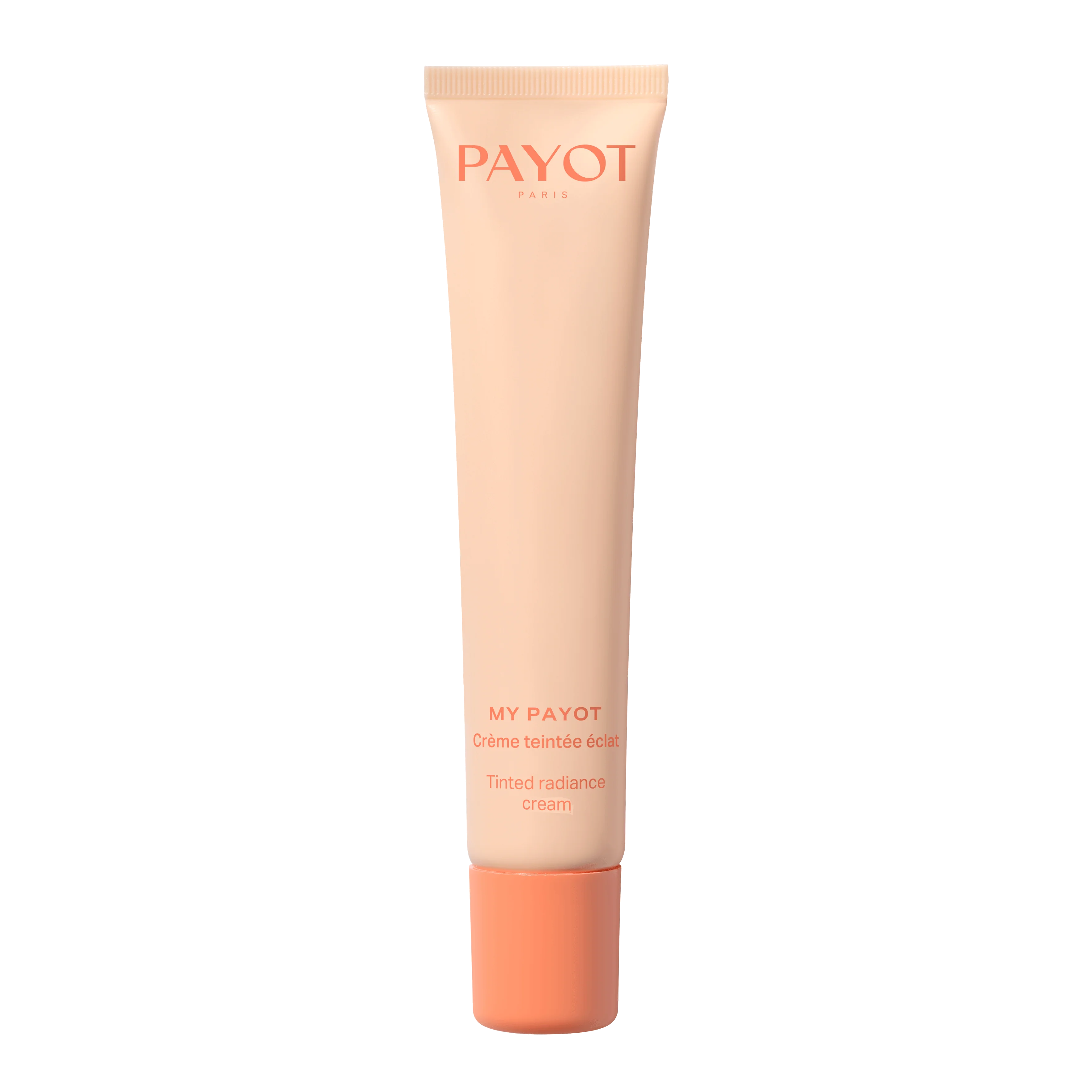
-
Estimated level
- 30–80%
-
Confidence
- Moderate — INCI order above the 1% line
-
Roles
-
Solvent
1st on the list, which puts it at an estimated 30–80% of the formula.
Water
-
Estimated level
- 5–20%
-
Confidence
- Moderate — INCI order above the 1% line
-
Roles
-
Emollient
2nd on the list, which puts it at an estimated 5–20% of the formula.
Carbonic Acid, Dicaprylyl Ester
Hydration
5 scientific references
- OCL, April 2018, pages 1-10
- Journal of Surfactants and Detergents, July 2017, pages 1, 337–1, 349
- Cosmetic Ingredient Review, December 2016, pages 1-50
- https://wwwcir-safetyorg/sites/default/files/dialkyl%20carbonatespdf
- https://wwwulprospectorcom/en/na/PersonalCare/Detail/75/204256/Cetiol-CC
-
Estimated level
- 5–20%
-
Confidence
- Moderate — INCI order above the 1% line
-
Roles
-
Emollient, Occlusive, Solvent
3rd on the list, which puts it at an estimated 5–20% of the formula.
Dibutyl adipate
Hydration
-
Estimated level
- 2–5%
-
Confidence
- High — bounded by a regulatory limit
-
Roles
-
UV filter
4th on the list. Regulation caps it at 5%, so it is present at roughly 2–5%.
Benzoic acid, 4,4',4''-(1,3,5-triazine-2,4,6-triyltriimino)tris-,tris(2-ethylhexyl) ester; octyl triazone
Anti-Aging
-
Estimated level
- 2–10%
-
Confidence
- Moderate — INCI order above the 1% line
-
Roles
-
Humectant, Texture agent, Solvent
5th on the list, which puts it at an estimated 2–10% of the formula.
Propane-1,2-diol
Hydration
5 scientific references
- CosmeticsInfoorg, Accessed April 2021, ePublication
- Archives of Dermatological Research, November 2019, pages 337-352
- Critical Reviews in Toxicology, April 2013, pages 363-390
- International Journal of Toxicology, September-October 2012, pages 245S-260S
- Skin Pharmacology and Applied Physiology, 2001, pages 72-81
-
Estimated level
- 2–10%
-
Confidence
- Moderate — INCI order above the 1% line
-
Roles
-
UV filter, Fragrance / colour
6th on the list, which puts it at an estimated 2–10% of the formula.
CI 77891 is classed chemically as an inorganic colour (see also INCI: Titanium dioxide). It conforms to the formula
-
Estimated level
- 1–5%
-
Confidence
- Moderate — INCI order above the 1% line
-
Roles
-
UV filter
7th on the list, which puts it at an estimated 1–5% of the formula.
2,2'-[6-(4-Methoxyphenyl)-1,3,5-triazine-2,4-diyl]bis[5-[(2-ethylhexyl)oxy]-phenol]
Anti-Aging
-
Estimated level
- 1–5%
-
Confidence
- Moderate — INCI order above the 1% line
-
Roles
-
Emollient, Surfactant, Texture agent
8th on the list, which puts it at an estimated 1–5% of the formula.
Alcohols, C16-18
Hydration
4 scientific references
- CosmeticsInfoorg, Accessed March 2021, ePublication
- FDA Cosmetic Labeling Claims, August 2020, ePublication
- Journal of the Society of Cosmetic Scientists of Korea, June 2009, pages 103-110
- Journal of the American College of Toxicology, 1988, pages 359-413
-
Estimated level
- 1–5%
-
Confidence
- Moderate — INCI order above the 1% line
-
Roles
-
Surfactant
9th on the list, which puts it at an estimated 1–5% of the formula.
D-Glucopyranose, C16-18 alkyl glycosides
-
Estimated level
- 1–5%
-
Confidence
- Moderate — INCI order above the 1% line
-
Roles
-
UV filter
10th on the list, which puts it at an estimated 1–5% of the formula.
Benzoic Acid, 2-[4-(Diethylamino)-2-Hydroxybenzoyl]-, Hexyl Ester
Anti-Aging
-
Estimated level
- 1–3%
-
Confidence
- Moderate — INCI order above the 1% line
-
Roles
-
Humectant, Occlusive, Texture agent, Solvent
11th on the list, which puts it at an estimated 1–3% of the formula.
Glycerine ;Glycerol (INN); Glycerol (RIFM); Glycerolum (EP); Glycyl Alcohol; 1,2,3-Propanetriol; 1,2,3-Trihydroxypropane
Hydration
Anti-Aging
6 scientific references
- Journal of Pharmaceutical Investigation, March 2021, pages 223-231
- International Journal of Toxicology, November/December 2019, Volume 38, Supplement 3, pages 6S-22S
- International Journal of Cosmetic Science, August 2016, ePublication
- British Journal of Dermatology, July 2008, pages 23-34
- Journal of Cosmetic Dermatology, June 2007, pages 75-82
- Proceedings of the National Academy of Sciences, June 2003, pages 7, 360-7, 365
-
Estimated level
- 1–3%
-
Confidence
- Moderate — INCI order above the 1% line
-
Roles
-
Texture agent
12th on the list, which puts it at an estimated 1–3% of the formula.
Fluorphlogopite, Mg3K[AlF2O(SiO3)3] (synthetic)
-
Estimated level
- 1–3%
-
Confidence
- Moderate — INCI order above the 1% line
-
Roles
-
Exfoliant
13th on the list, which puts it at an estimated 1–3% of the formula.
Bambusa Arundinacea Stem Powder is the powder obtained from the dried, ground stems of Bambusa arundinacea, Poaceae
-
Estimated level
- 1–3%
-
Confidence
- Moderate — INCI order above the 1% line
-
Roles
-
Plant extract
14th on the list, which puts it at an estimated 1–3% of the formula.
Punica Granatum Fruit Extract is an extract of the fruit of the Pomegranate, Punica granatum L., Punicaceae
Anti-Aging
Soothing
6 scientific references
- The Journal of Dermatological Treatment, December 2021, pages 983-990
- Plant Foods for Human Nutrition, December 2020, pages 477-486
- Frontiers in Pharmacology, May 2018, ePublication
- Oncology Reviews, January 2018, ePublication
- Journal of Drugs in Dermatology, June 2010, pages S72-S81 and June 2009, pages S5-S9
- Journal of Agricultural and Food Chemistry, January 2002, issue 1, pages 166-171
-
Estimated level
- 1–3%
-
Confidence
- Moderate — INCI order above the 1% line
-
Roles
-
Plant extract
15th on the list, which puts it at an estimated 1–3% of the formula.
Lycium Barbarum Fruit Extract is an extract of the fruit of the Boxthorn, Lycium barbarum L., Solanaceae
Anti-Aging
Hydration
-
Estimated level
- 1–3%
-
Confidence
- Moderate — INCI order above the 1% line
-
Roles
-
Plant extract
16th on the list, which puts it at an estimated 1–3% of the formula.
Euterpe Oleracea Fruit Extract is an extract of the fruit of the Cabbage Palm, Euterpe oleracea, Arecaceae
Anti-Aging
Soothing
-
Estimated level
- 1–3%
-
Confidence
- Moderate — INCI order above the 1% line
-
Roles
-
Emollient, Texture agent
17th on the list, which puts it at an estimated 1–3% of the formula.
Tetradecanoic acid, isopropyl ester
Hydration
-
Estimated level
- 1–3%
-
Confidence
- Moderate — INCI order above the 1% line
-
Roles
-
Active, Antioxidant
18th on the list, which puts it at an estimated 1–3% of the formula.
L-Ascorbic acid, 2-(dihydrogen phosphate), trisodium salt
Anti-Aging
Evens Skin Tone
Dark Spot Fading
7 scientific references
- Journal of Cosmetic Dermatology, January 2021, pages 174-180
- Pharmaceutics, December 2018, ePublication
- Annals of Dermatology, August 2015, pages 376-382
- Chemical Society of Pakistan, March 2013, pages 1, 096-1, 102
- International Journal of Cosmetic Science, June 2005, pages 171-176
- International Journal of Toxicology, Supplement 2, March 2005, pages 51-111
- International Journal of Pharmaceutics, April 2003, pages 65-73
-
Estimated level
- 1–3%
-
Confidence
- Moderate — INCI order above the 1% line
-
Roles
-
Antioxidant
19th on the list, which puts it at an estimated 1–3% of the formula.
3,4-Dihydro-2,5,7,8-tetramethyl-2-(4,8,12-trimethyltridecyl)-2H-benzopyran-6-yl acetate
Anti-Aging
Soothing
8 scientific references
- 5 Super Anti-Aging Antioxidants Your Skin Needs
- How to Keep Your Neck & Chest Looking Young
- Acne & Aging Skin
- How to Diminish Uneven Skin Tone and Get Your Glow Back
- What Are Peptides and What Do They Do for Skin?
- The Truth About Firming Creams
- Top 5 Reasons to Add Antioxidants to Your Skin Care Routine
- Anti-Aging Superstars
-
Estimated level
- under 1%
-
Confidence
- Moderate — listed below the 1% line
-
Roles
-
Surfactant, Texture agent
20th on the list, below the 1% line — present at under 1%, which for most ingredients is the level they work at.
Xanthan gum
-
Estimated level
- under 1%
-
Confidence
- Moderate — listed below the 1% line
-
Roles
-
Antioxidant
21st on the list, below the 1% line — present at under 1%, which for most ingredients is the level they work at.
3,4-Dihydro-2,5,7,8-tetramethyl-2-(4,8,12-trimethyltridecyl)-2H-benzopyran-6-ol; .alpha.-tocopherol; Vitamin E
Anti-Aging
Evens Skin Tone
Soothing
4 scientific references
- Journal or Agricultural and Food Chemistry, June 2010, pages 7013-7020
- Journal of Investigative Dermatology, November 2001, pages 1212-1217
- Canadian Family Physician, July 2006, pages 855-856
- Dermatologic Surgery, April 1999, pages 311-315
-
Estimated level
- under 1%
-
Confidence
- Moderate — listed below the 1% line
-
Roles
-
Surfactant
22nd on the list, below the 1% line — present at under 1%, which for most ingredients is the level they work at.
Sodium hydrogen N-(1-oxooctadecyl)-L-glutamate
Hydration
-
Estimated level
- under 1%
-
Confidence
- Moderate — listed below the 1% line
-
Roles
-
Emollient, Occlusive, Texture agent
23rd on the list, below the 1% line — present at under 1%, which for most ingredients is the level they work at.
2-Propenoic acid, homopolymer, sodium salt
Oil Control
Synthetic polymer
7 scientific references
- International Food Research Journal, February 2021, pages 44 - 55
- Journal of Nanoscience and Nanotechnology, March 2018, pages 1, 611-1, 614
- Industrial & Engineering Chemistry Research, November 2014, pages 18, 346-18, 351
- Journal of Applied Polymer Science, November 2001, pages 1, 515-1, 520
- United States Patent, April 2000, ePublication
- https://wwwsocochemcom/is-sodium-polyacrylate-safehtml
- https://wwwcir-safetyorg/sites/default/files/acryco092018TARpdf
-
Estimated level
- under 1%
-
Confidence
- Moderate — listed below the 1% line
-
Roles
-
Occlusive
24th on the list, below the 1% line — present at under 1%, which for most ingredients is the level they work at.
Ammonium butenoate, polymer with propenoic acid, butenoic acid, and/or alkyl propenoates
Synthetic polymer
-
Estimated level
- under 1%
-
Confidence
- Moderate — listed below the 1% line
-
Roles
-
Active, Chelator, pH adjuster
25th on the list, below the 1% line — present at under 1%, which for most ingredients is the level they work at.
2-Hydroxy-1,2,3-propanetricarboxylic acid
-
Estimated level
- under 1%
-
Confidence
- Moderate — listed below the 1% line
26th on the list, below the 1% line — present at under 1%, which for most ingredients is the level they work at.
Triethyl citrate
Oil Control
-
Estimated level
- under 1%
-
Confidence
- Moderate — listed below the 1% line
-
Roles
-
Texture agent
27th on the list, below the 1% line — present at under 1%, which for most ingredients is the level they work at.
Sodium chloride
-
Estimated level
- under 1%
-
Confidence
- Moderate — listed below the 1% line
-
Roles
-
Exfoliant, Texture agent
28th on the list, below the 1% line — present at under 1%, which for most ingredients is the level they work at.
Tin dioxide (CI 77861)
-
Estimated level
- under 1%
-
Confidence
- Moderate — listed below the 1% line
-
Roles
-
Preservative
29th on the list, below the 1% line — present at under 1%, which for most ingredients is the level they work at.
Sodium benzoate
-
Estimated level
- under 1%
-
Confidence
- Moderate — listed below the 1% line
-
Roles
-
Preservative
30th on the list, below the 1% line — present at under 1%, which for most ingredients is the level they work at.
1,2-Propanediol, 3-(4-chlorophenoxy)-
-
Estimated level
- under 1%
-
Confidence
- Moderate — listed below the 1% line
-
Roles
-
Preservative
31st on the list, below the 1% line — present at under 1%, which for most ingredients is the level they work at.
Potassium (E,E)-hexa-2,4-dienoate
-
Estimated level
- under 1%
-
Confidence
- Moderate — listed below the 1% line
-
Roles
-
Preservative
32nd on the list, below the 1% line — present at under 1%, which for most ingredients is the level they work at.
4-Isopropyl-m-cresol
-
Estimated level
- under 1%
-
Confidence
- Moderate — listed below the 1% line
-
Roles
-
Preservative
33rd on the list, below the 1% line — present at under 1%, which for most ingredients is the level they work at.
Hexa-2,4-dienoic acid
-
Estimated level
- under 1%
-
Confidence
- Moderate — listed below the 1% line
-
Roles
-
Fragrance / colour
34th on the list, below the 1% line — present at under 1%, which for most ingredients is the level they work at.
Parfum is a term for ingredient labelling used to identify that a product contains a material or a combination of materials normally added to a cosmetic to produce or to mask a particular odour. According to Article 19 of the Cosmetics Regulation, 'Perfume and aromatic compositions and their raw materials shall be referred to by the terms ‘parfum’ or ‘aroma’. '
-
Estimated level
- under 1%
-
Confidence
- Moderate — listed below the 1% line
-
Roles
-
Fragrance / colour
35th on the list, below the 1% line — present at under 1%, which for most ingredients is the level they work at.
Triiron tetraoxide
-
Estimated level
- under 1%
-
Confidence
- Moderate — listed below the 1% line
-
Roles
-
Fragrance / colour
36th on the list, below the 1% line — present at under 1%, which for most ingredients is the level they work at.
Diiron trioxide; Ferric oxide
-
Estimated level
- under 1%
-
Confidence
- Moderate — listed below the 1% line
-
Roles
-
Fragrance / colour
37th on the list, below the 1% line — present at under 1%, which for most ingredients is the level they work at.
Iron oxide
-
Estimated level
- under 1%
-
Confidence
- Moderate — listed below the 1% line
-
Roles
-
Fragrance / colour
38th on the list, below the 1% line — present at under 1%, which for most ingredients is the level they work at.
Trisodium 5-hydroxy-1-(4-sulphophenyl)-4-(4-sulphophenylazo)pyrazole-3-carboxylate
-
Estimated level
- under 1%
-
Confidence
- Moderate — listed below the 1% line
-
Roles
-
Fragrance / colour
39th on the list, below the 1% line — present at under 1%, which for most ingredients is the level they work at.
Disodium 3-[(2,4-dimethyl-5-sulphonatophenyl)azo]-4-hydroxynaphthalene-1-sulphonate