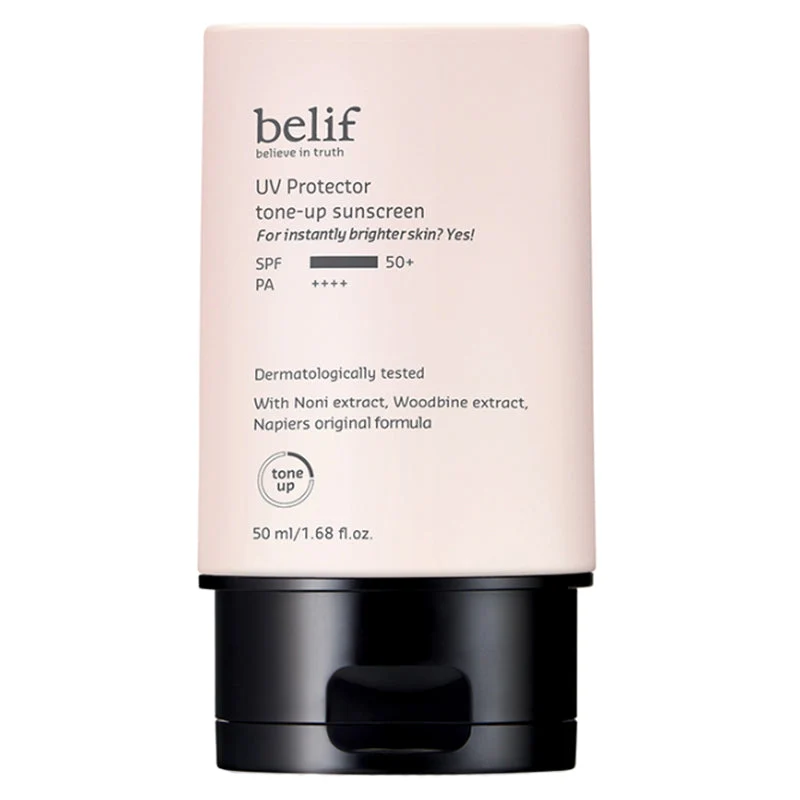
-
Estimated level
- 30–80%
-
Confidence
- Moderate — INCI order above the 1% line
-
Roles
-
Solvent
1st on the list, which puts it at an estimated 30–80% of the formula.
Aqua (EU),Deionized Water,Distilled Water,Micromatrix Fractile AN,Onsen-Sui (JPN),Purified Water
Hydration
3 scientific references
- Skin Research and Technology, May 2015, pages 131-136
- Skin Pharmacology and Applied Skin Physiology, November-December 1999, pages 344-351
- Journal of Cosmetic Science, September-October 1993, pages 249-262
-
Estimated level
- 5–10%
-
Confidence
- High — bounded by a regulatory limit
-
Roles
-
UV filter
2nd on the list. Regulation caps it at 10%, so it is present at roughly 5–10%.
2-Ethylhexyl 4-methoxycinnamate
Anti-Aging
8 scientific references
- 5 Super Anti-Aging Antioxidants Your Skin Needs
- How to Keep Your Neck & Chest Looking Young
- Acne & Aging Skin
- How to Diminish Uneven Skin Tone and Get Your Glow Back
- What Are Peptides and What Do They Do for Skin?
- The Truth About Firming Creams
- Top 5 Reasons to Add Antioxidants to Your Skin Care Routine
- Anti-Aging Superstars
-
Estimated level
- 5–20%
-
Confidence
- Moderate — INCI order above the 1% line
-
Roles
-
Emollient, Solvent
3rd on the list, which puts it at an estimated 5–20% of the formula.
2,2,4,6,6-Pentamethylheptane; Hydrocarbons, C4, 1,3-butadiene-free, polymd., triisobutylene fraction, hydrogenated
-
Estimated level
- 2–10%
-
Confidence
- Moderate — INCI order above the 1% line
-
Roles
-
Texture agent, Solvent
4th on the list, which puts it at an estimated 2–10% of the formula.
1,1'-Oxydipropan-2-ol; Oxydipropan-2-ol; Hydroxypropyloxypropanol
-
Estimated level
- 2–10%
-
Confidence
- Moderate — INCI order above the 1% line
-
Roles
-
UV filter, Occlusive, Texture agent, Preservative
5th on the list, which puts it at an estimated 2–10% of the formula.
Zinc oxide (CI 77947)
Anti-Aging
Soothing
Oil Control
9 scientific references
- Journal of Investigative Dermatology, February 2019, pages 277-278
- Nanomaterials, March 2017, pages 27-31
- Particle and Fibre Toxicology, August 2016, page 44
- International Journal of Cosmetic Science, June 2014, pages 273-283
- Indian Journal of Dermatology, September-October 2012, pages 335-342
- Archives of Toxicology, July 2012, pages 1063-1075
- Photodermatology, Photoimmunology, & Photomedicine, April 2011, pages 58-67
- American Journal of Clinical Dermatology, December 2010, pages 413-421
- https://cosmeticsinfoorg/ingredient/zinc-oxide-0?gclid=CjwKCAjw3_KIBhA2EiwAaAAlipF1YpJBfZrmUbDnK6jm68_2f-GfsdZ770fVI15BFzZJtiFcCJjAWxoC3SkQAvD_BwE
-
Estimated level
- 2–5%
-
Confidence
- High — bounded by a regulatory limit
-
Roles
-
UV filter
6th on the list. Regulation caps it at 5%, so it is present at roughly 2–5%.
2-Ethylhexyl salicylate
Anti-Aging
7 scientific references
- JAMA, January 2020, ePublication
- Cosmetic Ingredient Review, June 2019, pages 1-60
- Photochemical & Photobiological Sciences, June 2019, pages 1, 556–1, 564
- Catalysts, November 2017, ePublication
- Journal of the American Academy of Dermatology, June 2005, pages 937–956
- Skin Pharmacology and Applied Physiology, January-February 2003, pages 28–35
- International Journal of Toxicology, 2003, pages 1–108
-
Estimated level
- 1–5%
-
Confidence
- Moderate — INCI order above the 1% line
-
Roles
-
Surfactant
7th on the list, which puts it at an estimated 1–5% of the formula.
D-Glucitol, 1,4-Anhydro-, 6-monoester with olive oil fatty acids
-
Estimated level
- 1–5%
-
Confidence
- Moderate — INCI order above the 1% line
-
Roles
-
UV filter
8th on the list, which puts it at an estimated 1–5% of the formula.
Benzoic Acid, 2-[4-(Diethylamino)-2-Hydroxybenzoyl]-, Hexyl Ester
Anti-Aging
-
Estimated level
- 1–5%
-
Confidence
- Moderate — INCI order above the 1% line
-
Roles
-
Emollient
9th on the list, which puts it at an estimated 1–5% of the formula.
Carbonic Acid, Dicaprylyl Ester
Hydration
5 scientific references
- OCL, April 2018, pages 1-10
- Journal of Surfactants and Detergents, July 2017, pages 1, 337–1, 349
- Cosmetic Ingredient Review, December 2016, pages 1-50
- https://wwwcir-safetyorg/sites/default/files/dialkyl%20carbonatespdf
- https://wwwulprospectorcom/en/na/PersonalCare/Detail/75/204256/Cetiol-CC
-
Estimated level
- 1–5%
-
Confidence
- Moderate — INCI order above the 1% line
-
Roles
-
Humectant, Occlusive, Texture agent, Solvent
10th on the list, which puts it at an estimated 1–5% of the formula.
Glycerine ;Glycerol (INN); Glycerol (RIFM); Glycerolum (EP); Glycyl Alcohol; 1,2,3-Propanetriol; 1,2,3-Trihydroxypropane
Hydration
Anti-Aging
6 scientific references
- Journal of Pharmaceutical Investigation, March 2021, pages 223-231
- International Journal of Toxicology, November/December 2019, Volume 38, Supplement 3, pages 6S-22S
- International Journal of Cosmetic Science, August 2016, ePublication
- British Journal of Dermatology, July 2008, pages 23-34
- Journal of Cosmetic Dermatology, June 2007, pages 75-82
- Proceedings of the National Academy of Sciences, June 2003, pages 7, 360-7, 365
-
Estimated level
- 1–3%
-
Confidence
- Moderate — INCI order above the 1% line
-
Roles
-
Emollient, Solvent
11th on the list, which puts it at an estimated 1–3% of the formula.
Decamethylcyclopentasiloxane
Hydration
Silicone
4 scientific references
- CosmeticsInfoorg, Accessed May 2021, ePublication
- Regulatory Toxicology and Pharmacology, February 2016, pages S67-S76
- Environmental International, November 2015, pages 55-63
- International Journal of Toxicology, December 2011, pages 149-227
-
Estimated level
- 1–3%
-
Confidence
- Moderate — INCI order above the 1% line
-
Roles
-
Emollient, Solvent
12th on the list, which puts it at an estimated 1–3% of the formula.
Isohexadecane is a branched chain aliphatic hydrocarbon with 16 carbons.
-
Estimated level
- 1–3%
-
Confidence
- Moderate — INCI order above the 1% line
-
Roles
-
Active
13th on the list, which puts it at an estimated 1–3% of the formula.
Niacinamide (vitamin B3) is a gentle skincare active that repairs the skin barrier, calms redness, controls oil and evens tone at 2–5%. Official IUPAC name: **3-Pyridinecarboxamide**
Soothing
Anti-Aging
Pore Minimizer
15 scientific references
- International Journal of Dermatology, February 2021, pages 166-173
- Biomolecules & Therapeutics, July 2019, pages 562-569
- Experimental Dermatology, February 2019, pages 15-22
- Dermatologic Therapy, September 2017, ePublication
- Journal of Investigative Dermatology, May 2017, page S116
- International Journal of Pharmaceutics, March 2017, pages 158-162
- Facial Plastic Surgery Clinics of North America, May 2016, pages 145-152
- Clinical, Cosmetic, and Investigational Dermatology, July 2015, pages 405-412
- Skin Pharmacology and Physiology, June 2014, pages 311-315
- International Journal of Pharmacy, January 2013, pages 192-201
- Dermatoendrocrinology, July 2012, pages 308-319
- International Journal of Toxicology, September 2005, pages 1-31
- Dermatologic Surgery, July 2005, pages 860-865
- International Journal of Cosmetic Science, October 2004, pages 231-238
- Journal of Cosmetic Dermatology, April 2004, pages 88-93
-
Estimated level
- 1–3%
-
Confidence
- Moderate — INCI order above the 1% line
-
Roles
-
UV filter, Texture agent
14th on the list, which puts it at an estimated 1–3% of the formula.
Titanium dioxide (CI 77891)
Anti-Aging
10 scientific references
- Journal of Cosmetic Dermatology, February 2021, pages 532-537
- Frontiers in Bioengineering and Biotechnology, June 2020
- Journal of Nanoparticle Research, March 2020
- Journal of the European Academy of Dermatology and Venereology, November 2019, pages 34-46
- Photodermatology, Photoimmunology and Photomedicine, November 2019, pages 442-446
- Journal of Cosmetic Science, September 2019, pages 223-234
- Materials, July 2019, pages 1-24
- Photodermatology, Photoimmunology, and Photomedicine, April 2011, pages 58-67
- Skin Therapy Letter, July-August 2008, pages 5-7
- Environmental and Health Perspectives, July 2008, pages 893
-
Estimated level
- 1–3%
-
Confidence
- Moderate — INCI order above the 1% line
-
Roles
-
Texture agent
15th on the list, which puts it at an estimated 1–3% of the formula.
1-Octadecanaminium, N,N-dimethyl-N-octadecyl-, chloride, reaction products with hectorite
-
Estimated level
- 1–3%
-
Confidence
- Moderate — INCI order above the 1% line
-
Roles
-
Texture agent
16th on the list, which puts it at an estimated 1–3% of the formula.
Fluorphlogopite, Mg3K[AlF2O(SiO3)3] (synthetic)
-
Estimated level
- 1–3%
-
Confidence
- Moderate — INCI order above the 1% line
-
Roles
-
UV filter
17th on the list, which puts it at an estimated 1–3% of the formula.
2,2'-[6-(4-Methoxyphenyl)-1,3,5-triazine-2,4-diyl]bis[5-[(2-ethylhexyl)oxy]-phenol]
Anti-Aging
-
Estimated level
- 1–3%
-
Confidence
- Moderate — INCI order above the 1% line
-
Roles
-
Active
18th on the list, which puts it at an estimated 1–3% of the formula.
Butanamide, 2,4-dihydroxy-N-(3-hydroxypropyl)-3,3-dimethyl-, (2R)-; dl-Panthenol
Hydration
Soothing
7 scientific references
- The Linus Pauling Institute, Oregon State University, Accessed April 2021, ePublication
- International Journal of Cosmetic Science, December 2019, pages 534-547
- Journal of Cosmetic Dermatology, January 2019, pages 346-354
- Cosmetic Ingredient Review, March 2018, pages 1-51
- The Journal of Dermatological Treatment, August 2017, pages 173-180
- Journal of Cosmetic Science, August 2011, pages 361-370
- American Journal of Clinical Dermatology, Volume 3, 2002, pages 427-433
-
Estimated level
- 1–3%
-
Confidence
- Moderate — INCI order above the 1% line
-
Roles
-
Emollient
19th on the list, which puts it at an estimated 1–3% of the formula.
Benzoic acid, 2-phenylethyl ester
-
Estimated level
- 1–3%
-
Confidence
- Moderate — INCI order above the 1% line
-
Roles
-
Emollient, Antioxidant, Exfoliant, Plant extract
20th on the list, which puts it at an estimated 1–3% of the formula.
Avena Sativa Kernel Extract is an extract of the kernels of the Oat, Avena sativa L., Poaceae
Soothing
-
Estimated level
- 1–3%
-
Confidence
- Moderate — INCI order above the 1% line
-
Roles
-
Plant extract
21st on the list, which puts it at an estimated 1–3% of the formula.
Calendula Officinalis Flower Extract is an extract obrained from the flowers of the Calendula, Calendula officinalis L., Compositae
Anti-Aging
Soothing
-
Estimated level
- 1–3%
-
Confidence
- Moderate — INCI order above the 1% line
-
Roles
-
Plant extract
22nd on the list, which puts it at an estimated 1–3% of the formula.
Nepeta Cataria Extract is an extract of the herb of the Catnip, Nepeta cataria L., Labiatae
-
Estimated level
- 1–3%
-
Confidence
- Moderate — INCI order above the 1% line
-
Roles
-
Plant extract
23rd on the list, which puts it at an estimated 1–3% of the formula.
Rubus Idaeus Leaf Extract is an extract of the leaves of the Raspberry, Rubus idaeus L., Rosaceae
-
Estimated level
- 1–3%
-
Confidence
- Moderate — INCI order above the 1% line
-
Roles
-
Plant extract
24th on the list, which puts it at an estimated 1–3% of the formula.
Baptisia Tinctoria Root Extract is an extract of the roots of the Wild Indigo, Baptisia tinctoria, Leguminosae
-
Estimated level
- 1–3%
-
Confidence
- Moderate — INCI order above the 1% line
-
Roles
-
Plant extract
25th on the list, which puts it at an estimated 1–3% of the formula.
Stellaria Media Extract is an extract of the herb of the Chickweed, Stellaria media (L.), Caryophyllaceae
Anti-Aging
Soothing
-
Estimated level
- under 1%
-
Confidence
- Moderate — listed below the 1% line
-
Roles
-
Antioxidant
26th on the list, below the 1% line — present at under 1%, which for most ingredients is the level they work at.
3,4-Dihydro-2,5,7,8-tetramethyl-2-(4,8,12-trimethyltridecyl)-2H-benzopyran-6-ol; .alpha.-tocopherol; Vitamin E
Anti-Aging
Evens Skin Tone
Soothing
4 scientific references
- Journal or Agricultural and Food Chemistry, June 2010, pages 7013-7020
- Journal of Investigative Dermatology, November 2001, pages 1212-1217
- Canadian Family Physician, July 2006, pages 855-856
- Dermatologic Surgery, April 1999, pages 311-315
-
Estimated level
- under 1%
-
Confidence
- Moderate — listed below the 1% line
-
Roles
-
Plant extract
27th on the list, below the 1% line — present at under 1%, which for most ingredients is the level they work at.
Lonicera Japonica Flower Extract is an extract of the flowers of the Japanese Caprofilia (honeysuckle), Lonicera japonica, Caprifoliaceae
Soothing
8 scientific references
- How to Care for Red, Sensitive Skin
- 7 Best Products for Sensitive Skin
- Skincare Tips for Calming Redness
- Skin-Soothing Ingredients
- How the Paula’s Choice CALM Collection Works
- The Best Moisturizers for Sensitive Skin
- The Best Ways to Treat Acne and Sensitive Skin
- Skin Care for Extremely Dry, Sensitive Skin
-
Estimated level
- under 1%
-
Confidence
- Moderate — listed below the 1% line
-
Roles
-
Plant extract
28th on the list, below the 1% line — present at under 1%, which for most ingredients is the level they work at.
Morinda Citrifolia Fruit Extract is an extract of the fruit of Morinda citrifolia L., Rubiaceae
-
Estimated level
- under 1%
-
Confidence
- Moderate — listed below the 1% line
-
Roles
-
Plant extract
29th on the list, below the 1% line — present at under 1%, which for most ingredients is the level they work at.
Corchorus Olitorius Leaf Extract is an extract of the leaf of the Japanese vegetable Corchorus, Corchorus olitorius L., Tiliaceae
-
Estimated level
- under 1%
-
Confidence
- Moderate — listed below the 1% line
-
Roles
-
Plant extract
30th on the list, below the 1% line — present at under 1%, which for most ingredients is the level they work at.
Hamamelis Virginiana Extract is the extract of the whole plant, Hamamelis virginiana, Hamamelidaceae.
-
Estimated level
- under 1%
-
Confidence
- Moderate — listed below the 1% line
-
Roles
-
Humectant, Soothing, Plant extract
31st on the list, below the 1% line — present at under 1%, which for most ingredients is the level they work at.
Jasminum Officinale Extract is the extract of the whole plant of the Jasmine, Jasminum officinale L., Oleaceae
-
Estimated level
- under 1%
-
Confidence
- Moderate — listed below the 1% line
-
Roles
-
Occlusive
32nd on the list, below the 1% line — present at under 1%, which for most ingredients is the level they work at.
2-Propenoic acid, 2-methyl-, 1,2-ethanediyl ester, polymer with methyl 2-methyl-2-propenoate
Microplastic
-
Estimated level
- under 1%
-
Confidence
- Moderate — listed below the 1% line
-
Roles
-
Emollient, Surfactant
33rd on the list, below the 1% line — present at under 1%, which for most ingredients is the level they work at.
Octanoic acid, monoester with glycerol
Hydration
-
Estimated level
- under 1%
-
Confidence
- Moderate — listed below the 1% line
-
Roles
-
Surfactant
34th on the list, below the 1% line — present at under 1%, which for most ingredients is the level they work at.
12-Hydroxyoctadecanoic acid, homopolymer, diesters with .alpha.-hydro-.omega.-hydroxypoly(oxy-1,2-ethanediyl) (30 mol EO average molar ratio)
-
Estimated level
- under 1%
-
Confidence
- Moderate — listed below the 1% line
-
Roles
-
Humectant, Emollient, Occlusive, Texture agent
35th on the list, below the 1% line — present at under 1%, which for most ingredients is the level they work at.
Aluminium hydroxide
Oil Control
8 scientific references
- Oil-Absorbing Ingredients
- Help for Oily Skin
- Salicylic Acid for Skin
- How BHA Exfoliants Work
- Which BHA Exfoliant is Right for Me?
- Niacinamide Benefits: What Does Niacinamide Do for Skin?
- The Best Toners for Oily Skin
- The Best Moisturizers for Oily, Acne-Prone Skin
-
Estimated level
- under 1%
-
Confidence
- Moderate — listed below the 1% line
-
Roles
-
Emollient, Surfactant, Texture agent
36th on the list, below the 1% line — present at under 1%, which for most ingredients is the level they work at.
Stearic acid
Hydration
4 scientific references
- Cosmetic Ingredient Review, May 2019, pages 1-61
- International Journal of Cosmetic Science, August 2008, page 310
- Therapeutics for the Clinician, May 2005, pages 317-324
- Journal of Cosmetic Science, December 2003, pages 559-568
-
Estimated level
- under 1%
-
Confidence
- Moderate — listed below the 1% line
-
Roles
-
Texture agent
37th on the list, below the 1% line — present at under 1%, which for most ingredients is the level they work at.
Silane, triethoxyoctyl-
-
Estimated level
- under 1%
-
Confidence
- Moderate — listed below the 1% line
38th on the list, below the 1% line — present at under 1%, which for most ingredients is the level they work at.
1,2-Propanediol, 3-(2-ethylhexyloxy)
Hydration
5 scientific references
- PLoS One, October 2016, ePublication
- Contact Dermatitis, May 2016, pages 281-288
- International Journal of Toxicology, September 2013, pages 5S-21S
- Personal Care, 2008, pages 1-4
- Cosmetic Science Technology, 2006, pages 1-11
-
Estimated level
- under 1%
-
Confidence
- Moderate — listed below the 1% line
-
Roles
-
Emollient
39th on the list, below the 1% line — present at under 1%, which for most ingredients is the level they work at.
Propanoic acid, 2,2-dimethyl-, isodecyl ester
Hydration
-
Estimated level
- under 1%
-
Confidence
- Moderate — listed below the 1% line
-
Roles
-
Texture agent
40th on the list, below the 1% line — present at under 1%, which for most ingredients is the level they work at.
Magnesium sulphate
Sulfate
-
Estimated level
- under 1%
-
Confidence
- Moderate — listed below the 1% line
-
Roles
-
Humectant, Texture agent, Solvent
41st on the list, below the 1% line — present at under 1%, which for most ingredients is the level they work at.
Butane-1,3-diol (CAS No. 107-88-0/ EC No. 203-529-7)
(R)-(-)-butane-1,3-diol” (CAS No. 6290-03-5/ EC No. 228-532-0)
Hydration
5 scientific references
- CosmeticsInfoorg, Accessed March 2021, ePublication
- US Food and Drug Administration Code of Federal Regulations</em>, Accessed March 2021, ePublication
- International Journal of Toxicology, May 2011, pages 5S-16S
- Skin Research and Technology, November 2007, pages 417-24
- Journal of the American College of Toxicology, September 1985, pages 223-248
-
Estimated level
- under 1%
-
Confidence
- Moderate — listed below the 1% line
-
Roles
-
Texture agent, Fragrance / colour
42nd on the list, below the 1% line — present at under 1%, which for most ingredients is the level they work at.
Mica is a series of silicate minerals of varying chemical composition but with similar physical properties. Mica may have well-defined cleavage and split into very thin sheets.
-
Estimated level
- under 1%
-
Confidence
- Moderate — listed below the 1% line
-
Roles
-
Texture agent
43rd on the list, below the 1% line — present at under 1%, which for most ingredients is the level they work at.
Iron Powder is the element consisting of powdered metallic iron
-
Estimated level
- under 1%
-
Confidence
- Moderate — listed below the 1% line
-
Roles
-
Exfoliant, Texture agent
44th on the list, below the 1% line — present at under 1%, which for most ingredients is the level they work at.
Tin dioxide (CI 77861)
-
Estimated level
- under 1%
-
Confidence
- Moderate — listed below the 1% line
45th on the list, below the 1% line — present at under 1%, which for most ingredients is the level they work at.
1-(1-Oxohexadecyl)-L-proline
Hydration
-
Estimated level
- under 1%
-
Confidence
- Moderate — listed below the 1% line
46th on the list, below the 1% line — present at under 1%, which for most ingredients is the level they work at.
Dihydrogen Bis[N-Palmitoyl-L-Glutamato(2-)-N,O]Magnesate(2-)
Hydration
-
Estimated level
- under 1%
-
Confidence
- Moderate — listed below the 1% line
-
Roles
-
Surfactant
47th on the list, below the 1% line — present at under 1%, which for most ingredients is the level they work at.
Sodium N-methyl-N-(1-oxohexadecyl)aminoacetate
Hydration
-
Estimated level
- under 1%
-
Confidence
- Moderate — listed below the 1% line
48th on the list, below the 1% line — present at under 1%, which for most ingredients is the level they work at.
Silicones and siloxanes, diphenyl, trimethylsilyloxy phenyl, trimethylsilyl terminated
Silicone
-
Estimated level
- under 1%
-
Confidence
- Moderate — listed below the 1% line
-
Roles
-
Emollient, Surfactant
49th on the list, below the 1% line — present at under 1%, which for most ingredients is the level they work at.
Hexadecanoic acid
-
Estimated level
- under 1%
-
Confidence
- Moderate — listed below the 1% line
50th on the list, below the 1% line — present at under 1%, which for most ingredients is the level they work at.
Triethoxysilylethyl polydimethylsiloxyethyl hexyl dimethicone
Hydration
Silicone
-
Estimated level
- under 1%
-
Confidence
- Moderate — listed below the 1% line
-
Roles
-
Solvent
51st on the list, below the 1% line — present at under 1%, which for most ingredients is the level they work at.
-
Estimated level
- under 1%
-
Confidence
- Moderate — listed below the 1% line
52nd on the list, below the 1% line — present at under 1%, which for most ingredients is the level they work at.
Citrus Sinensis Oil,Orange Oil,Orange oil terpeneless (Citrus sinensis (L.) Osbeck) (RIFM),Orange peel oil, sweet (Citrus sinensis (L.) Osbeck) (RIFM),Orange Yu (JPN)
Allergen
-
Estimated level
- under 1%
-
Confidence
- Moderate — listed below the 1% line
53rd on the list, below the 1% line — present at under 1%, which for most ingredients is the level they work at.
Ricinus Communis Seed Oil is the fixed oil obtained from the seeds of Castor, Ricinus communis, Euphorbiaceae
-
Estimated level
- under 1%
-
Confidence
- Moderate — listed below the 1% line
54th on the list, below the 1% line — present at under 1%, which for most ingredients is the level they work at.
Citrus Limon Peel Oil is the volatile oil obtained from the fresh peel of the Lemon, Citrus limon (L.), Rutaceae
Allergen
-
Estimated level
- under 1%
-
Confidence
- Moderate — listed below the 1% line
-
Roles
-
Surfactant
55th on the list, below the 1% line — present at under 1%, which for most ingredients is the level they work at.
Citrus Aurantifolia Oil is the volatile oil obtained from the fruits of the Lime, Citrus aurantifolia, Rutaceae
-
Estimated level
- under 1%
-
Confidence
- Moderate — listed below the 1% line
56th on the list, below the 1% line — present at under 1%, which for most ingredients is the level they work at.
Citrus Grandis Peel Oil is the volatile oil obtained from the peel of the Grapefruit, Citrus grandis, Rutaceae
-
Estimated level
- under 1%
-
Confidence
- Moderate — listed below the 1% line
57th on the list, below the 1% line — present at under 1%, which for most ingredients is the level they work at.
Citrus Aurantium Bergamia Fruit Oil is the psoralen-free volatile oil obtained from the fruit of Citrus aurantium L. var. bergamia, Rutaceae; Oils, bergamot; bergamot oil bergaptene free
-
Estimated level
- under 1%
-
Confidence
- Moderate — listed below the 1% line
58th on the list, below the 1% line — present at under 1%, which for most ingredients is the level they work at.
Juniperus Virginiana Oil is the volatile oil obtained from the fruits and leaves of the Red Cedar, Juniperus virginiana L., Cupressaceae
Allergen
-
Estimated level
- under 1%
-
Confidence
- Moderate — listed below the 1% line
59th on the list, below the 1% line — present at under 1%, which for most ingredients is the level they work at.
Illicium Verum Fruit/Seed Oil is the volatile oil derived from the dried, ripe fruits and seeds of Star Anise, Illicium verum, Illiciaceae
-
Estimated level
- under 1%
-
Confidence
- Moderate — listed below the 1% line
60th on the list, below the 1% line — present at under 1%, which for most ingredients is the level they work at.
Salvia Sclarea Oil is a volatile oil obtained from the Clary Sage, Salvia sclarea L., Lamiaceae
-
Estimated level
- under 1%
-
Confidence
- Moderate — listed below the 1% line
61st on the list, below the 1% line — present at under 1%, which for most ingredients is the level they work at.
Eugenia Caroyphyllus Leaf Oil is an essential oil steam-distilled from the leaves of the Clove, Eugenia caryophyllus, Myrtaceae
Allergen
-
Estimated level
- under 1%
-
Confidence
- Moderate — listed below the 1% line
-
Roles
-
Occlusive
62nd on the list, below the 1% line — present at under 1%, which for most ingredients is the level they work at.
Styrax Benzoin Gum is a balsamic resin obtained from the Benzoin, Styrax benzoin, Styracaceae. It is a product which may contain resin acids and their esters, terpenes, and oxidation or polymerisation products of these terpenes
-
Estimated level
- under 1%
-
Confidence
- Moderate — listed below the 1% line
-
Roles
-
Preservative
63rd on the list, below the 1% line — present at under 1%, which for most ingredients is the level they work at.
Galbanum Oil. Ferula Galbaniflua Resin Oil is the essential oil obtained from the resin of the Galbanum, Ferula galbaniflua, Apiaceae
-
Estimated level
- under 1%
-
Confidence
- Moderate — listed below the 1% line
64th on the list, below the 1% line — present at under 1%, which for most ingredients is the level they work at.
Pelargonium Graveolens Flower Oil is the volatile oil obtained from the flowers of the Bourbon Geranium, Pelargonium graveolens (L.), Geraniaceae
Allergen
-
Estimated level
- under 1%
-
Confidence
- Moderate — listed below the 1% line
65th on the list, below the 1% line — present at under 1%, which for most ingredients is the level they work at.
Cananga Odorata Flower Oil is the oil obtained from the flower, Cananga odorata, Anonaceae. Definitions in ISO 3063
Allergen
-
Estimated level
- under 1%
-
Confidence
- Moderate — listed below the 1% line
66th on the list, below the 1% line — present at under 1%, which for most ingredients is the level they work at.
Litsea Cubeba Fruit Oil is the volatile oil obtained from the berries of the Litsea cubeba, Lauraceae
-
Estimated level
- under 1%
-
Confidence
- Moderate — listed below the 1% line
-
Roles
-
Fragrance / colour
67th on the list, below the 1% line — present at under 1%, which for most ingredients is the level they work at.
2,6-Octadienal, 3,7-dimethyl-; 3,7-Dimethyl-2,6-octadienal
Allergen
-
Estimated level
- under 1%
-
Confidence
- Moderate — listed below the 1% line
-
Roles
-
Solvent, Fragrance / colour
68th on the list, below the 1% line — present at under 1%, which for most ingredients is the level they work at.
1-Methyl-4-Isopropenylcyclohexene; dipentene
Allergen