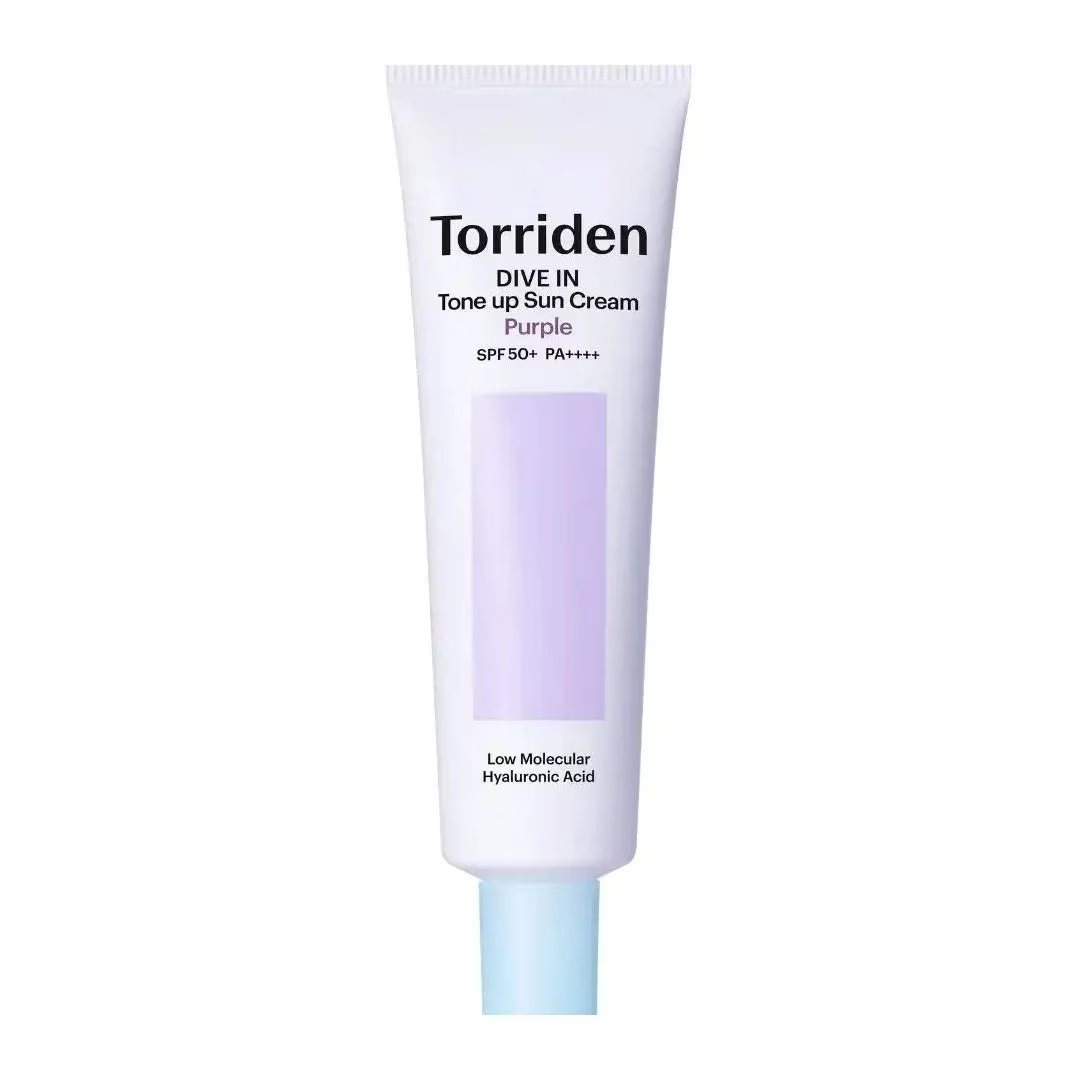
-
Estimated level
- 30–80%
-
Confidence
- Moderate — INCI order above the 1% line
-
Roles
-
Solvent
1st on the list, which puts it at an estimated 30–80% of the formula.
Aqua (EU),Deionized Water,Distilled Water,Micromatrix Fractile AN,Onsen-Sui (JPN),Purified Water
Hydration
3 scientific references
- Skin Research and Technology, May 2015, pages 131-136
- Skin Pharmacology and Applied Skin Physiology, November-December 1999, pages 344-351
- Journal of Cosmetic Science, September-October 1993, pages 249-262
-
Estimated level
- 5–20%
-
Confidence
- Moderate — INCI order above the 1% line
-
Roles
-
Solvent
2nd on the list, which puts it at an estimated 5–20% of the formula.
Benzoic acid, 2-hydroxy-, 2-butyloctyl ester
Hydration
4 scientific references
- Cosmetic Ingredient Review, June 2019, pages 1-60
- https://onlinepersonalcarecouncilorg/ctfa-static/online/lists/cir-pdfs/FR766pdf
- International Journal of Toxicology, 2003, pages 1-108
- https://wwwdeepdyvecom/lp/sage/safety-assessment-of-salicylic-acid-butyloctyl-salicylate-calcium-klHNmxZGsR?articleList=%2Fsearch%3Fquery%3Dbutyloctyl%2Bsalicylate
-
Estimated level
- 5–20%
-
Confidence
- Moderate — INCI order above the 1% line
-
Roles
-
Emollient, Occlusive, Solvent
3rd on the list, which puts it at an estimated 5–20% of the formula.
Dibutyl adipate
Hydration
-
Estimated level
- 2–10%
-
Confidence
- Moderate — INCI order above the 1% line
-
Roles
-
Texture agent, Solvent
4th on the list, which puts it at an estimated 2–10% of the formula.
1,3-dihydroxypropane
Hydration
4 scientific references
- PubChem Compound Summary, April 2021, ePublication
- SpecialChem, Accessed April 2021, ePublication
- Cosmetic Ingredient Review, June 2018, pages 1-73
- Cosmetics & Toiletries, May 2013, pages 81-86
-
Estimated level
- 2–5%
-
Confidence
- High — bounded by a regulatory limit
-
Roles
-
UV filter
5th on the list. Regulation caps it at 5%, so it is present at roughly 2–5%.
Benzoic acid, 4,4',4''-(1,3,5-triazine-2,4,6-triyltriimino)tris-,tris(2-ethylhexyl) ester; octyl triazone
Anti-Aging
-
Estimated level
- 2–10%
-
Confidence
- Moderate — INCI order above the 1% line
-
Roles
-
UV filter, Texture agent
6th on the list, which puts it at an estimated 2–10% of the formula.
Titanium dioxide (CI 77891)
Anti-Aging
10 scientific references
- Journal of Cosmetic Dermatology, February 2021, pages 532-537
- Frontiers in Bioengineering and Biotechnology, June 2020
- Journal of Nanoparticle Research, March 2020
- Journal of the European Academy of Dermatology and Venereology, November 2019, pages 34-46
- Photodermatology, Photoimmunology and Photomedicine, November 2019, pages 442-446
- Journal of Cosmetic Science, September 2019, pages 223-234
- Materials, July 2019, pages 1-24
- Photodermatology, Photoimmunology, and Photomedicine, April 2011, pages 58-67
- Skin Therapy Letter, July-August 2008, pages 5-7
- Environmental and Health Perspectives, July 2008, pages 893
-
Estimated level
- 1–5%
-
Confidence
- Moderate — INCI order above the 1% line
-
Roles
-
Humectant, Solvent
7th on the list, which puts it at an estimated 1–5% of the formula.
2,3-Butylene Glycol
Hydration
3 scientific references
- Journal of Industrial Microbiology and Biotechnology, November 2019, pages 1, 583–1, 601
- Biotechnology Advanced, May 2011, pages 351–364
- Applied Microbiology and Biotechnology, January 2001, pages 10–18
-
Estimated level
- 1–5%
-
Confidence
- Moderate — INCI order above the 1% line
-
Roles
-
Texture agent
8th on the list, which puts it at an estimated 1–5% of the formula.
Polymer formed by hydrolysis and condensation of methyltrimethoxysilane
Microplastic
-
Estimated level
- 1–5%
-
Confidence
- Moderate — INCI order above the 1% line
-
Roles
-
UV filter
9th on the list, which puts it at an estimated 1–5% of the formula.
Benzoic Acid, 2-[4-(Diethylamino)-2-Hydroxybenzoyl]-, Hexyl Ester
Anti-Aging
-
Estimated level
- 1–5%
-
Confidence
- Moderate — INCI order above the 1% line
-
Roles
-
Active
10th on the list, which puts it at an estimated 1–5% of the formula.
Niacinamide (vitamin B3) is a gentle skincare active that repairs the skin barrier, calms redness, controls oil and evens tone at 2–5%. Official IUPAC name: **3-Pyridinecarboxamide**
Soothing
Anti-Aging
Pore Minimizer
15 scientific references
- International Journal of Dermatology, February 2021, pages 166-173
- Biomolecules & Therapeutics, July 2019, pages 562-569
- Experimental Dermatology, February 2019, pages 15-22
- Dermatologic Therapy, September 2017, ePublication
- Journal of Investigative Dermatology, May 2017, page S116
- International Journal of Pharmaceutics, March 2017, pages 158-162
- Facial Plastic Surgery Clinics of North America, May 2016, pages 145-152
- Clinical, Cosmetic, and Investigational Dermatology, July 2015, pages 405-412
- Skin Pharmacology and Physiology, June 2014, pages 311-315
- International Journal of Pharmacy, January 2013, pages 192-201
- Dermatoendrocrinology, July 2012, pages 308-319
- International Journal of Toxicology, September 2005, pages 1-31
- Dermatologic Surgery, July 2005, pages 860-865
- International Journal of Cosmetic Science, October 2004, pages 231-238
- Journal of Cosmetic Dermatology, April 2004, pages 88-93
-
Estimated level
- 1–3%
-
Confidence
- Moderate — INCI order above the 1% line
-
Roles
-
UV filter
11th on the list, which puts it at an estimated 1–3% of the formula.
Phenol,2-(2H-Benzotriazol-2-yl)-4-Methyl-6-(2-Methyl-3-(1,3,3,3-Tetramethyl-1-(Trimethylsilyl)Oxy)-Disiloxanyl)Propyl
Anti-Aging
-
Estimated level
- 1–3%
-
Confidence
- Moderate — INCI order above the 1% line
-
Roles
-
UV filter
12th on the list, which puts it at an estimated 1–3% of the formula.
2,2'-Methylene-bis-(6-(2H-benzotriazol-2-yl)-4-(1,1,3,3-tetramethylbutyl)phenol)
Anti-Aging
8 scientific references
- 5 Super Anti-Aging Antioxidants Your Skin Needs
- How to Keep Your Neck & Chest Looking Young
- Acne & Aging Skin
- How to Diminish Uneven Skin Tone and Get Your Glow Back
- What Are Peptides and What Do They Do for Skin?
- The Truth About Firming Creams
- Top 5 Reasons to Add Antioxidants to Your Skin Care Routine
- Anti-Aging Superstars
-
Estimated level
- 1–3%
-
Confidence
- Moderate — INCI order above the 1% line
-
Roles
-
Occlusive
13th on the list, which puts it at an estimated 1–3% of the formula.
2-Propenoic acid, 2-methyl-, 1,2-ethanediyl ester, polymer with methyl 2-methyl-2-propenoate
Microplastic
-
Estimated level
- 1–3%
-
Confidence
- Moderate — INCI order above the 1% line
-
Roles
-
Exfoliant, Texture agent
14th on the list, which puts it at an estimated 1–3% of the formula.
Silicon dioxide
Oil Control
6 scientific references
- Advances in Colloid and Interface Science, July 2021, page 10, 2437
- Cosmetic Ingredient Review, October 2019, pages 1-34
- Nanomedicine, August 2019, pages 2, 243-2, 267
- Biological and Pharmaceutical Bulletin, 2016, pages 1, 201-1, 205
- European Journal of Pharmaceutics and Biopharmaceutics, January 2015, pages 116-125
- Cosmetics & Toiletries, April 2015, pages 36-45
-
Estimated level
- under 1%
-
Confidence
- Moderate — listed below the 1% line
-
Roles
-
Solvent
15th on the list, below the 1% line — present at under 1%, which for most ingredients is the level they work at.
-
Estimated level
- under 1%
-
Confidence
- Moderate — listed below the 1% line
-
Roles
-
Emollient
16th on the list, below the 1% line — present at under 1%, which for most ingredients is the level they work at.
Carbonic Acid, Dicaprylyl Ester
Hydration
5 scientific references
- OCL, April 2018, pages 1-10
- Journal of Surfactants and Detergents, July 2017, pages 1, 337–1, 349
- Cosmetic Ingredient Review, December 2016, pages 1-50
- https://wwwcir-safetyorg/sites/default/files/dialkyl%20carbonatespdf
- https://wwwulprospectorcom/en/na/PersonalCare/Detail/75/204256/Cetiol-CC
-
Estimated level
- under 1%
-
Confidence
- Moderate — listed below the 1% line
-
Roles
-
Occlusive, Texture agent
17th on the list, below the 1% line — present at under 1%, which for most ingredients is the level they work at.
2-propenoic acid, 2-methyl-, polymer with ethyl 2-propenoate and methyl 2-methyl-2-propenoate
Hydration
Synthetic polymer
3 scientific references
- CosmeticsInfoorg, Accessed October 2021, ePublication
- Cosmetic Ingredient Review, January 2019, pages 1-42
- Swiss Society of Chemists, September 2015, ePublication
-
Estimated level
- under 1%
-
Confidence
- Moderate — listed below the 1% line
18th on the list, below the 1% line — present at under 1%, which for most ingredients is the level they work at.
1,1,1,3,5,5,5-Heptamethyl-3-octyl-trisiloxane
Hydration
Silicone
-
Estimated level
- under 1%
-
Confidence
- Moderate — listed below the 1% line
-
Roles
-
Solvent
19th on the list, below the 1% line — present at under 1%, which for most ingredients is the level they work at.
1,2-Dihydroxypentane
Hydration
4 scientific references
- https://thedermreviewcom/pentylene-glycol/
- Regulatory Toxicology and Pharmacology, July 2017, pages 106-111
- Prospector, June 2015, ePublication
- International Journal of Toxicology, October 2012, pages 147S-168S
-
Estimated level
- under 1%
-
Confidence
- Moderate — listed below the 1% line
-
Roles
-
Humectant, Active
20th on the list, below the 1% line — present at under 1%, which for most ingredients is the level they work at.
Hyaluronic acid, sodium, salt
Hydration
Anti-Aging
Soothing
5 scientific references
- Der Hautarzt; Zeitschrift fur Dermatologie, Venerologie, und Verwandte Gebiete, December 2017, pages 987-993
- Journal of Cosmetic Dermatology, July 2014, pages 277-287
- Journal of Clinical and Aesthetic Dermatology, October 2012, pages 20-23
- DermatoEndocrinology, July-December 2012, pages 253-258
- Journal of Drugs in Dermatology, September 2011, pages 990-1000
-
Estimated level
- under 1%
-
Confidence
- Moderate — listed below the 1% line
-
Roles
-
Humectant, Active
21st on the list, below the 1% line — present at under 1%, which for most ingredients is the level they work at.
Hyaluronic acid
Anti-Aging
Hydration
5 scientific references
- Journal of Evidence-Based, Complementary and Alternative Medicine, October 2017, pages 816-823
- Journal of Medicinal Food, October 2016, pages 1, 172-1, 179
- Nutrition Journal, July 2013, ePublication
- Journal of Drugs in Dermatology, 2011, issue 9, pages 990-1000
- Journal of Clinical and Aesthetic Dermatology, March 2009, pages 38-43
-
Estimated level
- under 1%
-
Confidence
- Moderate — listed below the 1% line
22nd on the list, below the 1% line — present at under 1%, which for most ingredients is the level they work at.
Hydrolyzed Sodium Hyaluronate is the hydrolysate of Sodium Hyaluronate derived by acid, enzyme or other method of hydrolysis
Hydration
-
Estimated level
- under 1%
-
Confidence
- Moderate — listed below the 1% line
-
Roles
-
Humectant, Active
23rd on the list, below the 1% line — present at under 1%, which for most ingredients is the level they work at.
Hydrolyzed Hyaluronic Acid is the hydrolysate of Hyaluronic Acid derived by acid, enzyme or other method of hydrolysis
Hydration
-
Estimated level
- under 1%
-
Confidence
- Moderate — listed below the 1% line
-
Roles
-
Humectant, Active
24th on the list, below the 1% line — present at under 1%, which for most ingredients is the level they work at.
Sodium Acetylhyaluronate
Hydration
Anti-Aging
-
Estimated level
- under 1%
-
Confidence
- Moderate — listed below the 1% line
-
Roles
-
Humectant, Active
25th on the list, below the 1% line — present at under 1%, which for most ingredients is the level they work at.
Hyaluronic acid, sodium salt, polymer with 1,1'-sulfonylbis[ethene]
Hydration
Anti-Aging
Soothing
-
Estimated level
- under 1%
-
Confidence
- Moderate — listed below the 1% line
-
Roles
-
Active
26th on the list, below the 1% line — present at under 1%, which for most ingredients is the level they work at.
Hyaluronic acid, potassium salt
-
Estimated level
- under 1%
-
Confidence
- Moderate — listed below the 1% line
-
Roles
-
Humectant
27th on the list, below the 1% line — present at under 1%, which for most ingredients is the level they work at.
Dimethylsilanol Hyaluronate is the ester of dimethylsilanol and hyaluronic acid.
-
Estimated level
- under 1%
-
Confidence
- Moderate — listed below the 1% line
-
Roles
-
Occlusive
28th on the list, below the 1% line — present at under 1%, which for most ingredients is the level they work at.
Hyaluronic acid, 2-hydroxy-3-(N,N,N-trimethylammonio)propyl chloride derivatives
-
Estimated level
- under 1%
-
Confidence
- Moderate — listed below the 1% line
-
Roles
-
Humectant
29th on the list, below the 1% line — present at under 1%, which for most ingredients is the level they work at.
Hyaluronic acid, sodium salt, compd. with dimethylsilanediol
-
Estimated level
- under 1%
-
Confidence
- Moderate — listed below the 1% line
-
Roles
-
Active
30th on the list, below the 1% line — present at under 1%, which for most ingredients is the level they work at.
Butanamide, 2,4-dihydroxy-N-(3-hydroxypropyl)-3,3-dimethyl-, (2R)-; dl-Panthenol
Hydration
Soothing
7 scientific references
- The Linus Pauling Institute, Oregon State University, Accessed April 2021, ePublication
- International Journal of Cosmetic Science, December 2019, pages 534-547
- Journal of Cosmetic Dermatology, January 2019, pages 346-354
- Cosmetic Ingredient Review, March 2018, pages 1-51
- The Journal of Dermatological Treatment, August 2017, pages 173-180
- Journal of Cosmetic Science, August 2011, pages 361-370
- American Journal of Clinical Dermatology, Volume 3, 2002, pages 427-433
-
Estimated level
- under 1%
-
Confidence
- Moderate — listed below the 1% line
-
Roles
-
Occlusive, Soothing
31st on the list, below the 1% line — present at under 1%, which for most ingredients is the level they work at.
Urea, (2,5-dioxo-4-imidazolidinyl)-
Soothing
8 scientific references
- Chemistry Series, March 2020, pages 7-21
- Molecules, June 2019, pages 1-33
- European Journal of Pharmacology, February 2018, pages 68-78
- Journal of the American Academy of Dermatology, June 2017, Volume 76, Issue 2, Supplement 1
- Pharmacognosy Review, Volume 5, July-December 2011
- International Journal of Toxicology, May 2010, Supplement, pages 84S-97S
- Journal of Occupational Medicine and Toxicology, October 2008, ePublication
- https://wwwaccessdatafdagov/scripts/cdrh/cfdocs/cfcfr/CFRSearchcfm?CFRPart=347&showFR=1
-
Estimated level
- under 1%
-
Confidence
- Moderate — listed below the 1% line
32nd on the list, below the 1% line — present at under 1%, which for most ingredients is the level they work at.
6-Amino-9-beta-D-ribofuranosyl-9H-purine
Soothing
8 scientific references
- PubChem, Accessed May 2021, ePublication
- Cosmetic Ingredient Review, September 2020, pages 1-38
- Experimental Dermatology, August 2014, pages 553-554
- Journal of Investigative Dermatology, August 2011, pages 526-546
- International Journal of Cosmetic Science, December 2006, pages 447-451
- British Journal of Pharmacology, October 2008, issue 4, pages 475-486
- PloS One, May 2008 (ePublication)
- >International Journal of Cosmetic Science, August 2006, pages 447-451
-
Estimated level
- under 1%
-
Confidence
- Moderate — listed below the 1% line
33rd on the list, below the 1% line — present at under 1%, which for most ingredients is the level they work at.
Glycine, N-(N-L-.gamma.-glutamyl-L-cysteinyl)-
Anti-Aging
8 scientific references
- Journal of Cosmetic Dermatology, June 2019, pages 728–737
- Clinical Cosmetic and Investigative Dermatology, April 2017, pages 147-153 and October 2014, pages 267-274
- Nutrients, August 2017, pages 1-27
- DermatoEndocrinology, July 2012, pages 308-319
- Journal of Agricultural and Food Chemistry, 2011, pages 3, 940-3, 949
- The Dermatologist, October 2011, volume 19, issue 10
- Journal of Dermatologic Science, May 2010, pages 85-90
- Free Radical Biology and Medicine, October 1994, pages 333-349
-
Estimated level
- under 1%
-
Confidence
- Moderate — listed below the 1% line
-
Roles
-
Humectant, Occlusive, Texture agent, Solvent
34th on the list, below the 1% line — present at under 1%, which for most ingredients is the level they work at.
Glycerine ;Glycerol (INN); Glycerol (RIFM); Glycerolum (EP); Glycyl Alcohol; 1,2,3-Propanetriol; 1,2,3-Trihydroxypropane
Hydration
Anti-Aging
6 scientific references
- Journal of Pharmaceutical Investigation, March 2021, pages 223-231
- International Journal of Toxicology, November/December 2019, Volume 38, Supplement 3, pages 6S-22S
- International Journal of Cosmetic Science, August 2016, ePublication
- British Journal of Dermatology, July 2008, pages 23-34
- Journal of Cosmetic Dermatology, June 2007, pages 75-82
- Proceedings of the National Academy of Sciences, June 2003, pages 7, 360-7, 365
-
Estimated level
- under 1%
-
Confidence
- Moderate — listed below the 1% line
-
Roles
-
Surfactant
35th on the list, below the 1% line — present at under 1%, which for most ingredients is the level they work at.
Sodium hydrogen N-(1-oxooctadecyl)-L-glutamate
Hydration
-
Estimated level
- under 1%
-
Confidence
- Moderate — listed below the 1% line
-
Roles
-
Texture agent
36th on the list, below the 1% line — present at under 1%, which for most ingredients is the level they work at.
Silane, triethoxyoctyl-
-
Estimated level
- under 1%
-
Confidence
- Moderate — listed below the 1% line
-
Roles
-
Texture agent
37th on the list, below the 1% line — present at under 1%, which for most ingredients is the level they work at.
2,2-Dimethyl-2-(2'-propenamido)ethanesulfonic acid, sodium salt, homopolymer
-
Estimated level
- under 1%
-
Confidence
- Moderate — listed below the 1% line
-
Roles
-
Emollient, Occlusive, Texture agent
38th on the list, below the 1% line — present at under 1%, which for most ingredients is the level they work at.
2-Propenoic acid, homopolymer, sodium salt
Oil Control
Synthetic polymer
7 scientific references
- International Food Research Journal, February 2021, pages 44 - 55
- Journal of Nanoscience and Nanotechnology, March 2018, pages 1, 611-1, 614
- Industrial & Engineering Chemistry Research, November 2014, pages 18, 346-18, 351
- Journal of Applied Polymer Science, November 2001, pages 1, 515-1, 520
- United States Patent, April 2000, ePublication
- https://wwwsocochemcom/is-sodium-polyacrylate-safehtml
- https://wwwcir-safetyorg/sites/default/files/acryco092018TARpdf
-
Estimated level
- under 1%
-
Confidence
- Moderate — listed below the 1% line
-
Roles
-
Emollient
39th on the list, below the 1% line — present at under 1%, which for most ingredients is the level they work at.
Alcohols, coco, mixed esters with octanoic and decanoic acids
-
Estimated level
- under 1%
-
Confidence
- Moderate — listed below the 1% line
-
Roles
-
Texture agent
40th on the list, below the 1% line — present at under 1%, which for most ingredients is the level they work at.
Polymer of acrylic acid ester and C10-30 alcohol
Microplastic
-
Estimated level
- under 1%
-
Confidence
- Moderate — listed below the 1% line
-
Roles
-
Texture agent
41st on the list, below the 1% line — present at under 1%, which for most ingredients is the level they work at.
Polyacrylate Crosspolymer-6 is a copolymer of ammonium acryloyldimethyltaurate, dimethylacrylamide, lauryl methacrylate and laureth-4 methacrylate, crosslinked with trimethylolpropane triacrylate
Synthetic polymer
-
Estimated level
- under 1%
-
Confidence
- Moderate — listed below the 1% line
-
Roles
-
Surfactant
42nd on the list, below the 1% line — present at under 1%, which for most ingredients is the level they work at.
12-Hydroxyoctadecanoic acid, homopolymer
-
Estimated level
- under 1%
-
Confidence
- Moderate — listed below the 1% line
-
Roles
-
Occlusive, Texture agent
43rd on the list, below the 1% line — present at under 1%, which for most ingredients is the level they work at.
2-Pyrrolidinone, 1-ethenyl-, polymer with 1-eicosene
-
Estimated level
- under 1%
-
Confidence
- Moderate — listed below the 1% line
-
Roles
-
Surfactant, Texture agent
44th on the list, below the 1% line — present at under 1%, which for most ingredients is the level they work at.
D-Glucoside, Decyl
-
Estimated level
- under 1%
-
Confidence
- Moderate — listed below the 1% line
-
Roles
-
Humectant, Emollient, Occlusive, Texture agent
45th on the list, below the 1% line — present at under 1%, which for most ingredients is the level they work at.
Aluminium hydroxide
Oil Control
8 scientific references
- Oil-Absorbing Ingredients
- Help for Oily Skin
- Salicylic Acid for Skin
- How BHA Exfoliants Work
- Which BHA Exfoliant is Right for Me?
- Niacinamide Benefits: What Does Niacinamide Do for Skin?
- The Best Toners for Oily Skin
- The Best Moisturizers for Oily, Acne-Prone Skin
-
Estimated level
- under 1%
-
Confidence
- Moderate — listed below the 1% line
-
Roles
-
Texture agent
46th on the list, below the 1% line — present at under 1%, which for most ingredients is the level they work at.
Hydroxypropyl Methylcellulose Stearoxy Ether is the reaction product of stearyl glycidyl ether and Hydroxypropyl Methylcellulose
-
Estimated level
- under 1%
-
Confidence
- Moderate — listed below the 1% line
-
Roles
-
Texture agent
47th on the list, below the 1% line — present at under 1%, which for most ingredients is the level they work at.
Copolymer of PEG-180, dodoxynol-5, PEG-25 tristyrylphenol and tetramethoxymethylglycouril monomers
-
Estimated level
- under 1%
-
Confidence
- Moderate — listed below the 1% line
-
Roles
-
Humectant, Texture agent, Solvent
48th on the list, below the 1% line — present at under 1%, which for most ingredients is the level they work at.
Butane-1,3-diol (CAS No. 107-88-0/ EC No. 203-529-7)
(R)-(-)-butane-1,3-diol” (CAS No. 6290-03-5/ EC No. 228-532-0)
Hydration
5 scientific references
- CosmeticsInfoorg, Accessed March 2021, ePublication
- US Food and Drug Administration Code of Federal Regulations</em>, Accessed March 2021, ePublication
- International Journal of Toxicology, May 2011, pages 5S-16S
- Skin Research and Technology, November 2007, pages 417-24
- Journal of the American College of Toxicology, September 1985, pages 223-248
-
Estimated level
- under 1%
-
Confidence
- Moderate — listed below the 1% line
-
Roles
-
Exfoliant, Texture agent
49th on the list, below the 1% line — present at under 1%, which for most ingredients is the level they work at.
Naturally occurring substances, kaolin (CI 77004)
Oil Control
Pore Minimizer
5 scientific references
- Molecules, August 2016, pages 1–20
- The Journal of Clinical and Aesthetic Dermatology, December 2013, pages 19–27
- Complementary Medicine Research, April 2012, pages 75–79
- International Geology Review, July 2010, pages 745–770
- International Journal of Toxicology, 2003, pages 37–102
-
Estimated level
- under 1%
-
Confidence
- Moderate — listed below the 1% line
-
Roles
-
Surfactant, Texture agent
50th on the list, below the 1% line — present at under 1%, which for most ingredients is the level they work at.
Xanthan gum
-
Estimated level
- under 1%
-
Confidence
- Moderate — listed below the 1% line
51st on the list, below the 1% line — present at under 1%, which for most ingredients is the level they work at.
Ultramarines (blue, green, pink, red and violet) are synthetic pigments composed of complex sodium aluminum sulfosilicates having a typical formula Na(AlSiO)S with proportions of each element varying with each colour. To identify the colorant allowed for use in the European Union (EU), the INCI Name CI 77007 must be used.
-
Estimated level
- under 1%
-
Confidence
- Moderate — listed below the 1% line
-
Roles
-
Antioxidant
52nd on the list, below the 1% line — present at under 1%, which for most ingredients is the level they work at.
3,4-Dihydro-2,5,7,8-tetramethyl-2-(4,8,12-trimethyltridecyl)-2H-benzopyran-6-ol; .alpha.-tocopherol; Vitamin E
Anti-Aging
Evens Skin Tone
Soothing
4 scientific references
- Journal or Agricultural and Food Chemistry, June 2010, pages 7013-7020
- Journal of Investigative Dermatology, November 2001, pages 1212-1217
- Canadian Family Physician, July 2006, pages 855-856
- Dermatologic Surgery, April 1999, pages 311-315
-
Estimated level
- under 1%
-
Confidence
- Moderate — listed below the 1% line
53rd on the list, below the 1% line — present at under 1%, which for most ingredients is the level they work at.
1,2-Propanediol, 3-(2-ethylhexyloxy)
Hydration
5 scientific references
- PLoS One, October 2016, ePublication
- Contact Dermatitis, May 2016, pages 281-288
- International Journal of Toxicology, September 2013, pages 5S-21S
- Personal Care, 2008, pages 1-4
- Cosmetic Science Technology, 2006, pages 1-11
-
Estimated level
- under 1%
-
Confidence
- Moderate — listed below the 1% line
-
Roles
-
Plant extract
54th on the list, below the 1% line — present at under 1%, which for most ingredients is the level they work at.
Sphingomonas Ferment Extract is an extract of the product obtained by the fermentation of Sphingomonas