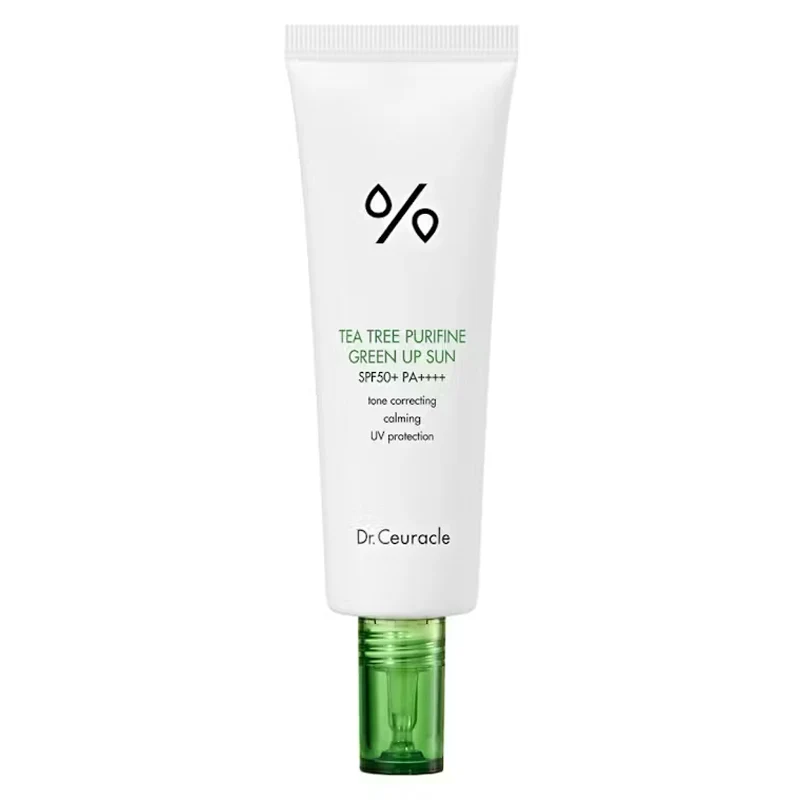
-
Estimated level
- 30–80%
-
Confidence
- Moderate — INCI order above the 1% line
-
Roles
-
Solvent
1st on the list, which puts it at an estimated 30–80% of the formula.
Aqua (EU),Deionized Water,Distilled Water,Micromatrix Fractile AN,Onsen-Sui (JPN),Purified Water
Hydration
3 scientific references
- Skin Research and Technology, May 2015, pages 131-136
- Skin Pharmacology and Applied Skin Physiology, November-December 1999, pages 344-351
- Journal of Cosmetic Science, September-October 1993, pages 249-262
-
Estimated level
- 5–20%
-
Confidence
- Moderate — INCI order above the 1% line
-
Roles
-
UV filter, Occlusive, Texture agent, Preservative
2nd on the list, which puts it at an estimated 5–20% of the formula.
Zinc oxide (CI 77947)
Anti-Aging
Soothing
Oil Control
9 scientific references
- Journal of Investigative Dermatology, February 2019, pages 277-278
- Nanomaterials, March 2017, pages 27-31
- Particle and Fibre Toxicology, August 2016, page 44
- International Journal of Cosmetic Science, June 2014, pages 273-283
- Indian Journal of Dermatology, September-October 2012, pages 335-342
- Archives of Toxicology, July 2012, pages 1063-1075
- Photodermatology, Photoimmunology, & Photomedicine, April 2011, pages 58-67
- American Journal of Clinical Dermatology, December 2010, pages 413-421
- https://cosmeticsinfoorg/ingredient/zinc-oxide-0?gclid=CjwKCAjw3_KIBhA2EiwAaAAlipF1YpJBfZrmUbDnK6jm68_2f-GfsdZ770fVI15BFzZJtiFcCJjAWxoC3SkQAvD_BwE
-
Estimated level
- 5–20%
-
Confidence
- Moderate — INCI order above the 1% line
-
Roles
-
Plant extract, Preservative
3rd on the list, which puts it at an estimated 5–20% of the formula.
Melaleuca Alternifolia Leaf Water is an aqueous solution of the steam distillates obtained from the leaves of the Tea Tree, Melaleuca alternifolia, Myrtaceae
-
Estimated level
- 2–10%
-
Confidence
- Moderate — INCI order above the 1% line
-
Roles
-
Emollient, Preservative
4th on the list, which puts it at an estimated 2–10% of the formula.
Benzoic acid, C12-15 alkyl esters
Hydration
3 scientific references
- The University of Toledo, May 2020, ePublication
- Scientific Journal of the Faculty of Medicine in Nis, December 2013, pages 193-200
- International Journal of Toxicology, November-December 2012, pages 342-372
-
Estimated level
- 2–10%
-
Confidence
- Moderate — INCI order above the 1% line
-
Roles
-
UV filter, Texture agent
5th on the list, which puts it at an estimated 2–10% of the formula.
Titanium dioxide (CI 77891)
Anti-Aging
10 scientific references
- Journal of Cosmetic Dermatology, February 2021, pages 532-537
- Frontiers in Bioengineering and Biotechnology, June 2020
- Journal of Nanoparticle Research, March 2020
- Journal of the European Academy of Dermatology and Venereology, November 2019, pages 34-46
- Photodermatology, Photoimmunology and Photomedicine, November 2019, pages 442-446
- Journal of Cosmetic Science, September 2019, pages 223-234
- Materials, July 2019, pages 1-24
- Photodermatology, Photoimmunology, and Photomedicine, April 2011, pages 58-67
- Skin Therapy Letter, July-August 2008, pages 5-7
- Environmental and Health Perspectives, July 2008, pages 893
-
Estimated level
- 2–10%
-
Confidence
- Moderate — INCI order above the 1% line
-
Roles
-
Humectant, Texture agent, Solvent
6th on the list, which puts it at an estimated 2–10% of the formula.
Butane-1,3-diol (CAS No. 107-88-0/ EC No. 203-529-7)
(R)-(-)-butane-1,3-diol” (CAS No. 6290-03-5/ EC No. 228-532-0)
Hydration
5 scientific references
- CosmeticsInfoorg, Accessed March 2021, ePublication
- US Food and Drug Administration Code of Federal Regulations</em>, Accessed March 2021, ePublication
- International Journal of Toxicology, May 2011, pages 5S-16S
- Skin Research and Technology, November 2007, pages 417-24
- Journal of the American College of Toxicology, September 1985, pages 223-248
-
Estimated level
- 1–5%
-
Confidence
- Moderate — INCI order above the 1% line
-
Roles
-
Solvent
7th on the list, which puts it at an estimated 1–5% of the formula.
Benzoic acid, 2-hydroxy-, 2-butyloctyl ester
Hydration
4 scientific references
- Cosmetic Ingredient Review, June 2019, pages 1-60
- https://onlinepersonalcarecouncilorg/ctfa-static/online/lists/cir-pdfs/FR766pdf
- International Journal of Toxicology, 2003, pages 1-108
- https://wwwdeepdyvecom/lp/sage/safety-assessment-of-salicylic-acid-butyloctyl-salicylate-calcium-klHNmxZGsR?articleList=%2Fsearch%3Fquery%3Dbutyloctyl%2Bsalicylate
-
Estimated level
- 1–5%
-
Confidence
- Moderate — INCI order above the 1% line
-
Roles
-
Texture agent
8th on the list, which puts it at an estimated 1–5% of the formula.
Dimethicone/Vinyl Dimethicone Crosspolymer is a crosslinked dimethyl siloxane polymer (silicone elastomer) that is formed by the reaction between Hydrogen Dimethicone or Bis-Hydrogen Dimethicone, and Vinyl Dimethicone or Bis-Vinyldimethicone.
Silicone
-
Estimated level
- 1–5%
-
Confidence
- Moderate — INCI order above the 1% line
-
Roles
-
Active
9th on the list, which puts it at an estimated 1–5% of the formula.
Niacinamide (vitamin B3) is a gentle skincare active that repairs the skin barrier, calms redness, controls oil and evens tone at 2–5%. Official IUPAC name: **3-Pyridinecarboxamide**
Soothing
Anti-Aging
Pore Minimizer
15 scientific references
- International Journal of Dermatology, February 2021, pages 166-173
- Biomolecules & Therapeutics, July 2019, pages 562-569
- Experimental Dermatology, February 2019, pages 15-22
- Dermatologic Therapy, September 2017, ePublication
- Journal of Investigative Dermatology, May 2017, page S116
- International Journal of Pharmaceutics, March 2017, pages 158-162
- Facial Plastic Surgery Clinics of North America, May 2016, pages 145-152
- Clinical, Cosmetic, and Investigational Dermatology, July 2015, pages 405-412
- Skin Pharmacology and Physiology, June 2014, pages 311-315
- International Journal of Pharmacy, January 2013, pages 192-201
- Dermatoendrocrinology, July 2012, pages 308-319
- International Journal of Toxicology, September 2005, pages 1-31
- Dermatologic Surgery, July 2005, pages 860-865
- International Journal of Cosmetic Science, October 2004, pages 231-238
- Journal of Cosmetic Dermatology, April 2004, pages 88-93
-
Estimated level
- 1–5%
-
Confidence
- Moderate — INCI order above the 1% line
10th on the list, which puts it at an estimated 1–5% of the formula.
ester of decaglycerol and oleic acid
-
Estimated level
- 1–3%
-
Confidence
- Moderate — INCI order above the 1% line
-
Roles
-
Emollient
11th on the list, which puts it at an estimated 1–3% of the formula.
3,5,5-Trimethylhexyl 3,5,5-trimethylhexanoate
-
Estimated level
- 1–3%
-
Confidence
- Moderate — INCI order above the 1% line
-
Roles
-
Emollient, Occlusive, Solvent
12th on the list, which puts it at an estimated 1–3% of the formula.
Dibutyl adipate
Hydration
-
Estimated level
- under 1%
-
Confidence
- Moderate — listed below the 1% line
-
Roles
-
Solvent
13th on the list, below the 1% line — present at under 1%, which for most ingredients is the level they work at.
-
Estimated level
- under 1%
-
Confidence
- Moderate — listed below the 1% line
-
Roles
-
Texture agent, Solvent
14th on the list, below the 1% line — present at under 1%, which for most ingredients is the level they work at.
1,3-dihydroxypropane
Hydration
4 scientific references
- PubChem Compound Summary, April 2021, ePublication
- SpecialChem, Accessed April 2021, ePublication
- Cosmetic Ingredient Review, June 2018, pages 1-73
- Cosmetics & Toiletries, May 2013, pages 81-86
-
Estimated level
- under 1%
-
Confidence
- Moderate — listed below the 1% line
-
Roles
-
Solvent
15th on the list, below the 1% line — present at under 1%, which for most ingredients is the level they work at.
1,2-Dihydroxypentane
Hydration
4 scientific references
- https://thedermreviewcom/pentylene-glycol/
- Regulatory Toxicology and Pharmacology, July 2017, pages 106-111
- Prospector, June 2015, ePublication
- International Journal of Toxicology, October 2012, pages 147S-168S
-
Estimated level
- under 1%
-
Confidence
- Moderate — listed below the 1% line
16th on the list, below the 1% line — present at under 1%, which for most ingredients is the level they work at.
1,1,1,3,5,5,5-Heptamethyl-3-octyl-trisiloxane
Hydration
Silicone
-
Estimated level
- under 1%
-
Confidence
- Moderate — listed below the 1% line
-
Roles
-
Texture agent
17th on the list, below the 1% line — present at under 1%, which for most ingredients is the level they work at.
Polymer formed by hydrolysis and condensation of methyltrimethoxysilane
Microplastic
-
Estimated level
- under 1%
-
Confidence
- Moderate — listed below the 1% line
-
Roles
-
Plant extract
18th on the list, below the 1% line — present at under 1%, which for most ingredients is the level they work at.
Houttuynia Cordata Extract is an extract of the herb, Houttuynia cordata, Saururaceae
Anti-Aging
Soothing
-
Estimated level
- under 1%
-
Confidence
- Moderate — listed below the 1% line
-
Roles
-
Plant extract
19th on the list, below the 1% line — present at under 1%, which for most ingredients is the level they work at.
Artemisia Capillaris Extract is the extract of the whole plant Artemisia capillaris, Asteraceae.
-
Estimated level
- under 1%
-
Confidence
- Moderate — listed below the 1% line
-
Roles
-
Plant extract
20th on the list, below the 1% line — present at under 1%, which for most ingredients is the level they work at.
Portulaca Oleracea Extract is an extract of the whole plant of the Purselane, Portulaca oleracea L., Portulacaceae
Anti-Aging
Soothing
Hydration
6 scientific references
- Food Chemistry, August 2019, pages 239-245
- Journal of Pharmacopuncture, March 2019, pages 7-15
- Antioxidants, August 2017, pages 1-9
- American Journal of Translational Research, May 2016, pages 2, 138-2, 148
- BioMed Research International, January 2015, pages 1-11
- Journal of Ethnopharmacology, July 2001, pages 171–176; and December 2000, pages 445-451
-
Estimated level
- under 1%
-
Confidence
- Moderate — listed below the 1% line
-
Roles
-
Antioxidant
21st on the list, below the 1% line — present at under 1%, which for most ingredients is the level they work at.
Melaleuca Alternifolia Leaf Oil is the oil distilled from the leaves of the Tea Tree, Melaleuca alternifolia, Myrtaceae
-
Estimated level
- under 1%
-
Confidence
- Moderate — listed below the 1% line
-
Roles
-
Emollient
22nd on the list, below the 1% line — present at under 1%, which for most ingredients is the level they work at.
Alcohols, coco, mixed esters with octanoic and decanoic acids
-
Estimated level
- under 1%
-
Confidence
- Moderate — listed below the 1% line
-
Roles
-
Texture agent
23rd on the list, below the 1% line — present at under 1%, which for most ingredients is the level they work at.
Silane, triethoxyoctyl-
-
Estimated level
- under 1%
-
Confidence
- Moderate — listed below the 1% line
-
Roles
-
Surfactant
24th on the list, below the 1% line — present at under 1%, which for most ingredients is the level they work at.
12-Hydroxyoctadecanoic acid, homopolymer
-
Estimated level
- under 1%
-
Confidence
- Moderate — listed below the 1% line
25th on the list, below the 1% line — present at under 1%, which for most ingredients is the level they work at.
Cetearyl Olivate is the ester of Cetearyl Alcohol and the fatty acids derived from olive oil
Hydration
-
Estimated level
- under 1%
-
Confidence
- Moderate — listed below the 1% line
-
Roles
-
Surfactant
26th on the list, below the 1% line — present at under 1%, which for most ingredients is the level they work at.
D-Glucitol, 1,4-Anhydro-, 6-monoester with olive oil fatty acids
-
Estimated level
- under 1%
-
Confidence
- Moderate — listed below the 1% line
-
Roles
-
Occlusive, Texture agent
27th on the list, below the 1% line — present at under 1%, which for most ingredients is the level they work at.
2-Pyrrolidinone, 1-ethenyl-, polymer with 1-eicosene
-
Estimated level
- under 1%
-
Confidence
- Moderate — listed below the 1% line
-
Roles
-
Humectant, Emollient, Occlusive, Texture agent
28th on the list, below the 1% line — present at under 1%, which for most ingredients is the level they work at.
Aluminium hydroxide
Oil Control
8 scientific references
- Oil-Absorbing Ingredients
- Help for Oily Skin
- Salicylic Acid for Skin
- How BHA Exfoliants Work
- Which BHA Exfoliant is Right for Me?
- Niacinamide Benefits: What Does Niacinamide Do for Skin?
- The Best Toners for Oily Skin
- The Best Moisturizers for Oily, Acne-Prone Skin
-
Estimated level
- under 1%
-
Confidence
- Moderate — listed below the 1% line
-
Roles
-
Emollient, Surfactant, Texture agent
29th on the list, below the 1% line — present at under 1%, which for most ingredients is the level they work at.
Stearic acid
Hydration
4 scientific references
- Cosmetic Ingredient Review, May 2019, pages 1-61
- International Journal of Cosmetic Science, August 2008, page 310
- Therapeutics for the Clinician, May 2005, pages 317-324
- Journal of Cosmetic Science, December 2003, pages 559-568
-
Estimated level
- under 1%
-
Confidence
- Moderate — listed below the 1% line
-
Roles
-
Solvent
30th on the list, below the 1% line — present at under 1%, which for most ingredients is the level they work at.
2-Methyl-1,3-propanediol
Hydration
3 scientific references
- PubChem, Accessed April 2021, ePublication
- Cosmetic Ingredient Review, June 2018, pages 1-73
- Contact Dermatitis, September 2017, pages 159-162
-
Estimated level
- under 1%
-
Confidence
- Moderate — listed below the 1% line
-
Roles
-
Humectant, Emollient
31st on the list, below the 1% line — present at under 1%, which for most ingredients is the level they work at.
Poly[oxy(dimethylsilylane)], .alpha.-hydro-.omega.-hydroxy-
Hydration
3 scientific references
- CosmeticsInfoorg, Accessed September 2021, ePublication
- International Journal of Toxicology, November 2017, pages 31S-50S
- International Journal of Cosmetic Science, April 2005, page 139
-
Estimated level
- under 1%
-
Confidence
- Moderate — listed below the 1% line
32nd on the list, below the 1% line — present at under 1%, which for most ingredients is the level they work at.
Trisiloxane, Octamethyl-
Hydration
-
Estimated level
- under 1%
-
Confidence
- Moderate — listed below the 1% line
-
Roles
-
Exfoliant, Texture agent
33rd on the list, below the 1% line — present at under 1%, which for most ingredients is the level they work at.
Silicon dioxide
Oil Control
6 scientific references
- Advances in Colloid and Interface Science, July 2021, page 10, 2437
- Cosmetic Ingredient Review, October 2019, pages 1-34
- Nanomedicine, August 2019, pages 2, 243-2, 267
- Biological and Pharmaceutical Bulletin, 2016, pages 1, 201-1, 205
- European Journal of Pharmaceutics and Biopharmaceutics, January 2015, pages 116-125
- Cosmetics & Toiletries, April 2015, pages 36-45
-
Estimated level
- under 1%
-
Confidence
- Moderate — listed below the 1% line
-
Roles
-
Occlusive
34th on the list, below the 1% line — present at under 1%, which for most ingredients is the level they work at.
2-(N,N,N-Trimethylamino)ethyl 2-(2-methyl-2-propenoyloxy)ethyl phosphate inner salt, polymer with butyl 2-methyl-2-propenoate
Hydration
-
Estimated level
- under 1%
-
Confidence
- Moderate — listed below the 1% line
-
Roles
-
Emollient
35th on the list, below the 1% line — present at under 1%, which for most ingredients is the level they work at.
Carbonic Acid, Dicaprylyl Ester
Hydration
5 scientific references
- OCL, April 2018, pages 1-10
- Journal of Surfactants and Detergents, July 2017, pages 1, 337–1, 349
- Cosmetic Ingredient Review, December 2016, pages 1-50
- https://wwwcir-safetyorg/sites/default/files/dialkyl%20carbonatespdf
- https://wwwulprospectorcom/en/na/PersonalCare/Detail/75/204256/Cetiol-CC
-
Estimated level
- under 1%
-
Confidence
- Moderate — listed below the 1% line
-
Roles
-
Texture agent
36th on the list, below the 1% line — present at under 1%, which for most ingredients is the level they work at.
2,2-Dimethyl-2-(2'-propenamido)ethanesulfonic acid, sodium salt, homopolymer
-
Estimated level
- under 1%
-
Confidence
- Moderate — listed below the 1% line
-
Roles
-
Texture agent
37th on the list, below the 1% line — present at under 1%, which for most ingredients is the level they work at.
Polyacrylate Crosspolymer-6 is a copolymer of ammonium acryloyldimethyltaurate, dimethylacrylamide, lauryl methacrylate and laureth-4 methacrylate, crosslinked with trimethylolpropane triacrylate
Synthetic polymer
-
Estimated level
- under 1%
-
Confidence
- Moderate — listed below the 1% line
-
Roles
-
Surfactant
38th on the list, below the 1% line — present at under 1%, which for most ingredients is the level they work at.
Sodium hydrogen N-(1-oxooctadecyl)-L-glutamate
Hydration
-
Estimated level
- under 1%
-
Confidence
- Moderate — listed below the 1% line
39th on the list, below the 1% line — present at under 1%, which for most ingredients is the level they work at.
1,2-Propanediol, 3-(2-ethylhexyloxy)
Hydration
5 scientific references
- PLoS One, October 2016, ePublication
- Contact Dermatitis, May 2016, pages 281-288
- International Journal of Toxicology, September 2013, pages 5S-21S
- Personal Care, 2008, pages 1-4
- Cosmetic Science Technology, 2006, pages 1-11
-
Estimated level
- under 1%
-
Confidence
- Moderate — listed below the 1% line
-
Roles
-
Surfactant, Texture agent
40th on the list, below the 1% line — present at under 1%, which for most ingredients is the level they work at.
Xanthan gum
-
Estimated level
- under 1%
-
Confidence
- Moderate — listed below the 1% line
-
Roles
-
Surfactant
41st on the list, below the 1% line — present at under 1%, which for most ingredients is the level they work at.
Complex ester of hexaglycerol and polyricinoleic acid
Hydration
-
Estimated level
- under 1%
-
Confidence
- Moderate — listed below the 1% line
-
Roles
-
Surfactant
42nd on the list, below the 1% line — present at under 1%, which for most ingredients is the level they work at.
Complex ester of hexaglycerol and polyhydroxystearic acid
-
Estimated level
- under 1%
-
Confidence
- Moderate — listed below the 1% line
43rd on the list, below the 1% line — present at under 1%, which for most ingredients is the level they work at.
6-Amino-9-beta-D-ribofuranosyl-9H-purine
Soothing
8 scientific references
- PubChem, Accessed May 2021, ePublication
- Cosmetic Ingredient Review, September 2020, pages 1-38
- Experimental Dermatology, August 2014, pages 553-554
- Journal of Investigative Dermatology, August 2011, pages 526-546
- International Journal of Cosmetic Science, December 2006, pages 447-451
- British Journal of Pharmacology, October 2008, issue 4, pages 475-486
- PloS One, May 2008 (ePublication)
- >International Journal of Cosmetic Science, August 2006, pages 447-451
-
Estimated level
- under 1%
-
Confidence
- Moderate — listed below the 1% line
-
Roles
-
Exfoliant, Texture agent
44th on the list, below the 1% line — present at under 1%, which for most ingredients is the level they work at.
Aluminium oxide
Oil Control
3 scientific references
- International Journal of Toxicology, November 2016, pages 16S-33S
- Journal of Nanoscience and Nanotechnology, February 2015, pages 1, 636-1, 646
- https://wwwaccessdatafdagov/scripts/cdrh/cfdocs/cfcfr/CFRSearchcfm?fr=731010&SearchTerm=alumina%C2%A0
-
Estimated level
- under 1%
-
Confidence
- Moderate — listed below the 1% line
-
Roles
-
Humectant
45th on the list, below the 1% line — present at under 1%, which for most ingredients is the level they work at.
Hexaglycerol
Hydration
-
Estimated level
- under 1%
-
Confidence
- Moderate — listed below the 1% line
-
Roles
-
Texture agent
46th on the list, below the 1% line — present at under 1%, which for most ingredients is the level they work at.
Copolymer of PEG-180, dodoxynol-5, PEG-25 tristyrylphenol and tetramethoxymethylglycouril monomers
-
Estimated level
- under 1%
-
Confidence
- Moderate — listed below the 1% line
-
Roles
-
Humectant, Active
47th on the list, below the 1% line — present at under 1%, which for most ingredients is the level they work at.
Hydrolyzed Hyaluronic Acid is the hydrolysate of Hyaluronic Acid derived by acid, enzyme or other method of hydrolysis
Hydration
-
Estimated level
- under 1%
-
Confidence
- Moderate — listed below the 1% line
48th on the list, below the 1% line — present at under 1%, which for most ingredients is the level they work at.
Biosaccharide Gum-1 is a fermentation gum derived from sorbitol. It is described as a polymer of α-L-fucose-1|->|3-α- D-galactose-1|->|3-α-D-galacturonic acid trisaccharides
Hydration
Soothing
-
Estimated level
- under 1%
-
Confidence
- Moderate — listed below the 1% line
-
Roles
-
Emollient, Solvent
49th on the list, below the 1% line — present at under 1%, which for most ingredients is the level they work at.
Octadecane
-
Estimated level
- under 1%
-
Confidence
- Moderate — listed below the 1% line
50th on the list, below the 1% line — present at under 1%, which for most ingredients is the level they work at.
Lactid Acid/Glycolic Acid Copolymer is a copolymer of Lactic Acid and Glycolic Acid monomers
-
Estimated level
- under 1%
-
Confidence
- Moderate — listed below the 1% line
-
Roles
-
Emollient
51st on the list, below the 1% line — present at under 1%, which for most ingredients is the level they work at.
Octane-1,2-diol
-
Estimated level
- under 1%
-
Confidence
- Moderate — listed below the 1% line
52nd on the list, below the 1% line — present at under 1%, which for most ingredients is the level they work at.
-
Estimated level
- under 1%
-
Confidence
- Moderate — listed below the 1% line
-
Roles
-
Texture agent
53rd on the list, below the 1% line — present at under 1%, which for most ingredients is the level they work at.
Iron Powder is the element consisting of powdered metallic iron