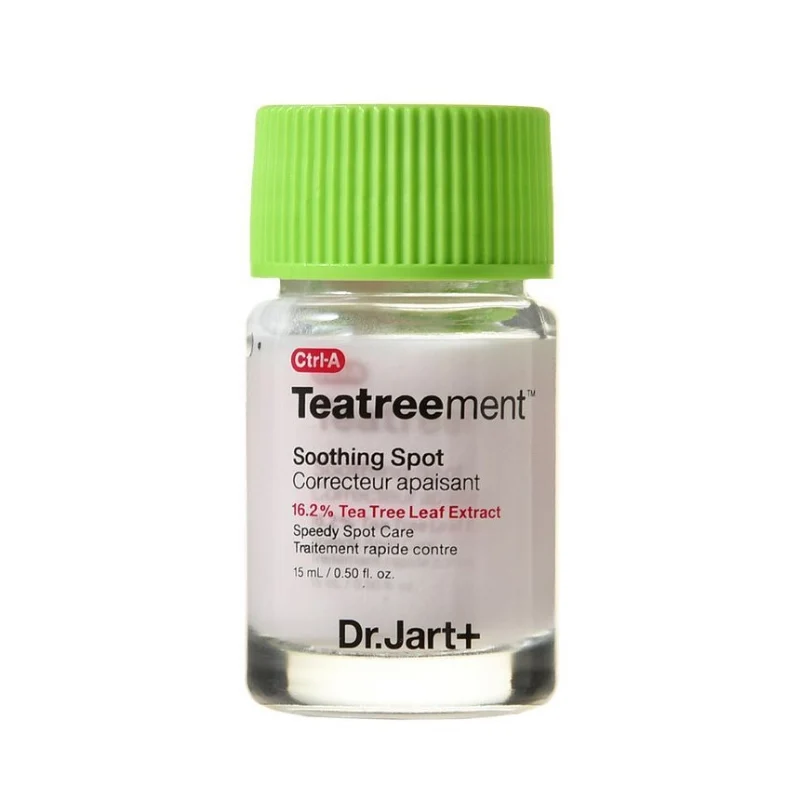
-
Estimated level
- 10–40%
-
Confidence
- Moderate — INCI order above the 1% line
1st on the list, which puts it at an estimated 10–40% of the formula.
2-(3,3-Dimethylbicyclo[2.2.1]hept-2-ylidene) ethanol
-
Estimated level
- 5–20%
-
Confidence
- Moderate — INCI order above the 1% line
-
Roles
-
Surfactant, Solvent
2nd on the list, which puts it at an estimated 5–20% of the formula.
TEA C14-17 Alkyl Sec Sulfonate is the triethanolamine salt of secondary sulfonated C14-17 alkanes
-
Estimated level
- 5–20%
-
Confidence
- Moderate — INCI order above the 1% line
-
Roles
-
Occlusive, Texture agent
3rd on the list, which puts it at an estimated 5–20% of the formula.
Calamine (zinc oxide and ferric oxide)
-
Estimated level
- 2–10%
-
Confidence
- Moderate — INCI order above the 1% line
-
Roles
-
Humectant, Occlusive, Texture agent, Solvent
4th on the list, which puts it at an estimated 2–10% of the formula.
Glycerine ;Glycerol (INN); Glycerol (RIFM); Glycerolum (EP); Glycyl Alcohol; 1,2,3-Propanetriol; 1,2,3-Trihydroxypropane
Hydration
Anti-Aging
6 scientific references
- Journal of Pharmaceutical Investigation, March 2021, pages 223-231
- International Journal of Toxicology, November/December 2019, Volume 38, Supplement 3, pages 6S-22S
- International Journal of Cosmetic Science, August 2016, ePublication
- British Journal of Dermatology, July 2008, pages 23-34
- Journal of Cosmetic Dermatology, June 2007, pages 75-82
- Proceedings of the National Academy of Sciences, June 2003, pages 7, 360-7, 365
-
Estimated level
- 2–10%
-
Confidence
- Moderate — INCI order above the 1% line
-
Roles
-
UV filter, Occlusive, Texture agent, Preservative
5th on the list, which puts it at an estimated 2–10% of the formula.
Zinc oxide (CI 77947)
Anti-Aging
Soothing
Oil Control
9 scientific references
- Journal of Investigative Dermatology, February 2019, pages 277-278
- Nanomaterials, March 2017, pages 27-31
- Particle and Fibre Toxicology, August 2016, page 44
- International Journal of Cosmetic Science, June 2014, pages 273-283
- Indian Journal of Dermatology, September-October 2012, pages 335-342
- Archives of Toxicology, July 2012, pages 1063-1075
- Photodermatology, Photoimmunology, & Photomedicine, April 2011, pages 58-67
- American Journal of Clinical Dermatology, December 2010, pages 413-421
- https://cosmeticsinfoorg/ingredient/zinc-oxide-0?gclid=CjwKCAjw3_KIBhA2EiwAaAAlipF1YpJBfZrmUbDnK6jm68_2f-GfsdZ770fVI15BFzZJtiFcCJjAWxoC3SkQAvD_BwE
-
Estimated level
- 2–10%
-
Confidence
- Moderate — INCI order above the 1% line
-
Roles
-
UV filter, Texture agent
6th on the list, which puts it at an estimated 2–10% of the formula.
Titanium dioxide (CI 77891)
Anti-Aging
10 scientific references
- Journal of Cosmetic Dermatology, February 2021, pages 532-537
- Frontiers in Bioengineering and Biotechnology, June 2020
- Journal of Nanoparticle Research, March 2020
- Journal of the European Academy of Dermatology and Venereology, November 2019, pages 34-46
- Photodermatology, Photoimmunology and Photomedicine, November 2019, pages 442-446
- Journal of Cosmetic Science, September 2019, pages 223-234
- Materials, July 2019, pages 1-24
- Photodermatology, Photoimmunology, and Photomedicine, April 2011, pages 58-67
- Skin Therapy Letter, July-August 2008, pages 5-7
- Environmental and Health Perspectives, July 2008, pages 893
-
Estimated level
- 1–5%
-
Confidence
- Moderate — INCI order above the 1% line
-
Roles
-
Active
7th on the list, which puts it at an estimated 1–5% of the formula.
Niacinamide (vitamin B3) is a gentle skincare active that repairs the skin barrier, calms redness, controls oil and evens tone at 2–5%. Official IUPAC name: **3-Pyridinecarboxamide**
Soothing
Anti-Aging
Pore Minimizer
15 scientific references
- International Journal of Dermatology, February 2021, pages 166-173
- Biomolecules & Therapeutics, July 2019, pages 562-569
- Experimental Dermatology, February 2019, pages 15-22
- Dermatologic Therapy, September 2017, ePublication
- Journal of Investigative Dermatology, May 2017, page S116
- International Journal of Pharmaceutics, March 2017, pages 158-162
- Facial Plastic Surgery Clinics of North America, May 2016, pages 145-152
- Clinical, Cosmetic, and Investigational Dermatology, July 2015, pages 405-412
- Skin Pharmacology and Physiology, June 2014, pages 311-315
- International Journal of Pharmacy, January 2013, pages 192-201
- Dermatoendrocrinology, July 2012, pages 308-319
- International Journal of Toxicology, September 2005, pages 1-31
- Dermatologic Surgery, July 2005, pages 860-865
- International Journal of Cosmetic Science, October 2004, pages 231-238
- Journal of Cosmetic Dermatology, April 2004, pages 88-93
-
Estimated level
- 1–5%
-
Confidence
- Moderate — INCI order above the 1% line
-
Roles
-
Texture agent, Solvent
8th on the list, which puts it at an estimated 1–5% of the formula.
Dimethyl sulphone
-
Estimated level
- 1–5%
-
Confidence
- Moderate — INCI order above the 1% line
9th on the list, which puts it at an estimated 1–5% of the formula.
Anti-Aging
Soothing
4 scientific references
- International Journal of Cosmetic Science, February 2015, pages 455-464
- Rheumatology, July 2010 Epublication
- Food and Chemical Toxicology, April 2008, pages 1, 298-1, 307
- Journal of Photochemistry and Photobiology, December 2001, pages 109-141
-
Estimated level
- 1–5%
-
Confidence
- Moderate — INCI order above the 1% line
-
Roles
-
Plant extract
10th on the list, which puts it at an estimated 1–5% of the formula.
Cardiospermum Halicacabum Flower/Leaf/Vine Extract is an extract of the flowers, leaves and vine of Cardiospermum halicacabum L., Sapindaceae
Anti-Aging
Soothing
-
Estimated level
- 1–3%
-
Confidence
- Moderate — INCI order above the 1% line
-
Roles
-
Plant extract
11th on the list, which puts it at an estimated 1–3% of the formula.
Gloiopeltis Furcata Extract is the extract of the alga, Gloiopeltis furcate, Endocladiaceae.
-
Estimated level
- 1–3%
-
Confidence
- Moderate — INCI order above the 1% line
-
Roles
-
Plant extract
12th on the list, which puts it at an estimated 1–3% of the formula.
Chamomilla Recutita Flower Extract is an extract of the flowerheads of the matricaria, Chamomilla recutita (L.), Compositae
Anti-Aging
Soothing
8 scientific references
- 5 Super Anti-Aging Antioxidants Your Skin Needs
- How to Keep Your Neck & Chest Looking Young
- Acne & Aging Skin
- How to Diminish Uneven Skin Tone and Get Your Glow Back
- What Are Peptides and What Do They Do for Skin?
- The Truth About Firming Creams
- Top 5 Reasons to Add Antioxidants to Your Skin Care Routine
- Anti-Aging Superstars
-
Estimated level
- 1–3%
-
Confidence
- Moderate — INCI order above the 1% line
-
Roles
-
Soothing, Surfactant, Plant extract
13th on the list, which puts it at an estimated 1–3% of the formula.
Centella Asiatica Extract is the extract of the whole plant Hydrocotyl, Centella asiatica L., Apiaceae
Soothing
Anti-Aging
6 scientific references
- Phytomedicine, April 2018, pages 110–119
- Clinical, Cosmetic, and Investigational Dermatology, August 2017, pages 311–315
- Indian Journal of Pharmaceutical Sciences, Jan-Feb 2016, pages 27–33
- Postepy Dermatologii I, February 2013, pages 46–49
- Indian Journal of Pharmaceutical Sciences, 2010, pages 546–556
- Scientific Reports, June 2021, ePublication
-
Estimated level
- 1–3%
-
Confidence
- Moderate — INCI order above the 1% line
-
Roles
-
Humectant, Plant extract
14th on the list, which puts it at an estimated 1–3% of the formula.
Ficus Carica Fruit Extract is an extract of the fruit of the Fig, Ficus carica L., Moraceae
-
Estimated level
- 1–3%
-
Confidence
- Moderate — INCI order above the 1% line
15th on the list, which puts it at an estimated 1–3% of the formula.
Sulfated oligosaccharides obtained from the Seaweed Kelp (Macrocystis pyrifera, Lessoniaceae) hydrolyzate
Sulfate
-
Estimated level
- 1–3%
-
Confidence
- Moderate — INCI order above the 1% line
-
Roles
-
Plant extract
16th on the list, which puts it at an estimated 1–3% of the formula.
Eclipta Prostrata Leaf Extract is an extract of the leaves of Eclipta prostrata L., Compositae
-
Estimated level
- 1–3%
-
Confidence
- Moderate — INCI order above the 1% line
-
Roles
-
Emollient, Soothing, Plant extract
17th on the list, which puts it at an estimated 1–3% of the formula.
Glycyrrhiza Glabra Root Extract is an extract of the roots of the Licorice, Glycyrrhiza glabra L., Leguminosae
-
Estimated level
- 1–3%
-
Confidence
- Moderate — INCI order above the 1% line
-
Roles
-
Plant extract
18th on the list, which puts it at an estimated 1–3% of the formula.
Paeonia Lactiflora Root Extract is an extract of the roots of the Peony, Paeonia lactiflora, Ranunculaceae
-
Estimated level
- 1–3%
-
Confidence
- Moderate — INCI order above the 1% line
-
Roles
-
Plant extract
19th on the list, which puts it at an estimated 1–3% of the formula.
Cnidium Officinale Root Extract is an extract of the roots of Cnidium officinale, Apiaceae
-
Estimated level
- 1–3%
-
Confidence
- Moderate — INCI order above the 1% line
-
Roles
-
Humectant, Plant extract
20th on the list, which puts it at an estimated 1–3% of the formula.
Pueraria Lobata Root Extract is an extract of the roots of Pueraria lobata, Fabacea
Anti-Aging
Evens Skin Tone
-
Estimated level
- 1–3%
-
Confidence
- Moderate — INCI order above the 1% line
-
Roles
-
Plant extract
21st on the list, which puts it at an estimated 1–3% of the formula.
Portulaca Oleracea Extract is an extract of the whole plant of the Purselane, Portulaca oleracea L., Portulacaceae
Anti-Aging
Soothing
Hydration
6 scientific references
- Food Chemistry, August 2019, pages 239-245
- Journal of Pharmacopuncture, March 2019, pages 7-15
- Antioxidants, August 2017, pages 1-9
- American Journal of Translational Research, May 2016, pages 2, 138-2, 148
- BioMed Research International, January 2015, pages 1-11
- Journal of Ethnopharmacology, July 2001, pages 171–176; and December 2000, pages 445-451
-
Estimated level
- 1–3%
-
Confidence
- Moderate — INCI order above the 1% line
-
Roles
-
Antioxidant, Plant extract
22nd on the list, which puts it at an estimated 1–3% of the formula.
Pinus Pinaster Bark Extract is the extract of the bark of the Maritime Pine, Pinus pinaster, Pinaceae
-
Estimated level
- 1–3%
-
Confidence
- Moderate — INCI order above the 1% line
-
Roles
-
Humectant, Emollient, Occlusive, Antioxidant, Plant extract, Preservative
23rd on the list, which puts it at an estimated 1–3% of the formula.
Cinnamomum Zeylanicum Bark Extract is an extract obtained from the dried bark of the Ceylon Cinnamon, Cinnamomum zeylanicum, Lauraceae
-
Estimated level
- 1–3%
-
Confidence
- Moderate — INCI order above the 1% line
-
Roles
-
Humectant, Occlusive
24th on the list, which puts it at an estimated 1–3% of the formula.
Aloe Vera Vesicles are the extracellular vesicles isolated from the whole plant Aloe vera.
-
Estimated level
- 1–3%
-
Confidence
- Moderate — INCI order above the 1% line
-
Roles
-
Surfactant
25th on the list, which puts it at an estimated 1–3% of the formula.
PPG-66 TEA Soybean Oil Maleate is a polymer made in two steps. First, Glycine Soja Oil is reacted with Maleic Anhydride. Then, separately, Triethanolamine is reacted with an average of 66 mols of propylene oxide. The propoxylated triethanolamine is reacted with the anhydride groups on the soybean oil derivative to produce the final product.
-
Estimated level
- 1–3%
-
Confidence
- Moderate — INCI order above the 1% line
-
Roles
-
Surfactant
26th on the list, which puts it at an estimated 1–3% of the formula.
Lecithins, hydrogenated
Hydration
4 scientific references
- International Journal of Toxicology, September 2020, pages 5S-25S
- Nanocosmetics, June 2019, pages 95–140
- Current Drug Delivery, 2016, pages 111–120
- Pharmaceutical Research, February 2013, pages 538–55
-
Estimated level
- 1–3%
-
Confidence
- Moderate — INCI order above the 1% line
-
Roles
-
Emollient, Surfactant
27th on the list, which puts it at an estimated 1–3% of the formula.
Safflower Seed Oil Polyglyceryl-6 Esters is the product obtained by the transesterification of Carthamus Tinctorius Seed Oil and a glycerol homopolymer (average 6 glycerol units)
-
Estimated level
- 1–3%
-
Confidence
- Moderate — INCI order above the 1% line
-
Roles
-
Humectant
28th on the list, which puts it at an estimated 1–3% of the formula.
Collagens. A fibrous protein comprising one third of the total protein in mammalian organisms. It is a polypeptide containing three peptide chains and rich in proline and hydroxyproline
-
Estimated level
- 1–3%
-
Confidence
- Moderate — INCI order above the 1% line
-
Roles
-
Humectant, Active
29th on the list, which puts it at an estimated 1–3% of the formula.
Hyaluronic acid, sodium, salt
Hydration
Anti-Aging
Soothing
5 scientific references
- Der Hautarzt; Zeitschrift fur Dermatologie, Venerologie, und Verwandte Gebiete, December 2017, pages 987-993
- Journal of Cosmetic Dermatology, July 2014, pages 277-287
- Journal of Clinical and Aesthetic Dermatology, October 2012, pages 20-23
- DermatoEndocrinology, July-December 2012, pages 253-258
- Journal of Drugs in Dermatology, September 2011, pages 990-1000
-
Estimated level
- 1–3%
-
Confidence
- Moderate — INCI order above the 1% line
-
Roles
-
Solvent
30th on the list, which puts it at an estimated 1–3% of the formula.
Aqua (EU),Deionized Water,Distilled Water,Micromatrix Fractile AN,Onsen-Sui (JPN),Purified Water
Hydration
3 scientific references
- Skin Research and Technology, May 2015, pages 131-136
- Skin Pharmacology and Applied Skin Physiology, November-December 1999, pages 344-351
- Journal of Cosmetic Science, September-October 1993, pages 249-262
-
Estimated level
- 1–3%
-
Confidence
- Moderate — INCI order above the 1% line
-
Roles
-
Active, Exfoliant, Preservative
31st on the list, which puts it at an estimated 1–3% of the formula.
Salicylic acid
Anti-Acne
Anti-Aging
Blackhead Reducing
10 scientific references
- Experimental Dermatology, July 2019, pages 786-794
- European Commission Scientific Committee on Consumer Safety, June 2019, pages 1-70
- Regulatory Toxicology and Pharmacology, April 2018, pages 245-251
- Journal of Cosmetic Science, January-February 2017, pages 55-58
- Clinical, Cosmetic, and Investigational Dermatology, August 2015, pages 455-461
- Clinical, Cosmetic, and Investigational Dermatology, November 2010, pages 135-142
- Seminars in Cutaneous Medicine and Surgery, September 2008, pages 170-176
- Journal of the American Academy of Dermatology, April 2007, pages 651-663
- International Journal of Cosmetic Science, February 2000, pages 21-52
- Seminars in Dermatology, December 1990, pages 305-308
-
Estimated level
- 1–3%
-
Confidence
- Moderate — INCI order above the 1% line
-
Roles
-
Preservative
32nd on the list, which puts it at an estimated 1–3% of the formula.
Sulfur and gum arabic
Anti-Acne
-
Estimated level
- 1–3%
-
Confidence
- Moderate — INCI order above the 1% line
-
Roles
-
Humectant, Texture agent, Solvent
33rd on the list, which puts it at an estimated 1–3% of the formula.
Butane-1,3-diol (CAS No. 107-88-0/ EC No. 203-529-7)
(R)-(-)-butane-1,3-diol” (CAS No. 6290-03-5/ EC No. 228-532-0)
Hydration
5 scientific references
- CosmeticsInfoorg, Accessed March 2021, ePublication
- US Food and Drug Administration Code of Federal Regulations</em>, Accessed March 2021, ePublication
- International Journal of Toxicology, May 2011, pages 5S-16S
- Skin Research and Technology, November 2007, pages 417-24
- Journal of the American College of Toxicology, September 1985, pages 223-248
-
Estimated level
- 1–3%
-
Confidence
- Moderate — INCI order above the 1% line
-
Roles
-
Texture agent, Solvent
34th on the list, which puts it at an estimated 1–3% of the formula.
1,1'-Oxydipropan-2-ol; Oxydipropan-2-ol; Hydroxypropyloxypropanol
-
Estimated level
- 1–3%
-
Confidence
- Moderate — INCI order above the 1% line
-
Roles
-
Occlusive, Soothing
35th on the list, which puts it at an estimated 1–3% of the formula.
Urea, (2,5-dioxo-4-imidazolidinyl)-
Soothing
8 scientific references
- Chemistry Series, March 2020, pages 7-21
- Molecules, June 2019, pages 1-33
- European Journal of Pharmacology, February 2018, pages 68-78
- Journal of the American Academy of Dermatology, June 2017, Volume 76, Issue 2, Supplement 1
- Pharmacognosy Review, Volume 5, July-December 2011
- International Journal of Toxicology, May 2010, Supplement, pages 84S-97S
- Journal of Occupational Medicine and Toxicology, October 2008, ePublication
- https://wwwaccessdatafdagov/scripts/cdrh/cfdocs/cfcfr/CFRSearchcfm?CFRPart=347&showFR=1
-
Estimated level
- 1–3%
-
Confidence
- Moderate — INCI order above the 1% line
36th on the list, which puts it at an estimated 1–3% of the formula.
1,7,7-Trimethylbicyclo[2.2.1]-2-heptanone; Bornan-2-one
Allergen
-
Estimated level
- 1–3%
-
Confidence
- Moderate — INCI order above the 1% line
-
Roles
-
Texture agent
37th on the list, which puts it at an estimated 1–3% of the formula.
Fructooligosaccharide Hexyldecanoate is the product obtained by the reaction of Hexyldecanoic Acid and Fructooligosaccharides.
-
Estimated level
- 1–3%
-
Confidence
- Moderate — INCI order above the 1% line
-
Roles
-
Emollient, Surfactant
38th on the list, which puts it at an estimated 1–3% of the formula.
Lecithins. The complex combination of diglycerides of fatty acids linked to the choline ester of phosphoric acid
Hydration
5 scientific references
- Cosmetics, November 2020, pages 1-19
- International Journal of Toxicology, September 2020, pages 5S-25S
- Molecules, March 2020, pages 1-9
- Journal of the American Oil Chemists' Society, March 2014, pages 1, 093-1, 101
- Scientia Pharmaceutica, July 2013, pages 1, 151-1, 166
-
Estimated level
- 1–3%
-
Confidence
- Moderate — INCI order above the 1% line
-
Roles
-
Plant extract
39th on the list, which puts it at an estimated 1–3% of the formula.
Hydrolyzed Beta Maritima Extract is the hydrolysate of the extract of the whole plant, Beta maritima L., Chenopodiaceae derived by acid, enzyme or other method of hydrolysis
-
Estimated level
- under 1%
-
Confidence
- Moderate — listed below the 1% line
-
Roles
-
Surfactant, Texture agent
40th on the list, below the 1% line — present at under 1%, which for most ingredients is the level they work at.
Xanthan gum
-
Estimated level
- under 1%
-
Confidence
- Moderate — listed below the 1% line
-
Roles
-
Humectant, Active
41st on the list, below the 1% line — present at under 1%, which for most ingredients is the level they work at.
Hydrolyzed Hyaluronic Acid is the hydrolysate of Hyaluronic Acid derived by acid, enzyme or other method of hydrolysis
Hydration
-
Estimated level
- under 1%
-
Confidence
- Moderate — listed below the 1% line
-
Roles
-
Active
42nd on the list, below the 1% line — present at under 1%, which for most ingredients is the level they work at.
Ceramide NP,1,3,4-Octadecanetriol, 2-Octadecanamide,Stearoyl-C18-Phytosphingosine,Stearoyl-4-Hydroxysphinganine
Hydration
Anti-Aging
11 scientific references
- International Journal of Toxicology, 2020, pages 5S-25S
- International Journal of Molecular Sciences, August 2019, pages 1-15
- Skin Pharmacology and Physiology, 2016, pages 135-147
- Biochimica et Biophysica Acta, October 2014, pages 2473-2483
- Journal of the American Academy of Dermatology, July 2014, pages 177-184
- Journal of Lipid Research, July 2008, pages 1, 466-1, 476
- Journal of Lipid Research, September 2007, pages 1936-1943
- American Journal of Clinical Dermatology, 2003, pages 107-129
- Contact Dermatitis, June 2002, pages 331-338
- Journal of Investigative Dermatology, November 2001, pages 1, 126-1, 136
- Skin Pharmacology and Applied Skin Physiology, September-October 2001, pages 261-271
-
Estimated level
- under 1%
-
Confidence
- Moderate — listed below the 1% line
-
Roles
-
Exfoliant, Texture agent
43rd on the list, below the 1% line — present at under 1%, which for most ingredients is the level they work at.
Silicon dioxide
Oil Control
6 scientific references
- Advances in Colloid and Interface Science, July 2021, page 10, 2437
- Cosmetic Ingredient Review, October 2019, pages 1-34
- Nanomedicine, August 2019, pages 2, 243-2, 267
- Biological and Pharmaceutical Bulletin, 2016, pages 1, 201-1, 205
- European Journal of Pharmaceutics and Biopharmaceutics, January 2015, pages 116-125
- Cosmetics & Toiletries, April 2015, pages 36-45
-
Estimated level
- under 1%
-
Confidence
- Moderate — listed below the 1% line
-
Roles
-
Emollient, Surfactant
44th on the list, below the 1% line — present at under 1%, which for most ingredients is the level they work at.
9,12-Octadecadienoic acid (9Z, 12Z)-
Anti-Aging
Hydration
6 scientific references
- https://wwwcir-safetyorg/sites/default/files/facids042019finalreppdf
- Clinical, Cosmetic and Investigational Dermatology, January 2018, pages 21-28
- https://thedermreviewcom/linoleic-acid/
- Dermatology Research and Practice, 2012, pages 9231-9234
- Archives of Dermatological Research, 1998, issue 7, pages 375-381
- Clinical and Experimental Dermatology, 1998, issue 2, pages 56-58
-
Estimated level
- under 1%
-
Confidence
- Moderate — listed below the 1% line
-
Roles
-
Surfactant
45th on the list, below the 1% line — present at under 1%, which for most ingredients is the level they work at.
N-(1-oxooctyl)glycine
Hydration
3 scientific references
- UL Prospector, Accessed September 2021, ePublication
- Journal of Cosmetic Dermatology, March 2021, pages 18-22
- International Journal of Toxicology, May/June 2017, pages 17S-56S
-
Estimated level
- under 1%
-
Confidence
- Moderate — listed below the 1% line
46th on the list, below the 1% line — present at under 1%, which for most ingredients is the level they work at.
Decanoic acid, ester with 1,2,3-propanetriol octanoate;
Glycerides, mixed decanoyl and octanoyl
Hydration
5 scientific references
- International Journal of Toxicology, September 2020, pages 34-35
- Periodica Polytechnica Chemical Engineering, 2014, pages 43-48
- International Journal of Toxicology, January 2003, pages 4-5
- Food and Chemical Toxicology, January 2000, pages 79-98
- Journal of the Society of Cosmetic Chemists, August 1985, pages 303-311
-
Estimated level
- under 1%
-
Confidence
- Moderate — listed below the 1% line
47th on the list, below the 1% line — present at under 1%, which for most ingredients is the level they work at.
Phospholipids
Hydration
5 scientific references
- International Journal of Toxicology, Volume 39, Supplement 2, September 2020, pages 5S–25S
- Nanocosmetics, 2019, van Hoogevest P, Fahr A, pages 95-140
- Journal of Food Bioactives, April 2019, volume 5, pages 31-42
- Pharmacognosy Reviews, 2009, Volume 3, Issue 5, pages 82-89
- Journal of Nanjing Medical University, November 2007, Volume 21, Issue 6, pages 349-353
-
Estimated level
- under 1%
-
Confidence
- Moderate — listed below the 1% line
-
Roles
-
Surfactant
48th on the list, below the 1% line — present at under 1%, which for most ingredients is the level they work at.
2-Methyl-2,4-pentanediol, ethoxylated, propoxylated (300 mol EO, 75 mol PO average molar ratio)
-
Estimated level
- under 1%
-
Confidence
- Moderate — listed below the 1% line
49th on the list, below the 1% line — present at under 1%, which for most ingredients is the level they work at.
Glycine, N-methyl-
Hydration
4 scientific references
- Meyler’s Side Effects of Drugs, 2016, page 310
- Journal of Controlled Release, January 2013, pages 91-100
- International Journal of Toxicology, July-August 2012, pages 358-363
- Skin Pharmacology and Physiology, January 2007, pages 155-161
-
Estimated level
- under 1%
-
Confidence
- Moderate — listed below the 1% line
50th on the list, below the 1% line — present at under 1%, which for most ingredients is the level they work at.
4-Methyl-1-(1-methylethyl)-3-cyclohexen-1-ol
-
Estimated level
- under 1%
-
Confidence
- Moderate — listed below the 1% line
-
Roles
-
Occlusive
51st on the list, below the 1% line — present at under 1%, which for most ingredients is the level they work at.
2-Propenoic acid, 2-methyl-, 1,2-ethanediyl ester, polymer with methyl 2-methyl-2-propenoate
Microplastic
-
Estimated level
- under 1%
-
Confidence
- Moderate — listed below the 1% line
-
Roles
-
Surfactant
52nd on the list, below the 1% line — present at under 1%, which for most ingredients is the level they work at.
Castor oil (Ricinus communis), hydrogenated, ethoxylated (40 mol EO average molar ratio)
Hydration
4 scientific references
- CosmeticsInfoorg, Accessed July 2021, ePublication
- https://cosmeticsinfoorg/ingredient/peg-40-hydrogenated-castor-oil
- Toxicological Research, June 2015, pages 105-136
- https://wwwdeepdyvecom/lp/pubmed-central/safety-evaluation-of-polyethylene-glycol-peg-compounds-for-cosmetic-dV2e45HAp7?articleList=%2Fsearch%3Fquery%3DPEG-40%2Bhydrogenated%2Bcastor%2Boil
-
Estimated level
- under 1%
-
Confidence
- Moderate — listed below the 1% line
-
Roles
-
Solvent
53rd on the list, below the 1% line — present at under 1%, which for most ingredients is the level they work at.
Not yet matched to our database
These are printed on the label but have not been linked to an ingredient record yet, so they are excluded from the analysis above.
Dolkongsterol