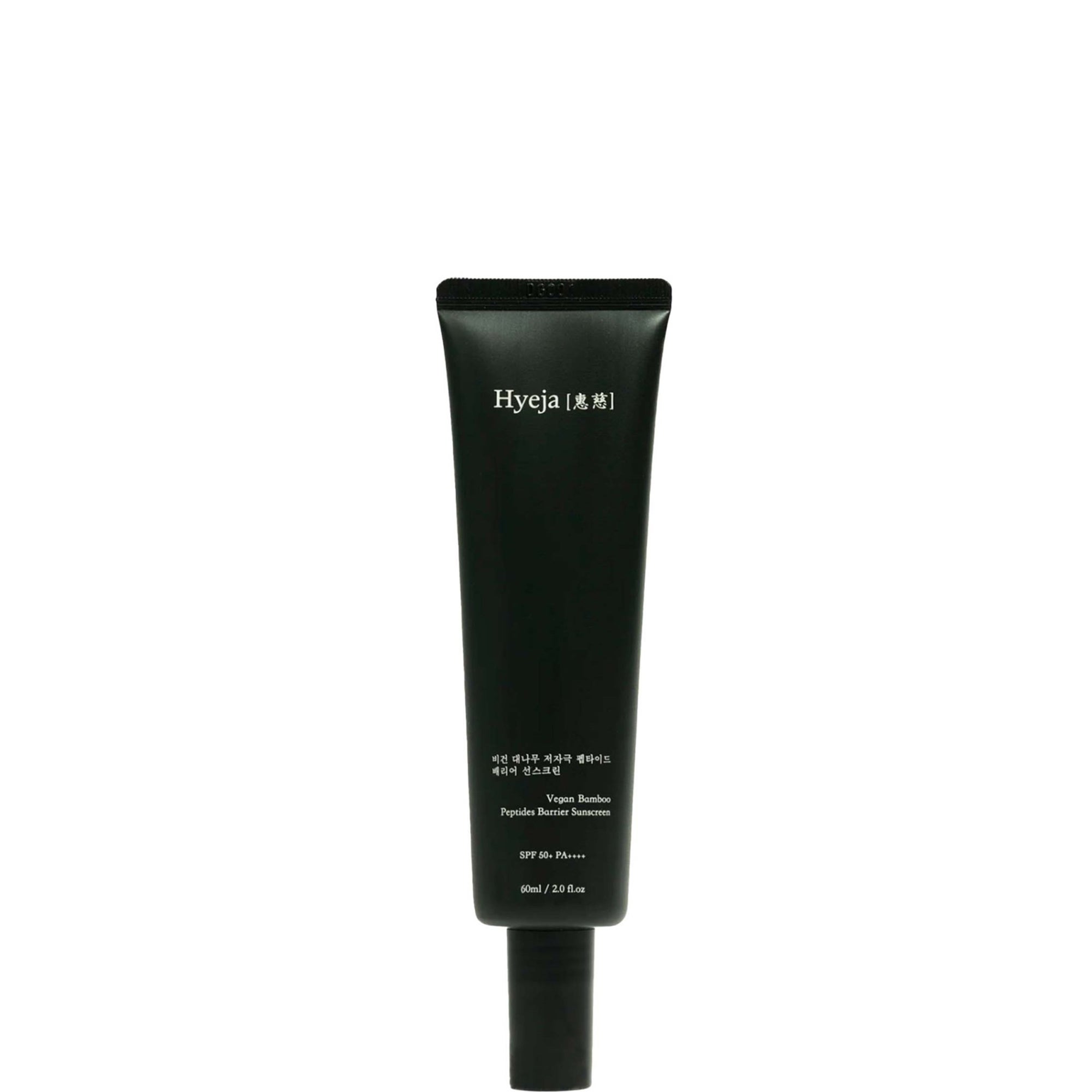
-
Estimated level
- 30–80%
-
Confidence
- Moderate — INCI order above the 1% line
1st on the list, which puts it at an estimated 30–80% of the formula.
Bambusa Vulgaris Water is an aqueous solution of the stem of distillate obtained from the Bamboo, Bambusa vulgaris, Poaceaea
-
Estimated level
- 5–20%
-
Confidence
- Moderate — INCI order above the 1% line
-
Roles
-
Solvent
2nd on the list, which puts it at an estimated 5–20% of the formula.
Aqua (EU),Deionized Water,Distilled Water,Micromatrix Fractile AN,Onsen-Sui (JPN),Purified Water
Hydration
3 scientific references
- Skin Research and Technology, May 2015, pages 131-136
- Skin Pharmacology and Applied Skin Physiology, November-December 1999, pages 344-351
- Journal of Cosmetic Science, September-October 1993, pages 249-262
-
Estimated level
- 5–20%
-
Confidence
- Moderate — INCI order above the 1% line
-
Roles
-
Emollient, Occlusive, Solvent
3rd on the list, which puts it at an estimated 5–20% of the formula.
Dibutyl adipate
Hydration
-
Estimated level
- 2–10%
-
Confidence
- Moderate — INCI order above the 1% line
-
Roles
-
Texture agent, Solvent
4th on the list, which puts it at an estimated 2–10% of the formula.
1,3-dihydroxypropane
Hydration
4 scientific references
- PubChem Compound Summary, April 2021, ePublication
- SpecialChem, Accessed April 2021, ePublication
- Cosmetic Ingredient Review, June 2018, pages 1-73
- Cosmetics & Toiletries, May 2013, pages 81-86
-
Estimated level
- 2–10%
-
Confidence
- Moderate — INCI order above the 1% line
-
Roles
-
Emollient
5th on the list, which puts it at an estimated 2–10% of the formula.
2,6,10,15,19,23-Hexamethyltetracosane
Hydration
Anti-Aging
9 scientific references
- Cosmetics Ingredient Review, 2019, ePublication
- ACS Open, July 2017, pages 3, 989–3, 996
- Indian Journal of Dermatology, May-June 2016, pages 279-297
- The Journal of Clinical and Aesthetic Dermatology, June 2014, pages 25-32
- Journal of Cosmetic Science, January-February 2013, pages 59-66
- Advances in Food and Nutrition Research, 2012, pages 223-233
- Molecules, January 2009, pages 540-554
- Journal of Investigative Dermatology, November 2006, pages 2, 430-2, 437
- Free Radical Research, April 2002, pages 471-477
-
Estimated level
- 2–10%
-
Confidence
- Moderate — INCI order above the 1% line
-
Roles
-
Humectant, Texture agent, Solvent
6th on the list, which puts it at an estimated 2–10% of the formula.
Butane-1,3-diol (CAS No. 107-88-0/ EC No. 203-529-7)
(R)-(-)-butane-1,3-diol” (CAS No. 6290-03-5/ EC No. 228-532-0)
Hydration
5 scientific references
- CosmeticsInfoorg, Accessed March 2021, ePublication
- US Food and Drug Administration Code of Federal Regulations</em>, Accessed March 2021, ePublication
- International Journal of Toxicology, May 2011, pages 5S-16S
- Skin Research and Technology, November 2007, pages 417-24
- Journal of the American College of Toxicology, September 1985, pages 223-248
-
Estimated level
- 1–5%
-
Confidence
- Moderate — INCI order above the 1% line
-
Roles
-
Solvent
7th on the list, which puts it at an estimated 1–5% of the formula.
Benzoic acid, 2-hydroxy-, 2-butyloctyl ester
Hydration
4 scientific references
- Cosmetic Ingredient Review, June 2019, pages 1-60
- https://onlinepersonalcarecouncilorg/ctfa-static/online/lists/cir-pdfs/FR766pdf
- International Journal of Toxicology, 2003, pages 1-108
- https://wwwdeepdyvecom/lp/sage/safety-assessment-of-salicylic-acid-butyloctyl-salicylate-calcium-klHNmxZGsR?articleList=%2Fsearch%3Fquery%3Dbutyloctyl%2Bsalicylate
-
Estimated level
- 1–5%
-
Confidence
- Moderate — INCI order above the 1% line
-
Roles
-
UV filter
8th on the list, which puts it at an estimated 1–5% of the formula.
Benzoic Acid, 2-[4-(Diethylamino)-2-Hydroxybenzoyl]-, Hexyl Ester
Anti-Aging
-
Estimated level
- 1–5%
-
Confidence
- Moderate — INCI order above the 1% line
-
Roles
-
Texture agent
9th on the list, which puts it at an estimated 1–5% of the formula.
Polymer formed by hydrolysis and condensation of methyltrimethoxysilane
Microplastic
-
Estimated level
- 1–5%
-
Confidence
- Moderate — INCI order above the 1% line
-
Roles
-
UV filter
10th on the list, which puts it at an estimated 1–5% of the formula.
Benzoic acid, 4,4',4''-(1,3,5-triazine-2,4,6-triyltriimino)tris-,tris(2-ethylhexyl) ester; octyl triazone
Anti-Aging
-
Estimated level
- 1–3%
-
Confidence
- Moderate — INCI order above the 1% line
-
Roles
-
UV filter
11th on the list, which puts it at an estimated 1–3% of the formula.
2,2'-Methylene-bis-(6-(2H-benzotriazol-2-yl)-4-(1,1,3,3-tetramethylbutyl)phenol)
Anti-Aging
8 scientific references
- 5 Super Anti-Aging Antioxidants Your Skin Needs
- How to Keep Your Neck & Chest Looking Young
- Acne & Aging Skin
- How to Diminish Uneven Skin Tone and Get Your Glow Back
- What Are Peptides and What Do They Do for Skin?
- The Truth About Firming Creams
- Top 5 Reasons to Add Antioxidants to Your Skin Care Routine
- Anti-Aging Superstars
-
Estimated level
- 1–3%
-
Confidence
- Moderate — INCI order above the 1% line
-
Roles
-
Active
12th on the list, which puts it at an estimated 1–3% of the formula.
Niacinamide (vitamin B3) is a gentle skincare active that repairs the skin barrier, calms redness, controls oil and evens tone at 2–5%. Official IUPAC name: **3-Pyridinecarboxamide**
Soothing
Anti-Aging
Pore Minimizer
15 scientific references
- International Journal of Dermatology, February 2021, pages 166-173
- Biomolecules & Therapeutics, July 2019, pages 562-569
- Experimental Dermatology, February 2019, pages 15-22
- Dermatologic Therapy, September 2017, ePublication
- Journal of Investigative Dermatology, May 2017, page S116
- International Journal of Pharmaceutics, March 2017, pages 158-162
- Facial Plastic Surgery Clinics of North America, May 2016, pages 145-152
- Clinical, Cosmetic, and Investigational Dermatology, July 2015, pages 405-412
- Skin Pharmacology and Physiology, June 2014, pages 311-315
- International Journal of Pharmacy, January 2013, pages 192-201
- Dermatoendrocrinology, July 2012, pages 308-319
- International Journal of Toxicology, September 2005, pages 1-31
- Dermatologic Surgery, July 2005, pages 860-865
- International Journal of Cosmetic Science, October 2004, pages 231-238
- Journal of Cosmetic Dermatology, April 2004, pages 88-93
-
Estimated level
- 1–3%
-
Confidence
- Moderate — INCI order above the 1% line
13th on the list, which puts it at an estimated 1–3% of the formula.
1,1,1,3,5,5,5-Heptamethyl-3-octyl-trisiloxane
Hydration
Silicone
-
Estimated level
- 1–3%
-
Confidence
- Moderate — INCI order above the 1% line
-
Roles
-
UV filter
14th on the list, which puts it at an estimated 1–3% of the formula.
Benzoic acid, 4,4'-[[6-[[4-[[(1,1-dimethylethyl)amino]carbonyl]phenyl]amino]-1,3,5-triazine-2,4-diyl]diimino]bis-, -bis(2-ethylhexyl)ester
Anti-Aging
-
Estimated level
- under 1%
-
Confidence
- Moderate — listed below the 1% line
-
Roles
-
Solvent
15th on the list, below the 1% line — present at under 1%, which for most ingredients is the level they work at.
-
Estimated level
- under 1%
-
Confidence
- Moderate — listed below the 1% line
-
Roles
-
Solvent
16th on the list, below the 1% line — present at under 1%, which for most ingredients is the level they work at.
1,2-Dihydroxypentane
Hydration
4 scientific references
- https://thedermreviewcom/pentylene-glycol/
- Regulatory Toxicology and Pharmacology, July 2017, pages 106-111
- Prospector, June 2015, ePublication
- International Journal of Toxicology, October 2012, pages 147S-168S
-
Estimated level
- under 1%
-
Confidence
- Moderate — listed below the 1% line
-
Roles
-
Emollient, Active, Antioxidant, Preservative
17th on the list, below the 1% line — present at under 1%, which for most ingredients is the level they work at.
Bakuchiol (babchi seed extract) is a plant-based retinol alternative that softens wrinkles and fades dark spots with less irritation. IUPAC name: 4-[(1E,3S)-3,7-dimethyl-3-vinylocta-1,6-dien-1-yl]phenol
Soothing
Anti-Aging
Evens Skin Tone
14 scientific references
- International Journal of Molecular Sciences, July 2020, pages 1-12
- Pharmacological Research, March 2019, pages 208-213
- British Journal of Dermatology, February 2019, pages 253-254
- Oncotarget, March 2016, pages 14, 616-14, 627
- International Journal of Cosmetic Science, June 2014, pages 221-230
- Bioscience, Biotechnology, and Biochemistry, 2010, pages 1504-1506
- The American Journal of Chinese Medicine, 2010, pages 105-114
- Pharmacognosy Review, January-June 2010, pages 68-76
- British Journal of Dermatology, 2019 (randomized trial vs retinol: bjd.16918)
- Phytochemistry Reviews, 2024 (review: s11101-024-09926-y)
- International Journal of Cosmetic Science, 2026 (review: ics.70116)
- PubMed 41151326, 2025 (bakuchiol against MRSA)
- PubMed 38199573, 2024 (antiviral targets PHB2, VDAC1, VDAC2)
- PubMed 37857572, 2023 (C. elegans lifespan and amyloid-beta)
-
Estimated level
- under 1%
-
Confidence
- Moderate — listed below the 1% line
-
Roles
-
Emollient, Texture agent
18th on the list, below the 1% line — present at under 1%, which for most ingredients is the level they work at.
Docosan-1-ol
Hydration
5 scientific references
- International Journal of Cosmetic Science, April 2017, pages 206-216
- International Journal of Toxicology, May 2014, pages 77-142
- Expert Opinion on Pharmacotherapy, March 2010, Volume 11, pages 853-860
- Journal of the American College of Toxicology, 1988, pages 1-55
- CosmeticsInfoorg, ePublication
-
Estimated level
- under 1%
-
Confidence
- Moderate — listed below the 1% line
-
Roles
-
Texture agent
19th on the list, below the 1% line — present at under 1%, which for most ingredients is the level they work at.
Polymer of acrylic acid ester and C10-30 alcohol
Microplastic
-
Estimated level
- under 1%
-
Confidence
- Moderate — listed below the 1% line
-
Roles
-
Surfactant
20th on the list, below the 1% line — present at under 1%, which for most ingredients is the level they work at.
Methyl-D-glucopyranoside, ethers with 1,2,3-propanetriol homopolymer, octadecanoates (1:1:2) (3 mol glycerol average molar ratio)
-
Estimated level
- under 1%
-
Confidence
- Moderate — listed below the 1% line
-
Roles
-
Humectant, Emollient, Plant extract
21st on the list, below the 1% line — present at under 1%, which for most ingredients is the level they work at.
Aloe Barbadensis Leaf Extract is an extract of the leaves of the aloe, Aloe barbadensis, Liliaceae
Soothing
Hydration
8 scientific references
- Cosmetics, November 2021, pages 1-24
- https://wwwmdpicom/2079-9284/8/4/106/htm
- World Academy of Science, Engineering and Technology, 2011, pages 610-612
- https://wwwdesertharvestcom/physicians/documents/Antifungal%20and%20Antioxidant%20Activitiespdf
- International Journal of Biological & Medical Research, 2011, pages 466-471
- https://citeseerxistpsuedu/viewdoc/download?doi=10113024710&rep=rep1&type=pdf ]
- International Journal of Toxicology, 2007, pages 1-50
- https://onlinepersonalcarecouncilorg/ctfa-static/online/lists/cir-pdfs/PRS274pdf
-
Estimated level
- under 1%
-
Confidence
- Moderate — listed below the 1% line
-
Roles
-
Surfactant, Texture agent
22nd on the list, below the 1% line — present at under 1%, which for most ingredients is the level they work at.
D-Glucoside, Decyl
-
Estimated level
- under 1%
-
Confidence
- Moderate — listed below the 1% line
-
Roles
-
pH adjuster
23rd on the list, below the 1% line — present at under 1%, which for most ingredients is the level they work at.
1,3-Propanediol, 2-amino-2-(hydroxymethyl)-
-
Estimated level
- under 1%
-
Confidence
- Moderate — listed below the 1% line
-
Roles
-
Texture agent
24th on the list, below the 1% line — present at under 1%, which for most ingredients is the level they work at.
2-Propenoic acid, polymer with 2,2-bis(hydroxymethyl)propane-1,3-diol 2-propenyl ether
Synthetic polymer
-
Estimated level
- under 1%
-
Confidence
- Moderate — listed below the 1% line
-
Roles
-
Occlusive, Texture agent
25th on the list, below the 1% line — present at under 1%, which for most ingredients is the level they work at.
C10-30 alkyl propenoate, polymer with propenoic acid, butenoic acidand/or alkyl propenoates, product with propenyl sucrose ether or propenyl 2,2-dihydroxymethyl-1,3-propanediol
Synthetic polymer
-
Estimated level
- under 1%
-
Confidence
- Moderate — listed below the 1% line
-
Roles
-
Humectant, Occlusive, Texture agent, Solvent
26th on the list, below the 1% line — present at under 1%, which for most ingredients is the level they work at.
Glycerine ;Glycerol (INN); Glycerol (RIFM); Glycerolum (EP); Glycyl Alcohol; 1,2,3-Propanetriol; 1,2,3-Trihydroxypropane
Hydration
Anti-Aging
6 scientific references
- Journal of Pharmaceutical Investigation, March 2021, pages 223-231
- International Journal of Toxicology, November/December 2019, Volume 38, Supplement 3, pages 6S-22S
- International Journal of Cosmetic Science, August 2016, ePublication
- British Journal of Dermatology, July 2008, pages 23-34
- Journal of Cosmetic Dermatology, June 2007, pages 75-82
- Proceedings of the National Academy of Sciences, June 2003, pages 7, 360-7, 365
-
Estimated level
- under 1%
-
Confidence
- Moderate — listed below the 1% line
-
Roles
-
Texture agent
27th on the list, below the 1% line — present at under 1%, which for most ingredients is the level they work at.
Polyacrylate Crosspolymer-6 is a copolymer of ammonium acryloyldimethyltaurate, dimethylacrylamide, lauryl methacrylate and laureth-4 methacrylate, crosslinked with trimethylolpropane triacrylate
Synthetic polymer
-
Estimated level
- under 1%
-
Confidence
- Moderate — listed below the 1% line
-
Roles
-
Surfactant
28th on the list, below the 1% line — present at under 1%, which for most ingredients is the level they work at.
Sodium hydrogen N-(1-oxooctadecyl)-L-glutamate
Hydration
-
Estimated level
- under 1%
-
Confidence
- Moderate — listed below the 1% line
29th on the list, below the 1% line — present at under 1%, which for most ingredients is the level they work at.
1,2-Propanediol, 3-(2-ethylhexyloxy)
Hydration
5 scientific references
- PLoS One, October 2016, ePublication
- Contact Dermatitis, May 2016, pages 281-288
- International Journal of Toxicology, September 2013, pages 5S-21S
- Personal Care, 2008, pages 1-4
- Cosmetic Science Technology, 2006, pages 1-11
-
Estimated level
- under 1%
-
Confidence
- Moderate — listed below the 1% line
-
Roles
-
Emollient, Occlusive, Plant extract
30th on the list, below the 1% line — present at under 1%, which for most ingredients is the level they work at.
Panax Ginseng Root Extract is an extract of the roots of the Ginseng, Panax ginseng, Araliaceae
Anti-Aging
-
Estimated level
- under 1%
-
Confidence
- Moderate — listed below the 1% line
31st on the list, below the 1% line — present at under 1%, which for most ingredients is the level they work at.
6-Amino-9-beta-D-ribofuranosyl-9H-purine
Soothing
8 scientific references
- PubChem, Accessed May 2021, ePublication
- Cosmetic Ingredient Review, September 2020, pages 1-38
- Experimental Dermatology, August 2014, pages 553-554
- Journal of Investigative Dermatology, August 2011, pages 526-546
- International Journal of Cosmetic Science, December 2006, pages 447-451
- British Journal of Pharmacology, October 2008, issue 4, pages 475-486
- PloS One, May 2008 (ePublication)
- >International Journal of Cosmetic Science, August 2006, pages 447-451
-
Estimated level
- under 1%
-
Confidence
- Moderate — listed below the 1% line
-
Roles
-
Surfactant, Texture agent
32nd on the list, below the 1% line — present at under 1%, which for most ingredients is the level they work at.
Xanthan gum
-
Estimated level
- under 1%
-
Confidence
- Moderate — listed below the 1% line
-
Roles
-
Humectant
33rd on the list, below the 1% line — present at under 1%, which for most ingredients is the level they work at.
Protein hydrolyzates, soya. Substance obtained by acidic, alkaline, or enzymatic hydrolysis of soya composed primarily of amino acids, peptides, and proteins. It may contain impurities consisting chiefly of carbohydrates and lipids along with smaller quantities of miscellaneous organic substances of biological origin
Anti-Aging
8 scientific references
- 5 Super Anti-Aging Antioxidants Your Skin Needs
- How to Keep Your Neck & Chest Looking Young
- Acne & Aging Skin
- How to Diminish Uneven Skin Tone and Get Your Glow Back
- What Are Peptides and What Do They Do for Skin?
- The Truth About Firming Creams
- Top 5 Reasons to Add Antioxidants to Your Skin Care Routine
- Anti-Aging Superstars
-
Estimated level
- under 1%
-
Confidence
- Moderate — listed below the 1% line
34th on the list, below the 1% line — present at under 1%, which for most ingredients is the level they work at.
Hydrolyzed Potato Protein is the hydrolysate of potato protein derived by acid, enzyme or other method of hydrolysis
-
Estimated level
- under 1%
-
Confidence
- Moderate — listed below the 1% line
35th on the list, below the 1% line — present at under 1%, which for most ingredients is the level they work at.
Hydrolyzed Lupine Protein is the hydrolysate of lupine protein derived by acid, enzyme or other method of hydrolysis
-
Estimated level
- under 1%
-
Confidence
- Moderate — listed below the 1% line
36th on the list, below the 1% line — present at under 1%, which for most ingredients is the level they work at.
Protein hydrolyzates, rice. Substance obtained by acidic, alkaline, or enzymatic hydrolysis of rice composed primarily of amino acids, peptides, and proteins
Anti-Aging
Evens Skin Tone
Hydration
-
Estimated level
- under 1%
-
Confidence
- Moderate — listed below the 1% line
-
Roles
-
Emollient
37th on the list, below the 1% line — present at under 1%, which for most ingredients is the level they work at.
Hydrolyzed Pea Protein is the hydrolysate of pea protein derived by acid, enzyme or other method of hydrolysis
Hydration
-
Estimated level
- under 1%
-
Confidence
- Moderate — listed below the 1% line
38th on the list, below the 1% line — present at under 1%, which for most ingredients is the level they work at.
Protein hydrolyzates, corn. Substance obtained by acidic, alkaline, or enzymatic hydrolysis of Zea mays composed primarily of amino acids, peptides, and proteins. It may contain impurities consisting chiefly of carbohydrates and lipids along with smaller quantities of miscellaneous organic substances of biological origin.
-
Estimated level
- under 1%
-
Confidence
- Moderate — listed below the 1% line
39th on the list, below the 1% line — present at under 1%, which for most ingredients is the level they work at.
Protein hydrolyzates, oats
-
Estimated level
- under 1%
-
Confidence
- Moderate — listed below the 1% line
-
Roles
-
Emollient
40th on the list, below the 1% line — present at under 1%, which for most ingredients is the level they work at.
Octane-1,2-diol
-
Estimated level
- under 1%
-
Confidence
- Moderate — listed below the 1% line
41st on the list, below the 1% line — present at under 1%, which for most ingredients is the level they work at.
Hydrolyzed Barley Protein is the hydrolysate of barley protein derived by acid, enzyme or other method of hydrolysis
-
Estimated level
- under 1%
-
Confidence
- Moderate — listed below the 1% line
42nd on the list, below the 1% line — present at under 1%, which for most ingredients is the level they work at.
Hydrolyzed Sweet Almond Protein is the hydrolysate of sweet almond protein derived by acid, enzyme or other method of hydrolysis of Prunu Amugdalus Dulcis protein, peptides and amino acids
-
Estimated level
- under 1%
-
Confidence
- Moderate — listed below the 1% line
43rd on the list, below the 1% line — present at under 1%, which for most ingredients is the level they work at.
Protein hydrolyzates, wheat germ. Substance obtained by acidic, alkaline, or enzymatic hydrolysis of wheat germ composed primarily of amino acids, peptides, and proteins. It may contain impurities consisting chiefly of carbohydrates and lipids along with smaller quantities of miscellaneous organic substances of biological origin
Hydration
-
Estimated level
- under 1%
-
Confidence
- Moderate — listed below the 1% line
44th on the list, below the 1% line — present at under 1%, which for most ingredients is the level they work at.
Hydrolyzed Jojoba Protein is the hydrolysate of jojoba seed protein derived by acid, enzyme or other method of hydrolysis
Hydration
8 scientific references
- Supercharged Hydration
- How Hyaluronic Acid Benefits Skin
- What is Dehydrated Skin & How to Choose the Best Products
- What Your Moisturizer Must Contain
- Moisturizer Myths You Should Stop Believing Now
- The Benefits of Glycerin in Skin Care
- The Best Face Oils for Skin
- How Facial Oils Help Skin
-
Estimated level
- under 1%
-
Confidence
- Moderate — listed below the 1% line
45th on the list, below the 1% line — present at under 1%, which for most ingredients is the level they work at.
Protein hydrolyzates, vegetable. Substance obtained by acidic, alkaline, or enzymatic hydrolysis of mixed vegetables composed primarily of amino acids, peptides, and proteins. It may contain impurities consisting chiefly of carbohydrates and lipids along with smaller quantities of miscellaneous organic substances of biological origin
Hydration
-
Estimated level
- under 1%
-
Confidence
- Moderate — listed below the 1% line
46th on the list, below the 1% line — present at under 1%, which for most ingredients is the level they work at.
Glycoproteins, bovine-whey
Anti-Aging
-
Estimated level
- under 1%
-
Confidence
- Moderate — listed below the 1% line
-
Roles
-
Antioxidant
47th on the list, below the 1% line — present at under 1%, which for most ingredients is the level they work at.
3,4-Dihydro-2,5,7,8-tetramethyl-2-(4,8,12-trimethyltridecyl)-2H-benzopyran-6-ol; .alpha.-tocopherol; Vitamin E
Anti-Aging
Evens Skin Tone
Soothing
4 scientific references
- Journal or Agricultural and Food Chemistry, June 2010, pages 7013-7020
- Journal of Investigative Dermatology, November 2001, pages 1212-1217
- Canadian Family Physician, July 2006, pages 855-856
- Dermatologic Surgery, April 1999, pages 311-315
-
Estimated level
- under 1%
-
Confidence
- Moderate — listed below the 1% line
-
Roles
-
Peptide
48th on the list, below the 1% line — present at under 1%, which for most ingredients is the level they work at.
Hexapeptide-9 is a synthetic peptide containing Glutamine, Glycine and Proline residues
-
Estimated level
- under 1%
-
Confidence
- Moderate — listed below the 1% line
-
Roles
-
Humectant, Active, Peptide
49th on the list, below the 1% line — present at under 1%, which for most ingredients is the level they work at.
Acetyl hexapeptide-8 is the synthetic peptide consisting of arginine, methionine, and acetylated glutamic acid residues
Anti-Aging
Hydration
6 scientific references
- Cosmetics, November 2020, Issue 7, Volume 4, page 91
- La Clinica Terapeutica, November 2020, pages e539-e548
- https://wwwcir-safetyorg/sites/default/files/AcetylHexapeptide-8pdf
- Cutaneous and Ocular Toxicology, March 2015, pages 46-52
- European Journal of Pharmaceutical Sciences, February 2015, pages 27-35
- Dermatologic Therapy, September-October 2007, issue 5, pages 343-349
-
Estimated level
- under 1%
-
Confidence
- Moderate — listed below the 1% line
-
Roles
-
Active, Peptide
50th on the list, below the 1% line — present at under 1%, which for most ingredients is the level they work at.
Lysine, synthetic pentapeptide with serine, and threonine, hexadecanoyl derivatives
Anti-Aging
-
Estimated level
- under 1%
-
Confidence
- Moderate — listed below the 1% line
-
Roles
-
Active, Peptide
51st on the list, below the 1% line — present at under 1%, which for most ingredients is the level they work at.
Copper Tripeptide-1 is a copper complex of Tripeptide-1
-
Estimated level
- under 1%
-
Confidence
- Moderate — listed below the 1% line
-
Roles
-
Occlusive, Active, Peptide
52nd on the list, below the 1% line — present at under 1%, which for most ingredients is the level they work at.
Tripeptide-1 is a synthetic peptide containing glycine, histidine, and lysine
Anti-Aging
-
Estimated level
- under 1%
-
Confidence
- Moderate — listed below the 1% line
-
Roles
-
Active, Peptide
53rd on the list, below the 1% line — present at under 1%, which for most ingredients is the level they work at.
L-Lysine, N-(1-oxohexadecyl)glycyl-L-histidyl-
Anti-Aging
4 scientific references
- International Journal of Toxicology, November 2018, pages 90S-102S
- Cosmetics, May 2017, pages 1-14
- Experimental and Therapeutic Medicine, August 2016, pages 1, 171-1, 176
- International Journal of Cosmetic Science, June 2000, pages 207-218
-
Estimated level
- under 1%
-
Confidence
- Moderate — listed below the 1% line
-
Roles
-
Active, Peptide
54th on the list, below the 1% line — present at under 1%, which for most ingredients is the level they work at.
Palmitoyl Tetrapeptide-7 is the reaction product of palmitic acid and Tetrapeptide-7
Anti-Aging
5 scientific references
- Cosmetics, November 2020, ePublication
- International Journal of Toxicology, Volume 37, Supplement 3, November 2018, pages 90S–102S
- Journal of Cosmetic Dermatology, June 2015, pages 152–160
- Molecular Pharmaceutics, March 2013, pages 1, 063-1, 069
- Plastic Surgical Nursing, April 2012, pages 71–72
-
Estimated level
- under 1%
-
Confidence
- Moderate — listed below the 1% line
-
Roles
-
Peptide
55th on the list, below the 1% line — present at under 1%, which for most ingredients is the level they work at.
Nonapeptide-1 is a synthetic nonapeptide derived from arginine, lysine, methionine, phenylalanine, proline, tryptophan and valine