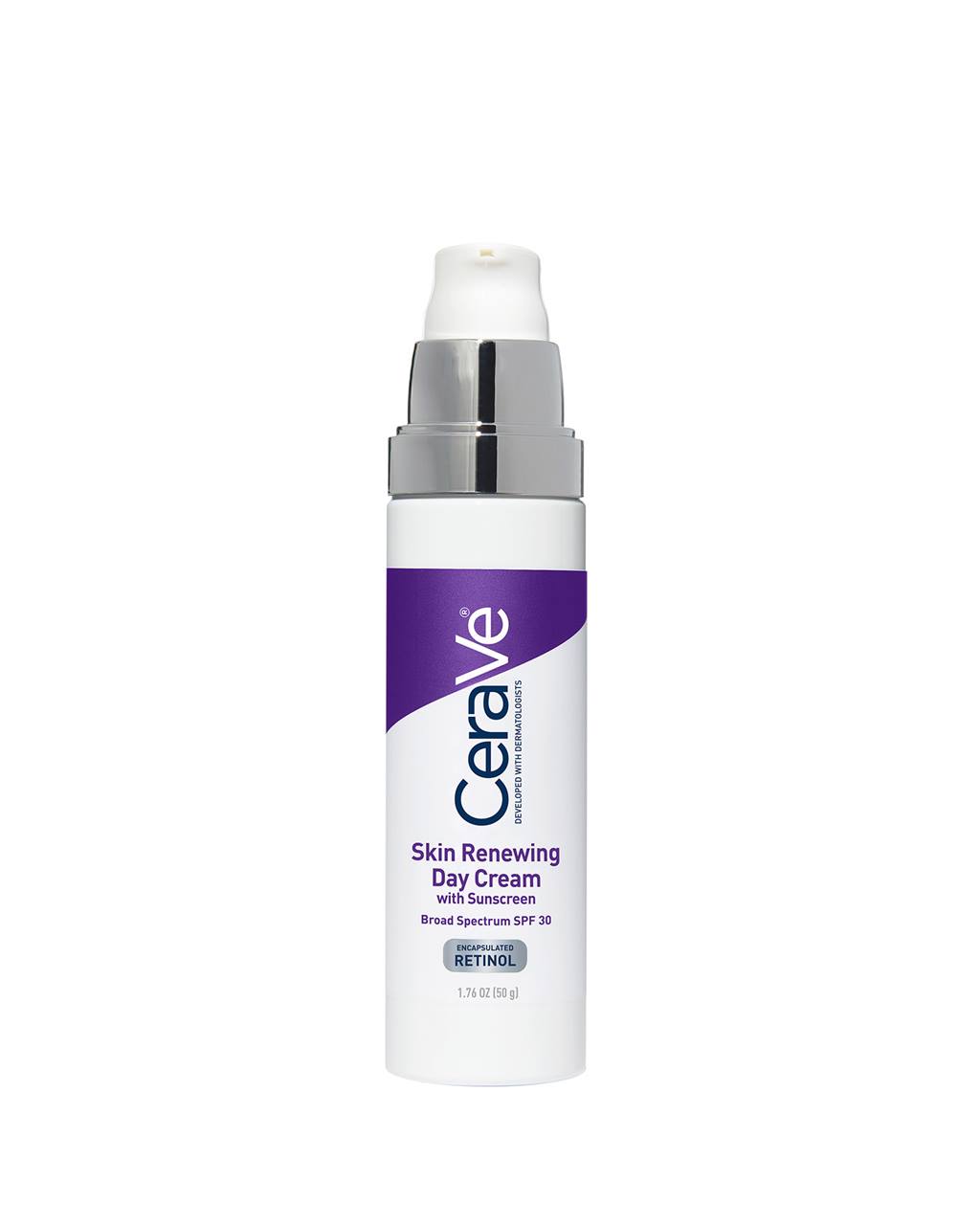
-
Estimated level
- 2.5–5%
-
Confidence
- High — bounded by a regulatory limit
-
Roles
-
UV filter
1st on the list. Regulation caps it at 5%, so it is present at roughly 2.5–5%.
2-Ethylhexyl salicylate
Anti-Aging
7 scientific references
- JAMA, January 2020, ePublication
- Cosmetic Ingredient Review, June 2019, pages 1-60
- Photochemical & Photobiological Sciences, June 2019, pages 1, 556–1, 564
- Catalysts, November 2017, ePublication
- Journal of the American Academy of Dermatology, June 2005, pages 937–956
- Skin Pharmacology and Applied Physiology, January-February 2003, pages 28–35
- International Journal of Toxicology, 2003, pages 1–108
-
Estimated level
- 5–20%
-
Confidence
- Moderate — INCI order above the 1% line
-
Roles
-
UV filter, Occlusive, Texture agent, Preservative
2nd on the list, which puts it at an estimated 5–20% of the formula.
Zinc oxide (CI 77947)
Anti-Aging
Soothing
Oil Control
9 scientific references
- Journal of Investigative Dermatology, February 2019, pages 277-278
- Nanomaterials, March 2017, pages 27-31
- Particle and Fibre Toxicology, August 2016, page 44
- International Journal of Cosmetic Science, June 2014, pages 273-283
- Indian Journal of Dermatology, September-October 2012, pages 335-342
- Archives of Toxicology, July 2012, pages 1063-1075
- Photodermatology, Photoimmunology, & Photomedicine, April 2011, pages 58-67
- American Journal of Clinical Dermatology, December 2010, pages 413-421
- https://cosmeticsinfoorg/ingredient/zinc-oxide-0?gclid=CjwKCAjw3_KIBhA2EiwAaAAlipF1YpJBfZrmUbDnK6jm68_2f-GfsdZ770fVI15BFzZJtiFcCJjAWxoC3SkQAvD_BwE
-
Estimated level
- 5–20%
-
Confidence
- Moderate — INCI order above the 1% line
-
Roles
-
Solvent
3rd on the list, which puts it at an estimated 5–20% of the formula.
Aqua (EU),Deionized Water,Distilled Water,Micromatrix Fractile AN,Onsen-Sui (JPN),Purified Water
Hydration
3 scientific references
- Skin Research and Technology, May 2015, pages 131-136
- Skin Pharmacology and Applied Skin Physiology, November-December 1999, pages 344-351
- Journal of Cosmetic Science, September-October 1993, pages 249-262
-
Estimated level
- 2–10%
-
Confidence
- Moderate — INCI order above the 1% line
-
Roles
-
Emollient, Solvent
4th on the list, which puts it at an estimated 2–10% of the formula.
Cyclomethicone is a generic name for a mixture of cyclic dimethyl polysiloxane compounds that conform to the formula, where n has a value between 4 and 6.
Hydration
Silicone
-
Estimated level
- 2–10%
-
Confidence
- Moderate — INCI order above the 1% line
-
Roles
-
Solvent
5th on the list, which puts it at an estimated 2–10% of the formula.
1,2-Dihydroxypentane
Hydration
4 scientific references
- https://thedermreviewcom/pentylene-glycol/
- Regulatory Toxicology and Pharmacology, July 2017, pages 106-111
- Prospector, June 2015, ePublication
- International Journal of Toxicology, October 2012, pages 147S-168S
-
Estimated level
- 2–10%
-
Confidence
- Moderate — INCI order above the 1% line
6th on the list, which puts it at an estimated 2–10% of the formula.
1,1,5,5,5-Hexamethyl-3-phenyl-3-[(trimethylsilyl)oxy]trisiloxane
Hydration
Silicone
5 scientific references
- International Journal of Toxicology, 2006, pages 1-89
- https://onlinepersonalcarecouncilorg/ctfa-static/online/lists/cir-pdfs/PRNS513pdf
- Journal of Cosmetic Science, June 2003, pages 335-351
- Silicone Surfactants, 1999, page 190
- International Journal of Toxicology, 1986, pages 353-371
-
Estimated level
- 1–5%
-
Confidence
- Moderate — INCI order above the 1% line
-
Roles
-
Emollient, Surfactant, Texture agent
7th on the list, which puts it at an estimated 1–5% of the formula.
Alcohols, C16-18
Hydration
4 scientific references
- CosmeticsInfoorg, Accessed March 2021, ePublication
- FDA Cosmetic Labeling Claims, August 2020, ePublication
- Journal of the Society of Cosmetic Scientists of Korea, June 2009, pages 103-110
- Journal of the American College of Toxicology, 1988, pages 359-413
-
Estimated level
- 1–5%
-
Confidence
- Moderate — INCI order above the 1% line
-
Roles
-
Surfactant
8th on the list, which puts it at an estimated 1–5% of the formula.
Poly(oxy-1,2-ethanediyl), .alpha.-(1-oxooctadecyl)-.omega.-hydroxy- (40 mol EO average molar ratio)
-
Estimated level
- 1–5%
-
Confidence
- Moderate — INCI order above the 1% line
-
Roles
-
Emollient, Occlusive
9th on the list, which puts it at an estimated 1–5% of the formula.
Dimethicone
Hydration
Silicone
7 scientific references
- FDA Code of Federal Regulations, April 2020, ePublication
- International Journal of Toxicology, May 2014, pages 65S-115S
- The Journal of Clinical and Aesthetic Dermatology, May 2014, pages 36-44
- Dermatologic Therapy, May 2012, pages 229-233
- Clinics in Dermatology, May-June 2012, pages 345-348
- International Journal of Cosmetic Science, January 2008, pages 19-33
- Skin Research and Technology, May 2000, pages 77-80
-
Estimated level
- 1–5%
-
Confidence
- Moderate — INCI order above the 1% line
-
Roles
-
Humectant, Occlusive, Texture agent, Solvent
10th on the list, which puts it at an estimated 1–5% of the formula.
Glycerine ;Glycerol (INN); Glycerol (RIFM); Glycerolum (EP); Glycyl Alcohol; 1,2,3-Propanetriol; 1,2,3-Trihydroxypropane
Hydration
Anti-Aging
6 scientific references
- Journal of Pharmaceutical Investigation, March 2021, pages 223-231
- International Journal of Toxicology, November/December 2019, Volume 38, Supplement 3, pages 6S-22S
- International Journal of Cosmetic Science, August 2016, ePublication
- British Journal of Dermatology, July 2008, pages 23-34
- Journal of Cosmetic Dermatology, June 2007, pages 75-82
- Proceedings of the National Academy of Sciences, June 2003, pages 7, 360-7, 365
-
Estimated level
- 1–3%
-
Confidence
- Moderate — INCI order above the 1% line
-
Roles
-
Emollient, Surfactant, Texture agent
11th on the list, which puts it at an estimated 1–3% of the formula.
Octadecan-1-ol
-
Estimated level
- under 1%
-
Confidence
- Moderate — listed below the 1% line
-
Roles
-
Preservative
12th on the list, below the 1% line — present at under 1%, which for most ingredients is the level they work at.
2-Phenoxyethanol
-
Estimated level
- under 1%
-
Confidence
- Moderate — listed below the 1% line
-
Roles
-
Antioxidant
13th on the list, below the 1% line — present at under 1%, which for most ingredients is the level they work at.
2,6-Di-tert-butyl-p-cresol
-
Estimated level
- under 1%
-
Confidence
- Moderate — listed below the 1% line
-
Roles
-
Emollient
14th on the list, below the 1% line — present at under 1%, which for most ingredients is the level they work at.
2,6,10,15,19,23-Hexamethyltetracosane
Hydration
Anti-Aging
9 scientific references
- Cosmetics Ingredient Review, 2019, ePublication
- ACS Open, July 2017, pages 3, 989–3, 996
- Indian Journal of Dermatology, May-June 2016, pages 279-297
- The Journal of Clinical and Aesthetic Dermatology, June 2014, pages 25-32
- Journal of Cosmetic Science, January-February 2013, pages 59-66
- Advances in Food and Nutrition Research, 2012, pages 223-233
- Molecules, January 2009, pages 540-554
- Journal of Investigative Dermatology, November 2006, pages 2, 430-2, 437
- Free Radical Research, April 2002, pages 471-477
-
Estimated level
- under 1%
-
Confidence
- Moderate — listed below the 1% line
-
Roles
-
Surfactant
15th on the list, below the 1% line — present at under 1%, which for most ingredients is the level they work at.
1-hexadecanol, phosphate, potassium salt
-
Estimated level
- under 1%
-
Confidence
- Moderate — listed below the 1% line
-
Roles
-
pH adjuster
16th on the list, below the 1% line — present at under 1%, which for most ingredients is the level they work at.
Potassium dihydrogenorthophosphate
-
Estimated level
- under 1%
-
Confidence
- Moderate — listed below the 1% line
-
Roles
-
Active
17th on the list, below the 1% line — present at under 1%, which for most ingredients is the level they work at.
Ceramide NP,1,3,4-Octadecanetriol, 2-Octadecanamide,Stearoyl-C18-Phytosphingosine,Stearoyl-4-Hydroxysphinganine
Hydration
Anti-Aging
11 scientific references
- International Journal of Toxicology, 2020, pages 5S-25S
- International Journal of Molecular Sciences, August 2019, pages 1-15
- Skin Pharmacology and Physiology, 2016, pages 135-147
- Biochimica et Biophysica Acta, October 2014, pages 2473-2483
- Journal of the American Academy of Dermatology, July 2014, pages 177-184
- Journal of Lipid Research, July 2008, pages 1, 466-1, 476
- Journal of Lipid Research, September 2007, pages 1936-1943
- American Journal of Clinical Dermatology, 2003, pages 107-129
- Contact Dermatitis, June 2002, pages 331-338
- Journal of Investigative Dermatology, November 2001, pages 1, 126-1, 136
- Skin Pharmacology and Applied Skin Physiology, September-October 2001, pages 261-271
-
Estimated level
- under 1%
-
Confidence
- Moderate — listed below the 1% line
-
Roles
-
Active
18th on the list, below the 1% line — present at under 1%, which for most ingredients is the level they work at.
1,3,4-Octadecanetriol, 2-(2-Hydroxy) Stearamide
Hydration
Anti-Aging
10 scientific references
- International Journal of Toxicology, 2020, pages 5S-25S
- International Journal of Molecular Sciences, August 2019, pages 1-15
- Biochimica et Biophysica Acta, October 2014, pages 2473-2483
- Journal of the American Academy of Dermatology, July 2014, pages 177-184
- Pharmaceutical Research, November 2012, pages 538-551
- Journal of Lipid Research, July 2008, pages 1, 466-1, 476
- Journal of Lipid Research, September 2007, pages 1936-1943
- American Journal of Clinical Dermatology, 2003, pages 107-129
- Journal of Investigative Dermatology, November 2001, pages 1, 126-1, 136
- Skin Pharmacology and Applied Skin Physiology, September-October 2001, pages 261-271
-
Estimated level
- under 1%
-
Confidence
- Moderate — listed below the 1% line
-
Roles
-
Active
19th on the list, below the 1% line — present at under 1%, which for most ingredients is the level they work at.
Ceramide EOP,1,3,4-Octadecanetriol, 2-Stearoyloxyheptacosamide,Stearoyloxyheptacosanoyl-C18-Phytosphingosine,Stearoyloxyheptacosanoyl-4-Hydroxysphinganine
Hydration
Anti-Aging
9 scientific references
- International Journal of Toxicology, 2020, pages 5S-25S
- International Journal of Molecular Sciences, August 2019, pages 1-15
- Biochimica et Biophysica Acta, October 2014, pages 2473-2483
- Journal of the American Academy of Dermatology, July 2014, pages 177-184
- Journal of Lipid Research, July 2008, pages 1, 466-1, 476
- Journal of Lipid Research, September 2007, pages 1936-1943
- American Journal of Clinical Dermatology, 2003, pages 107-129
- Journal of Investigative Dermatology, November 2001, pages 1, 126-1, 136
- Skin Pharmacology and Applied Skin Physiology, September-October 2001, pages 261-271
-
Estimated level
- under 1%
-
Confidence
- Moderate — listed below the 1% line
-
Roles
-
Surfactant
20th on the list, below the 1% line — present at under 1%, which for most ingredients is the level they work at.
Sorbitan, isooctadecanoate
-
Estimated level
- under 1%
-
Confidence
- Moderate — listed below the 1% line
-
Roles
-
Texture agent
21st on the list, below the 1% line — present at under 1%, which for most ingredients is the level they work at.
2-Propenoic acid, polymer with 2,2-bis(hydroxymethyl)propane-1,3-diol 2-propenyl ether
Synthetic polymer
-
Estimated level
- under 1%
-
Confidence
- Moderate — listed below the 1% line
-
Roles
-
Texture agent
22nd on the list, below the 1% line — present at under 1%, which for most ingredients is the level they work at.
Siloxanes and silicones, di-Me, crosspolymers with C3-20 alkyl groups
Silicone
-
Estimated level
- under 1%
-
Confidence
- Moderate — listed below the 1% line
-
Roles
-
Surfactant
23rd on the list, below the 1% line — present at under 1%, which for most ingredients is the level they work at.
Docosyltrimethylammonium methyl sulphate
Hydration
-
Estimated level
- under 1%
-
Confidence
- Moderate — listed below the 1% line
-
Roles
-
Surfactant
24th on the list, below the 1% line — present at under 1%, which for most ingredients is the level they work at.
C16-18 alcohols, ethoxylated (20 mol EO average molar ratio)
-
Estimated level
- under 1%
-
Confidence
- Moderate — listed below the 1% line
-
Roles
-
Emollient, Occlusive, Texture agent
25th on the list, below the 1% line — present at under 1%, which for most ingredients is the level they work at.
2-Propenoic acid, homopolymer, sodium salt
Oil Control
Synthetic polymer
7 scientific references
- International Food Research Journal, February 2021, pages 44 - 55
- Journal of Nanoscience and Nanotechnology, March 2018, pages 1, 611-1, 614
- Industrial & Engineering Chemistry Research, November 2014, pages 18, 346-18, 351
- Journal of Applied Polymer Science, November 2001, pages 1, 515-1, 520
- United States Patent, April 2000, ePublication
- https://wwwsocochemcom/is-sodium-polyacrylate-safehtml
- https://wwwcir-safetyorg/sites/default/files/acryco092018TARpdf
-
Estimated level
- under 1%
-
Confidence
- Moderate — listed below the 1% line
-
Roles
-
Emollient, Surfactant
26th on the list, below the 1% line — present at under 1%, which for most ingredients is the level they work at.
Lecithins. The complex combination of diglycerides of fatty acids linked to the choline ester of phosphoric acid
Hydration
5 scientific references
- Cosmetics, November 2020, pages 1-19
- International Journal of Toxicology, September 2020, pages 5S-25S
- Molecules, March 2020, pages 1-9
- Journal of the American Oil Chemists' Society, March 2014, pages 1, 093-1, 101
- Scientia Pharmaceutica, July 2013, pages 1, 151-1, 166
-
Estimated level
- under 1%
-
Confidence
- Moderate — listed below the 1% line
-
Roles
-
Active
27th on the list, below the 1% line — present at under 1%, which for most ingredients is the level they work at.
Retinol; vitamin A
Anti-Aging
Anti-Acne
Pore Minimizer
Pregnancy Unsafe
10 scientific references
- Journal of Drugs in Dermatology, September 2019, pages 918-923; and March 2015, pages 271-280
- Experimental Dermatology, August 2019, pages 906-913
- Archives of Dermatological Research, May 2017, pages 275-283
- International Journal of Cosmetic Science, February 2017, pages 56-65
- Dermatology, May 2014, pages 314-325
- Dermatoendocrinology, July 2012, issue 3, pages 308-319
- Toxicological Research, March 2010, pages 61-66
- Archives of Dermatology, May 2007, pages 606-612
- The Journal of Pathology, January 2007, issue 2, pages 241-251
- Clinical Interventions in Aging, December 2006, pages 327-348
-
Estimated level
- under 1%
-
Confidence
- Moderate — listed below the 1% line
-
Roles
-
Surfactant
28th on the list, below the 1% line — present at under 1%, which for most ingredients is the level they work at.
Sodium 2-(1-carboxylatoethoxy)-1-methyl-2-oxoethyl laurate
-
Estimated level
- under 1%
-
Confidence
- Moderate — listed below the 1% line
-
Roles
-
Emollient, Surfactant, Texture agent
29th on the list, below the 1% line — present at under 1%, which for most ingredients is the level they work at.
Cholest-5-en-3-ol (beta)-
Hydration
Anti-Aging
4 scientific references
- Frontiers in Bioengineering and Biotechnology, August 2015, pages 1-6
- Journal of Cosmetic Dermatology, July 2007, pages 239-242
- Journal of Structural Biology, June 2007, pages 386-400
- International Journal of Toxicology, 2006, pages 1-89
-
Estimated level
- under 1%
-
Confidence
- Moderate — listed below the 1% line
-
Roles
-
Texture agent, Chelator
30th on the list, below the 1% line — present at under 1%, which for most ingredients is the level they work at.
Disodium dihydrogen ethylenediaminetetraacetate
-
Estimated level
- under 1%
-
Confidence
- Moderate — listed below the 1% line
-
Roles
-
Preservative
31st on the list, below the 1% line — present at under 1%, which for most ingredients is the level they work at.
1,2-Propanediol, 3-(4-chlorophenoxy)-
-
Estimated level
- under 1%
-
Confidence
- Moderate — listed below the 1% line
-
Roles
-
Texture agent, Solvent, Preservative
32nd on the list, below the 1% line — present at under 1%, which for most ingredients is the level they work at.
Ethanol
Hydration
Alcohol
-
Estimated level
- under 1%
-
Confidence
- Moderate — listed below the 1% line
-
Roles
-
Texture agent
33rd on the list, below the 1% line — present at under 1%, which for most ingredients is the level they work at.
Hydroxyethyl Acrylate/Sodium Acryloyldimethyl Taurate Copolymer is a copolymer of sodium hydroxyethyl acrylate and acryloyldimethyl taurate monomers
Synthetic polymer
-
Estimated level
- under 1%
-
Confidence
- Moderate — listed below the 1% line
-
Roles
-
Active, Chelator, pH adjuster
34th on the list, below the 1% line — present at under 1%, which for most ingredients is the level they work at.
2-Hydroxy-1,2,3-propanetricarboxylic acid
-
Estimated level
- under 1%
-
Confidence
- Moderate — listed below the 1% line
-
Roles
-
Emollient, Surfactant, Texture agent
35th on the list, below the 1% line — present at under 1%, which for most ingredients is the level they work at.
Glycerides, palm-oil mono-, di- and tri-, hydrogenated
Hydration
8 scientific references
- Supercharged Hydration
- How Hyaluronic Acid Benefits Skin
- What is Dehydrated Skin & How to Choose the Best Products
- What Your Moisturizer Must Contain
- Moisturizer Myths You Should Stop Believing Now
- The Benefits of Glycerin in Skin Care
- The Best Face Oils for Skin
- How Facial Oils Help Skin
-
Estimated level
- under 1%
-
Confidence
- Moderate — listed below the 1% line
-
Roles
-
Active, Antioxidant
36th on the list, below the 1% line — present at under 1%, which for most ingredients is the level they work at.
Tetrakis(2-hexyldecyl) ascorbate
Anti-Aging
Evens Skin Tone
Dark Spot Fading
8 scientific references
- Cosmeceuticals Aesthetic Dermatology, Volume 5, 2021, pages 38-46
- Journal of Cosmetic Dermatology, December 2020, pages 3, 251-3, 257
- The Journal of Clinical and Aesthetic Dermatology, April 2019, pages 46-53
- Skin Therapy Letter, Volume 21, Number 1, July 2016, ePublication
- Journal of Drugs in Dermatology, March 2013, pages 16-20
- Clinics in Dermatology, July-August 2008, pages 367-374
- Dermatologic Surgery, March 2002, pages 231-236
- https://wwwcir-safetyorg/sites/default/files/ethasb062017reppdf
-
Estimated level
- under 1%
-
Confidence
- Moderate — listed below the 1% line
-
Roles
-
Humectant, Active
37th on the list, below the 1% line — present at under 1%, which for most ingredients is the level they work at.
Hydrolyzed Hyaluronic Acid is the hydrolysate of Hyaluronic Acid derived by acid, enzyme or other method of hydrolysis
Hydration
-
Estimated level
- under 1%
-
Confidence
- Moderate — listed below the 1% line
-
Roles
-
Plant extract
38th on the list, below the 1% line — present at under 1%, which for most ingredients is the level they work at.
Iris Florentina Root Extract is an extract of the roots of the Orris, Iris florentina L., Iridaceae
-
Estimated level
- under 1%
-
Confidence
- Moderate — listed below the 1% line
-
Roles
-
Surfactant, Texture agent
39th on the list, below the 1% line — present at under 1%, which for most ingredients is the level they work at.
Xanthan gum
-
Estimated level
- under 1%
-
Confidence
- Moderate — listed below the 1% line
40th on the list, below the 1% line — present at under 1%, which for most ingredients is the level they work at.
1,3,4-Octadecanetriol, 2-amino-, (2S, 3S, 4R)-
Anti-Aging
Hydration
6 scientific references
- Journal of Dermatological Science, January 2020, Volume 97, Issue 1, pages 2-8
- Archives of Dermatological Research, December 2017, Volume 309, Issue 10, pages 795-803
- Biochimica et Biophysica Acta: Biomembranes, May 2017, Volume 1859, Issue 5, pages 824-834
- International Journal of Cosmetic Science, June 2007, Volume 29, Issue 3, pages 181-190
- Molecular Medicine, January-March 2006, pages 17-24
- Journal of Investigative Dermatology, October 2003, issue 5, pages 1135–1137
-
Estimated level
- under 1%
-
Confidence
- Moderate — listed below the 1% line
-
Roles
-
Humectant, Texture agent, Solvent
41st on the list, below the 1% line — present at under 1%, which for most ingredients is the level they work at.
Butane-1,3-diol (CAS No. 107-88-0/ EC No. 203-529-7)
(R)-(-)-butane-1,3-diol” (CAS No. 6290-03-5/ EC No. 228-532-0)
Hydration
5 scientific references
- CosmeticsInfoorg, Accessed March 2021, ePublication
- US Food and Drug Administration Code of Federal Regulations</em>, Accessed March 2021, ePublication
- International Journal of Toxicology, May 2011, pages 5S-16S
- Skin Research and Technology, November 2007, pages 417-24
- Journal of the American College of Toxicology, September 1985, pages 223-248
-
Estimated level
- under 1%
-
Confidence
- Moderate — listed below the 1% line
-
Roles
-
Occlusive
42nd on the list, below the 1% line — present at under 1%, which for most ingredients is the level they work at.
Cyclosiloxanes, dimethyl, polymers with dimethyl, methyl hydrogen siloxanes and vinyl-group terminated dimethylsiloxanes
-
Estimated level
- under 1%
-
Confidence
- Moderate — listed below the 1% line
-
Roles
-
Surfactant
43rd on the list, below the 1% line — present at under 1%, which for most ingredients is the level they work at.
Sorbitan, monooctadecanoate, poly(oxy-1,2-ethanediyl) derivs.
-
Estimated level
- under 1%
-
Confidence
- Moderate — listed below the 1% line
44th on the list, below the 1% line — present at under 1%, which for most ingredients is the level they work at.
1,2-Propanediol, 3-(2-ethylhexyloxy)
Hydration
5 scientific references
- PLoS One, October 2016, ePublication
- Contact Dermatitis, May 2016, pages 281-288
- International Journal of Toxicology, September 2013, pages 5S-21S
- Personal Care, 2008, pages 1-4
- Cosmetic Science Technology, 2006, pages 1-11
-
Estimated level
- under 1%
-
Confidence
- Moderate — listed below the 1% line
-
Roles
-
Surfactant
45th on the list, below the 1% line — present at under 1%, which for most ingredients is the level they work at.
Sorbitan, monododecanoate, poly(oxy-1,2-ethanediyl) derivs.