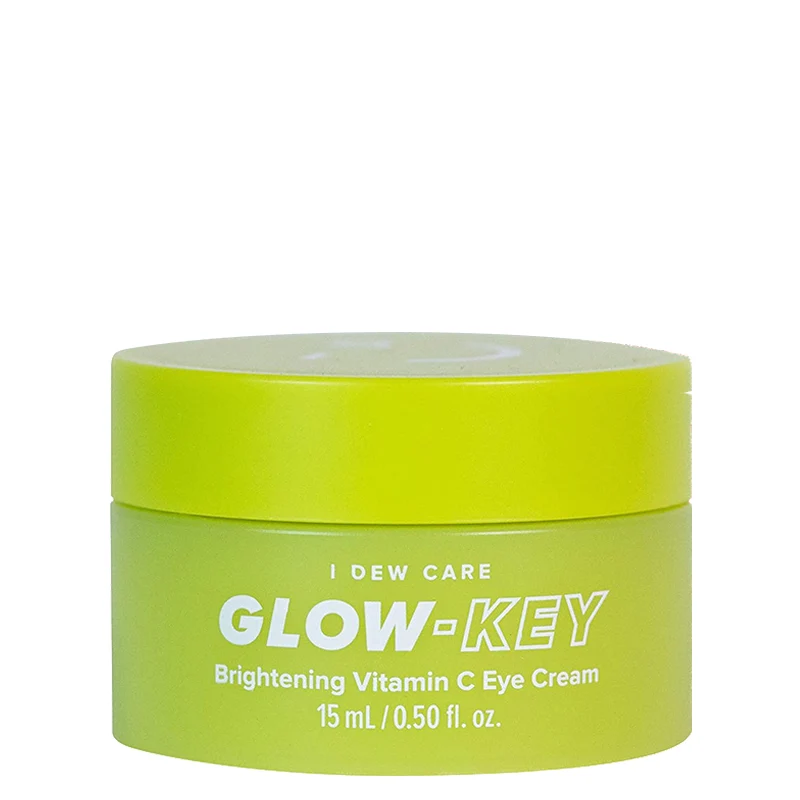
-
Estimated level
- 30–80%
-
Confidence
- Moderate — INCI order above the 1% line
-
Roles
-
Solvent
1st on the list, which puts it at an estimated 30–80% of the formula.
Aqua (EU),Deionized Water,Distilled Water,Micromatrix Fractile AN,Onsen-Sui (JPN),Purified Water
Hydration
3 scientific references
- Skin Research and Technology, May 2015, pages 131-136
- Skin Pharmacology and Applied Skin Physiology, November-December 1999, pages 344-351
- Journal of Cosmetic Science, September-October 1993, pages 249-262
-
Estimated level
- 5–20%
-
Confidence
- Moderate — INCI order above the 1% line
-
Roles
-
Humectant, Occlusive, Texture agent, Solvent
2nd on the list, which puts it at an estimated 5–20% of the formula.
Glycerine ;Glycerol (INN); Glycerol (RIFM); Glycerolum (EP); Glycyl Alcohol; 1,2,3-Propanetriol; 1,2,3-Trihydroxypropane
Hydration
Anti-Aging
6 scientific references
- Journal of Pharmaceutical Investigation, March 2021, pages 223-231
- International Journal of Toxicology, November/December 2019, Volume 38, Supplement 3, pages 6S-22S
- International Journal of Cosmetic Science, August 2016, ePublication
- British Journal of Dermatology, July 2008, pages 23-34
- Journal of Cosmetic Dermatology, June 2007, pages 75-82
- Proceedings of the National Academy of Sciences, June 2003, pages 7, 360-7, 365
-
Estimated level
- 5–20%
-
Confidence
- Moderate — INCI order above the 1% line
-
Roles
-
Emollient, Surfactant
3rd on the list, which puts it at an estimated 5–20% of the formula.
Bis(16-methylheptadecyl) malate
Hydration
8 scientific references
- Supercharged Hydration
- How Hyaluronic Acid Benefits Skin
- What is Dehydrated Skin & How to Choose the Best Products
- What Your Moisturizer Must Contain
- Moisturizer Myths You Should Stop Believing Now
- The Benefits of Glycerin in Skin Care
- The Best Face Oils for Skin
- How Facial Oils Help Skin
-
Estimated level
- 2–10%
-
Confidence
- Moderate — INCI order above the 1% line
-
Roles
-
Emollient, Texture agent
4th on the list, which puts it at an estimated 2–10% of the formula.
C6-14-alkenes, homopolymers, hydrogenated
-
Estimated level
- under 1%
-
Confidence
- Moderate — listed below the 1% line
-
Roles
-
Solvent
5th on the list, below the 1% line — present at under 1%, which for most ingredients is the level they work at.
-
Estimated level
- under 1%
-
Confidence
- Moderate — listed below the 1% line
-
Roles
-
Emollient
6th on the list, below the 1% line — present at under 1%, which for most ingredients is the level they work at.
Hexadecanoic acid, 2-ethylhexyl ester; Octyl palmitate
Hydration
5 scientific references
- Dermatology Clinics and Research, August 2019, pages 239-271
- Clinical Medicine and Research, December 2017, pages 75-87
- International Journal of Toxicology, Volume 34, Issue 2, Supplement, September 2015, pages 5S-69S
- Molecules, February 2015, pages 2, 492-2, 509
- British Journal of Dermatology, October 2010, pages 695-703
-
Estimated level
- under 1%
-
Confidence
- Moderate — listed below the 1% line
7th on the list, below the 1% line — present at under 1%, which for most ingredients is the level they work at.
Limnanthes Alba (Meadowfoam) Seed Oil is the oil extracted from the seeds of the meadowfoam plant, Limnanthes alba, Limnanthaceae.
Hydration
Anti-Aging
-
Estimated level
- under 1%
-
Confidence
- Moderate — listed below the 1% line
-
Roles
-
Active
8th on the list, below the 1% line — present at under 1%, which for most ingredients is the level they work at.
Niacinamide (vitamin B3) is a gentle skincare active that repairs the skin barrier, calms redness, controls oil and evens tone at 2–5%. Official IUPAC name: **3-Pyridinecarboxamide**
Soothing
Anti-Aging
Pore Minimizer
15 scientific references
- International Journal of Dermatology, February 2021, pages 166-173
- Biomolecules & Therapeutics, July 2019, pages 562-569
- Experimental Dermatology, February 2019, pages 15-22
- Dermatologic Therapy, September 2017, ePublication
- Journal of Investigative Dermatology, May 2017, page S116
- International Journal of Pharmaceutics, March 2017, pages 158-162
- Facial Plastic Surgery Clinics of North America, May 2016, pages 145-152
- Clinical, Cosmetic, and Investigational Dermatology, July 2015, pages 405-412
- Skin Pharmacology and Physiology, June 2014, pages 311-315
- International Journal of Pharmacy, January 2013, pages 192-201
- Dermatoendrocrinology, July 2012, pages 308-319
- International Journal of Toxicology, September 2005, pages 1-31
- Dermatologic Surgery, July 2005, pages 860-865
- International Journal of Cosmetic Science, October 2004, pages 231-238
- Journal of Cosmetic Dermatology, April 2004, pages 88-93
-
Estimated level
- under 1%
-
Confidence
- Moderate — listed below the 1% line
-
Roles
-
Emollient, Texture agent
9th on the list, below the 1% line — present at under 1%, which for most ingredients is the level they work at.
2,2-bis[[(2-Ethyl-1-oxohexyl)oxy]methyl]propane-1,3-diyl bis(2-ethylhexanoate)
Hydration
-
Estimated level
- under 1%
-
Confidence
- Moderate — listed below the 1% line
-
Roles
-
Texture agent
10th on the list, below the 1% line — present at under 1%, which for most ingredients is the level they work at.
Polymer formed by hydrolysis and condensation of methyltrimethoxysilane
Microplastic
-
Estimated level
- under 1%
-
Confidence
- Moderate — listed below the 1% line
-
Roles
-
Emollient, Texture agent
11th on the list, below the 1% line — present at under 1%, which for most ingredients is the level they work at.
Tetradecyl myristate
Hydration
4 scientific references
- CosmeticsInfoorg, Accessed March 2021, ePublication
- Molecules, November 2020, pages 1–18
- International Journal of Toxicology, July 2020, pages 162S-186S
- Journal of the American College of Toxicology, Volume 1, Number 4, 1982, pages 55–80
-
Estimated level
- under 1%
-
Confidence
- Moderate — listed below the 1% line
-
Roles
-
Surfactant, Texture agent
12th on the list, below the 1% line — present at under 1%, which for most ingredients is the level they work at.
Poly(oxy-1,2-ethanediyl), .alpha.-(1-oxooctadecyl)-.omega.-[(1-oxooctadecyl)oxy]- (150 mol EO average molar ratio)
-
Estimated level
- under 1%
-
Confidence
- Moderate — listed below the 1% line
-
Roles
-
Surfactant
13th on the list, below the 1% line — present at under 1%, which for most ingredients is the level they work at.
Methyl-D-glucopyranoside, ethers with 1,2,3-propanetriol homopolymer, octadecanoates (1:1:2) (3 mol glycerol average molar ratio)
-
Estimated level
- under 1%
-
Confidence
- Moderate — listed below the 1% line
-
Roles
-
Emollient, Surfactant, Texture agent
14th on the list, below the 1% line — present at under 1%, which for most ingredients is the level they work at.
Alcohols, C16-18
Hydration
4 scientific references
- CosmeticsInfoorg, Accessed March 2021, ePublication
- FDA Cosmetic Labeling Claims, August 2020, ePublication
- Journal of the Society of Cosmetic Scientists of Korea, June 2009, pages 103-110
- Journal of the American College of Toxicology, 1988, pages 359-413
-
Estimated level
- under 1%
-
Confidence
- Moderate — listed below the 1% line
-
Roles
-
UV filter, Texture agent
15th on the list, below the 1% line — present at under 1%, which for most ingredients is the level they work at.
Titanium dioxide (CI 77891)
Anti-Aging
10 scientific references
- Journal of Cosmetic Dermatology, February 2021, pages 532-537
- Frontiers in Bioengineering and Biotechnology, June 2020
- Journal of Nanoparticle Research, March 2020
- Journal of the European Academy of Dermatology and Venereology, November 2019, pages 34-46
- Photodermatology, Photoimmunology and Photomedicine, November 2019, pages 442-446
- Journal of Cosmetic Science, September 2019, pages 223-234
- Materials, July 2019, pages 1-24
- Photodermatology, Photoimmunology, and Photomedicine, April 2011, pages 58-67
- Skin Therapy Letter, July-August 2008, pages 5-7
- Environmental and Health Perspectives, July 2008, pages 893
-
Estimated level
- under 1%
-
Confidence
- Moderate — listed below the 1% line
-
Roles
-
Occlusive, Texture agent
16th on the list, below the 1% line — present at under 1%, which for most ingredients is the level they work at.
Hydrogenated Olive Oil Lauryl Esters is a complex mixture of esters produced by the reaction of lauryl alcohol and Hydrogenated Olive Oil
-
Estimated level
- under 1%
-
Confidence
- Moderate — listed below the 1% line
-
Roles
-
Solvent
17th on the list, below the 1% line — present at under 1%, which for most ingredients is the level they work at.
1,2-Dihydroxypentane
Hydration
4 scientific references
- https://thedermreviewcom/pentylene-glycol/
- Regulatory Toxicology and Pharmacology, July 2017, pages 106-111
- Prospector, June 2015, ePublication
- International Journal of Toxicology, October 2012, pages 147S-168S
-
Estimated level
- under 1%
-
Confidence
- Moderate — listed below the 1% line
-
Roles
-
Emollient
18th on the list, below the 1% line — present at under 1%, which for most ingredients is the level they work at.
2,6,10,15,19,23-Hexamethyltetracosane
Hydration
Anti-Aging
9 scientific references
- Cosmetics Ingredient Review, 2019, ePublication
- ACS Open, July 2017, pages 3, 989–3, 996
- Indian Journal of Dermatology, May-June 2016, pages 279-297
- The Journal of Clinical and Aesthetic Dermatology, June 2014, pages 25-32
- Journal of Cosmetic Science, January-February 2013, pages 59-66
- Advances in Food and Nutrition Research, 2012, pages 223-233
- Molecules, January 2009, pages 540-554
- Journal of Investigative Dermatology, November 2006, pages 2, 430-2, 437
- Free Radical Research, April 2002, pages 471-477
-
Estimated level
- under 1%
-
Confidence
- Moderate — listed below the 1% line
-
Roles
-
Soothing, Plant extract, Preservative
19th on the list, below the 1% line — present at under 1%, which for most ingredients is the level they work at.
Euphrasia Officinalis Extract is an extract of the aerial parts of the Eye Bright, Euphrasia officinalis L., Scrophulariaceae
-
Estimated level
- under 1%
-
Confidence
- Moderate — listed below the 1% line
-
Roles
-
Humectant, Active
20th on the list, below the 1% line — present at under 1%, which for most ingredients is the level they work at.
Hydrolyzed Hyaluronic Acid is the hydrolysate of Hyaluronic Acid derived by acid, enzyme or other method of hydrolysis
Hydration
-
Estimated level
- under 1%
-
Confidence
- Moderate — listed below the 1% line
-
Roles
-
Active, Antioxidant, pH adjuster
21st on the list, below the 1% line — present at under 1%, which for most ingredients is the level they work at.
Ascorbic acid
Anti-Aging
Dark Spot Fading
Evens Skin Tone
12 scientific references
- Drug Delivery, February 2021, pages 445-453
- Journal of Cosmetic Dermatology, December 2020, pages 3, 262-3, 269
- Journal of Oral and Maxillofacial Pathology, May-August 2020, pages 374-382
- Journal of Cosmetic Dermatology, March 2020, pages 671-676
- Journal of Clinical and Aesthetic Dermatology, July 2017 pages 14-17
- Journal of Drugs in Dermatology, July 2016, pages 863-867
- Clinical, Cosmetic, and Investigational Dermatology, September 2015, pages 463-470
- Indian Dermatology Online Journal, April-June 2013, pages 143-146
- AAPS PharmSciTech, July 2011, pages 917-923
- Journal of Drugs in Dermatology, July 2008, Supplement, pages s2-s6
- International Journal of Toxicology, Supplement 2, March 2005, pages 51-111
- Skin Pharmacology and Physiology, July-August 2004, pages 200-206
-
Estimated level
- under 1%
-
Confidence
- Moderate — listed below the 1% line
-
Roles
-
Peptide
22nd on the list, below the 1% line — present at under 1%, which for most ingredients is the level they work at.
Palmitoyl Tripeptide-5 is the reaction product of palmitic acid and Tripeptide-5
Anti-Aging
6 scientific references
- Molecules, March 2023, pages 1–12
- Pharmaceuticals, July 2021, pages 1–22
- Frontiers in Chemistry, October 2020, pages 1–8
- Journal of Topical and Cosmetic Science, October 2020, pages 77–82
- Household and Personal Care Today, November/December 2015, pages 6–11
- The Journal of Clinical and Aesthetic Dermatology, March 2009, pages 38–43
-
Estimated level
- under 1%
-
Confidence
- Moderate — listed below the 1% line
-
Roles
-
UV filter, Humectant, Emollient, Occlusive, Antioxidant, Plant extract, Preservative
23rd on the list, below the 1% line — present at under 1%, which for most ingredients is the level they work at.
Camellia Sinensis Leaf Extract is an extract of the leaves of the Tea, Camellia sinensis, Theaceae
Anti-Aging
Soothing
-
Estimated level
- under 1%
-
Confidence
- Moderate — listed below the 1% line
-
Roles
-
Plant extract
24th on the list, below the 1% line — present at under 1%, which for most ingredients is the level they work at.
Luffa Cylindrica Fruit Extract is an extract of the fruit of the Sponge Loofah, Luffa cylindrica, Cucurbitaceae
-
Estimated level
- under 1%
-
Confidence
- Moderate — listed below the 1% line
-
Roles
-
Plant extract
25th on the list, below the 1% line — present at under 1%, which for most ingredients is the level they work at.
Psidium Guajava Fruit Extract is an extract of the fruit of the Guava, Psidium guajava L., Myrtaceae
Anti-Aging
-
Estimated level
- under 1%
-
Confidence
- Moderate — listed below the 1% line
-
Roles
-
Plant extract
26th on the list, below the 1% line — present at under 1%, which for most ingredients is the level they work at.
Psidium Guajava Leaf Extract is an extract of the leaves of the Guava, Psidium guajava L., Myrtaceae
-
Estimated level
- under 1%
-
Confidence
- Moderate — listed below the 1% line
-
Roles
-
Antioxidant
27th on the list, below the 1% line — present at under 1%, which for most ingredients is the level they work at.
3,4-Dihydro-2,5,7,8-tetramethyl-2-(4,8,12-trimethyltridecyl)-2H-benzopyran-6-ol; .alpha.-tocopherol; Vitamin E
Anti-Aging
Evens Skin Tone
Soothing
4 scientific references
- Journal or Agricultural and Food Chemistry, June 2010, pages 7013-7020
- Journal of Investigative Dermatology, November 2001, pages 1212-1217
- Canadian Family Physician, July 2006, pages 855-856
- Dermatologic Surgery, April 1999, pages 311-315
-
Estimated level
- under 1%
-
Confidence
- Moderate — listed below the 1% line
28th on the list, below the 1% line — present at under 1%, which for most ingredients is the level they work at.
Cyanocobalamin; Vitamine B12
Anti-Aging
8 scientific references
- 5 Super Anti-Aging Antioxidants Your Skin Needs
- How to Keep Your Neck & Chest Looking Young
- Acne & Aging Skin
- How to Diminish Uneven Skin Tone and Get Your Glow Back
- What Are Peptides and What Do They Do for Skin?
- The Truth About Firming Creams
- Top 5 Reasons to Add Antioxidants to Your Skin Care Routine
- Anti-Aging Superstars
-
Estimated level
- under 1%
-
Confidence
- Moderate — listed below the 1% line
-
Roles
-
Plant extract
29th on the list, below the 1% line — present at under 1%, which for most ingredients is the level they work at.
Coffea Arabica Seed Extract is an extract of the beans of the Coffee plant, Coffea arabica L., Rubiaceae
Anti-Aging
1 scientific reference
-
Estimated level
- under 1%
-
Confidence
- Moderate — listed below the 1% line
-
Roles
-
Surfactant
30th on the list, below the 1% line — present at under 1%, which for most ingredients is the level they work at.
Lecithins, hydrogenated
Hydration
4 scientific references
- International Journal of Toxicology, September 2020, pages 5S-25S
- Nanocosmetics, June 2019, pages 95–140
- Current Drug Delivery, 2016, pages 111–120
- Pharmaceutical Research, February 2013, pages 538–55
-
Estimated level
- under 1%
-
Confidence
- Moderate — listed below the 1% line
-
Roles
-
Emollient, Surfactant
31st on the list, below the 1% line — present at under 1%, which for most ingredients is the level they work at.
Stearic acid, monoester with glycerol
Hydration
3 scientific references
- Cosmeticsinfoorg, Accessed November 2021, ePublication
- Drugs in Context, April 2018, pages 1-14
- International Journal of Toxicology, May 2007, pages 1–30
-
Estimated level
- under 1%
-
Confidence
- Moderate — listed below the 1% line
-
Roles
-
Texture agent, Fragrance / colour
32nd on the list, below the 1% line — present at under 1%, which for most ingredients is the level they work at.
Mica is a series of silicate minerals of varying chemical composition but with similar physical properties. Mica may have well-defined cleavage and split into very thin sheets.
-
Estimated level
- under 1%
-
Confidence
- Moderate — listed below the 1% line
-
Roles
-
Texture agent
33rd on the list, below the 1% line — present at under 1%, which for most ingredients is the level they work at.
Hydroxyethyl Acrylate/Sodium Acryloyldimethyl Taurate Copolymer is a copolymer of sodium hydroxyethyl acrylate and acryloyldimethyl taurate monomers
Synthetic polymer
-
Estimated level
- under 1%
-
Confidence
- Moderate — listed below the 1% line
34th on the list, below the 1% line — present at under 1%, which for most ingredients is the level they work at.
Copernicia Cerifera (Carnauba) Wax is a wax obtained from the leaves and leaf buds of Copernicia cerifera, Palmaceae.
-
Estimated level
- under 1%
-
Confidence
- Moderate — listed below the 1% line
35th on the list, below the 1% line — present at under 1%, which for most ingredients is the level they work at.
Theobroma Grandiflorum Seed Butter is the fat obtained from the seeds of Theobroma grandiflorum, Sterculiaceae
Anti-Aging
Hydration
-
Estimated level
- under 1%
-
Confidence
- Moderate — listed below the 1% line
36th on the list, below the 1% line — present at under 1%, which for most ingredients is the level they work at.
Decanoic acid, ester with 1,2,3-propanetriol octanoate;
Glycerides, mixed decanoyl and octanoyl
Hydration
5 scientific references
- International Journal of Toxicology, September 2020, pages 34-35
- Periodica Polytechnica Chemical Engineering, 2014, pages 43-48
- International Journal of Toxicology, January 2003, pages 4-5
- Food and Chemical Toxicology, January 2000, pages 79-98
- Journal of the Society of Cosmetic Chemists, August 1985, pages 303-311
-
Estimated level
- under 1%
-
Confidence
- Moderate — listed below the 1% line
-
Roles
-
Emollient
37th on the list, below the 1% line — present at under 1%, which for most ingredients is the level they work at.
Octane-1,2-diol
-
Estimated level
- under 1%
-
Confidence
- Moderate — listed below the 1% line
-
Roles
-
Surfactant, Texture agent
38th on the list, below the 1% line — present at under 1%, which for most ingredients is the level they work at.
Docosanoic acid
-
Estimated level
- under 1%
-
Confidence
- Moderate — listed below the 1% line
-
Roles
-
Exfoliant, Texture agent
39th on the list, below the 1% line — present at under 1%, which for most ingredients is the level they work at.
Silicon dioxide
Oil Control
6 scientific references
- Advances in Colloid and Interface Science, July 2021, page 10, 2437
- Cosmetic Ingredient Review, October 2019, pages 1-34
- Nanomedicine, August 2019, pages 2, 243-2, 267
- Biological and Pharmaceutical Bulletin, 2016, pages 1, 201-1, 205
- European Journal of Pharmaceutics and Biopharmaceutics, January 2015, pages 116-125
- Cosmetics & Toiletries, April 2015, pages 36-45
-
Estimated level
- under 1%
-
Confidence
- Moderate — listed below the 1% line
-
Roles
-
Texture agent
40th on the list, below the 1% line — present at under 1%, which for most ingredients is the level they work at.
Fluorphlogopite, Mg3K[AlF2O(SiO3)3] (synthetic)
-
Estimated level
- under 1%
-
Confidence
- Moderate — listed below the 1% line
-
Roles
-
Emollient, Surfactant, Texture agent
41st on the list, below the 1% line — present at under 1%, which for most ingredients is the level they work at.
Stearic acid
Hydration
4 scientific references
- Cosmetic Ingredient Review, May 2019, pages 1-61
- International Journal of Cosmetic Science, August 2008, page 310
- Therapeutics for the Clinician, May 2005, pages 317-324
- Journal of Cosmetic Science, December 2003, pages 559-568
-
Estimated level
- under 1%
-
Confidence
- Moderate — listed below the 1% line
-
Roles
-
Emollient, Texture agent
42nd on the list, below the 1% line — present at under 1%, which for most ingredients is the level they work at.
Docosan-1-ol
Hydration
5 scientific references
- International Journal of Cosmetic Science, April 2017, pages 206-216
- International Journal of Toxicology, May 2014, pages 77-142
- Expert Opinion on Pharmacotherapy, March 2010, Volume 11, pages 853-860
- Journal of the American College of Toxicology, 1988, pages 1-55
- CosmeticsInfoorg, ePublication
-
Estimated level
- under 1%
-
Confidence
- Moderate — listed below the 1% line
-
Roles
-
Emollient, Surfactant, Texture agent
43rd on the list, below the 1% line — present at under 1%, which for most ingredients is the level they work at.
Octadecan-1-ol
-
Estimated level
- under 1%
-
Confidence
- Moderate — listed below the 1% line
-
Roles
-
Emollient
44th on the list, below the 1% line — present at under 1%, which for most ingredients is the level they work at.
Olive oil, unsaponifiable fraction, hydrogenated
-
Estimated level
- under 1%
-
Confidence
- Moderate — listed below the 1% line
-
Roles
-
Surfactant, Texture agent
45th on the list, below the 1% line — present at under 1%, which for most ingredients is the level they work at.
Xanthan gum
-
Estimated level
- under 1%
-
Confidence
- Moderate — listed below the 1% line
-
Roles
-
Fragrance / colour
46th on the list, below the 1% line — present at under 1%, which for most ingredients is the level they work at.
Parfum is a term for ingredient labelling used to identify that a product contains a material or a combination of materials normally added to a cosmetic to produce or to mask a particular odour. According to Article 19 of the Cosmetics Regulation, 'Perfume and aromatic compositions and their raw materials shall be referred to by the terms ‘parfum’ or ‘aroma’. '
-
Estimated level
- under 1%
-
Confidence
- Moderate — listed below the 1% line
47th on the list, below the 1% line — present at under 1%, which for most ingredients is the level they work at.
1,2-Propanediol, 3-(2-ethylhexyloxy)
Hydration
5 scientific references
- PLoS One, October 2016, ePublication
- Contact Dermatitis, May 2016, pages 281-288
- International Journal of Toxicology, September 2013, pages 5S-21S
- Personal Care, 2008, pages 1-4
- Cosmetic Science Technology, 2006, pages 1-11
-
Estimated level
- under 1%
-
Confidence
- Moderate — listed below the 1% line
48th on the list, below the 1% line — present at under 1%, which for most ingredients is the level they work at.
6-Amino-9-beta-D-ribofuranosyl-9H-purine
Soothing
8 scientific references
- PubChem, Accessed May 2021, ePublication
- Cosmetic Ingredient Review, September 2020, pages 1-38
- Experimental Dermatology, August 2014, pages 553-554
- Journal of Investigative Dermatology, August 2011, pages 526-546
- International Journal of Cosmetic Science, December 2006, pages 447-451
- British Journal of Pharmacology, October 2008, issue 4, pages 475-486
- PloS One, May 2008 (ePublication)
- >International Journal of Cosmetic Science, August 2006, pages 447-451
-
Estimated level
- under 1%
-
Confidence
- Moderate — listed below the 1% line
49th on the list, below the 1% line — present at under 1%, which for most ingredients is the level they work at.
1,2,3-Propanetriol, homopolymer, octadecanoates (1:1) (10 mol glycerol average molar ratio)
Hydration
-
Estimated level
- under 1%
-
Confidence
- Moderate — listed below the 1% line
-
Roles
-
Surfactant
50th on the list, below the 1% line — present at under 1%, which for most ingredients is the level they work at.
Tetradecanoic acid
-
Estimated level
- under 1%
-
Confidence
- Moderate — listed below the 1% line
-
Roles
-
Texture agent, Chelator
51st on the list, below the 1% line — present at under 1%, which for most ingredients is the level they work at.
Disodium dihydrogen ethylenediaminetetraacetate
-
Estimated level
- under 1%
-
Confidence
- Moderate — listed below the 1% line
-
Roles
-
Preservative
52nd on the list, below the 1% line — present at under 1%, which for most ingredients is the level they work at.
2-Phenoxyethanol
-
Estimated level
- under 1%
-
Confidence
- Moderate — listed below the 1% line
-
Roles
-
Plant extract
53rd on the list, below the 1% line — present at under 1%, which for most ingredients is the level they work at.
Melia Azadirachta Flower Extract is an extract of the flowers of the Neem Tree, Melia Azadirachta L., Meliaceae
Anti-Aging
-
Estimated level
- under 1%
-
Confidence
- Moderate — listed below the 1% line
-
Roles
-
Exfoliant, Texture agent
54th on the list, below the 1% line — present at under 1%, which for most ingredients is the level they work at.
Tin dioxide (CI 77861)
-
Estimated level
- under 1%
-
Confidence
- Moderate — listed below the 1% line
-
Roles
-
Plant extract
55th on the list, below the 1% line — present at under 1%, which for most ingredients is the level they work at.
Melia Azadirachta Leaf Extract is an extract of the leaves of the Neem Tree, Melia azadirachta L., Meliaceae
Anti-Aging
8 scientific references
- 5 Super Anti-Aging Antioxidants Your Skin Needs
- How to Keep Your Neck & Chest Looking Young
- Acne & Aging Skin
- How to Diminish Uneven Skin Tone and Get Your Glow Back
- What Are Peptides and What Do They Do for Skin?
- The Truth About Firming Creams
- Top 5 Reasons to Add Antioxidants to Your Skin Care Routine
- Anti-Aging Superstars
-
Estimated level
- under 1%
-
Confidence
- Moderate — listed below the 1% line
-
Roles
-
Plant extract
56th on the list, below the 1% line — present at under 1%, which for most ingredients is the level they work at.
Curcuma Longa Root Extract is an extract of the rhizomes of the Turmeric, Curcuma longa L., Zingiberaceae
-
Estimated level
- under 1%
-
Confidence
- Moderate — listed below the 1% line
-
Roles
-
Plant extract
57th on the list, below the 1% line — present at under 1%, which for most ingredients is the level they work at.
Ocimum Sanctum Leaf Extract is an extract of the leaves of Ocimum sanctum, Labiatae
-
Estimated level
- under 1%
-
Confidence
- Moderate — listed below the 1% line
-
Roles
-
Humectant, Texture agent, Solvent
58th on the list, below the 1% line — present at under 1%, which for most ingredients is the level they work at.
Butane-1,3-diol (CAS No. 107-88-0/ EC No. 203-529-7)
(R)-(-)-butane-1,3-diol” (CAS No. 6290-03-5/ EC No. 228-532-0)
Hydration
5 scientific references
- CosmeticsInfoorg, Accessed March 2021, ePublication
- US Food and Drug Administration Code of Federal Regulations</em>, Accessed March 2021, ePublication
- International Journal of Toxicology, May 2011, pages 5S-16S
- Skin Research and Technology, November 2007, pages 417-24
- Journal of the American College of Toxicology, September 1985, pages 223-248
-
Estimated level
- under 1%
-
Confidence
- Moderate — listed below the 1% line
-
Roles
-
Plant extract
59th on the list, below the 1% line — present at under 1%, which for most ingredients is the level they work at.
Corallina Officinalis Extract is an extract of the Alga, Corallina officinalis L., Corallinaceae
Hydration
Anti-Aging
8 scientific references
- Supercharged Hydration
- How Hyaluronic Acid Benefits Skin
- What is Dehydrated Skin & How to Choose the Best Products
- What Your Moisturizer Must Contain
- Moisturizer Myths You Should Stop Believing Now
- The Benefits of Glycerin in Skin Care
- The Best Face Oils for Skin
- How Facial Oils Help Skin
-
Estimated level
- under 1%
-
Confidence
- Moderate — listed below the 1% line
-
Roles
-
Plant extract
60th on the list, below the 1% line — present at under 1%, which for most ingredients is the level they work at.
Allium Sativum Bulb Extract is an extract of the bulb of the Garlic, Allium sativum L., Liliaceae